
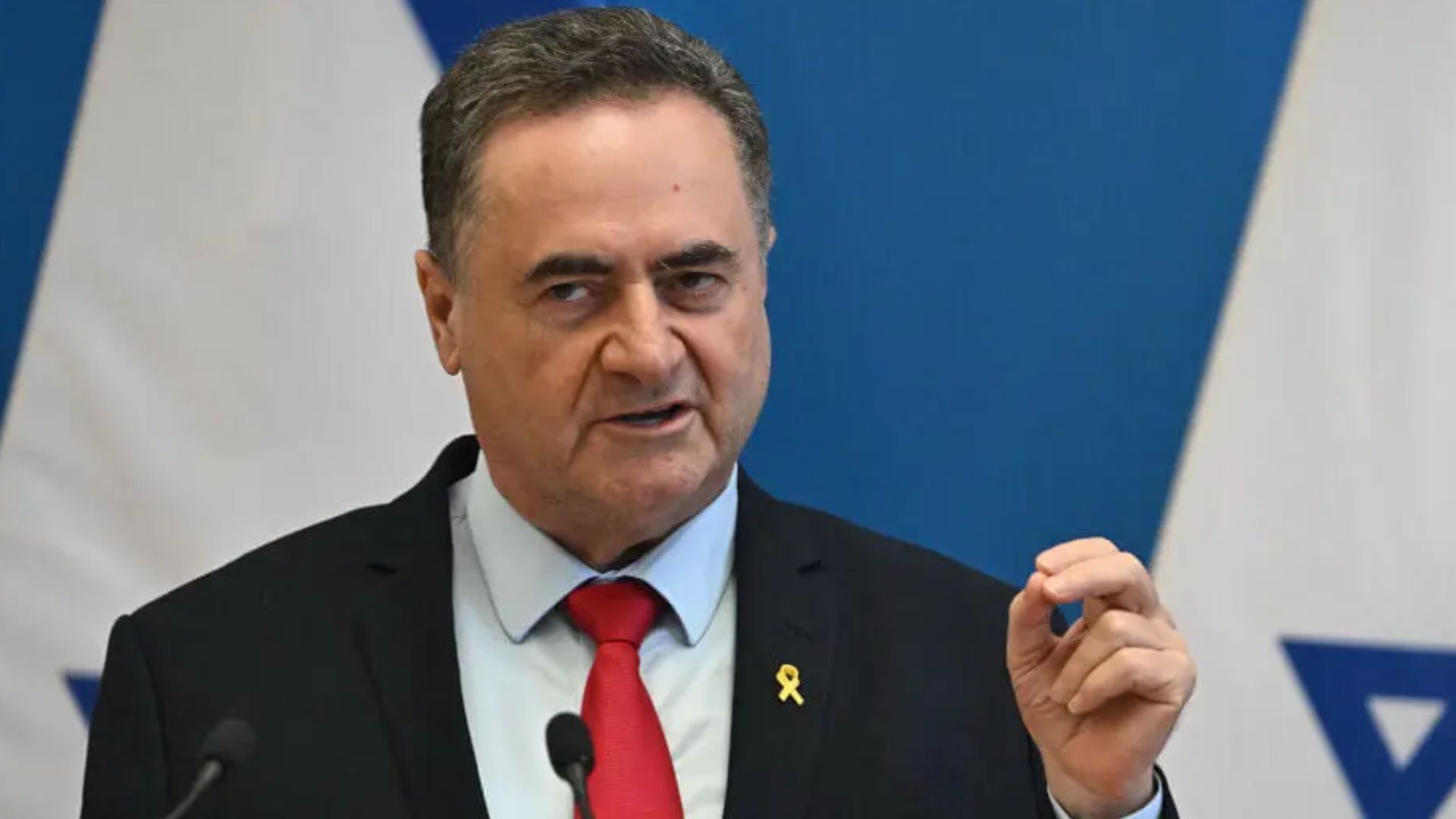

Tensions in West Asia remain high after Israel’s Defence Minister, Israel Katz, said Israeli forces would remain in southern Lebanon, a position that could complicate ongoing diplomatic efforts involving Iran and the United States.
Speaking to an Israeli media outlet, Katz made it clear that Israel has no plans to pull its troops out of the region. His comments echoed earlier statements from Israeli Prime Minister Benjamin Netanyahu, who has also opposed a withdrawal from southern Lebanon.
“The IDF is prepared … and we are not retreating. We announced that in any case we are not withdrawing, and as of this moment – and this is a political achievement – there is no American demand for Israel to withdraw from Lebanon,” Katz said.
Comments Come During Fragile Iran-US Peace Process
Katz’s remarks come at a sensitive moment for regional diplomacy. Last week, Iran and the United States signed a memorandum of understanding aimed at extending a fragile ceasefire and launching 60 days of negotiations designed to achieve a broader and more lasting peace agreement.
The talks represent one of the most significant diplomatic efforts in the region in recent months. However, several unresolved issues continue to threaten progress, including the ongoing conflict in Lebanon.
Iran has repeatedly argued that peace efforts cannot succeed unless Israel ends its military operations in southern Lebanon and withdraws its forces from the area.
Lebanon Remains a Major Obstacle
The situation in Lebanon has emerged as one of the biggest challenges facing the Iran-US negotiations. Israel currently controls large areas of southern Lebanon, describing the territory as a "security zone" intended to protect its borders from attacks.
Iran has strongly opposed the continued Israeli military presence and has linked any broader regional settlement to developments in Lebanon. The issue became particularly sensitive when Tehran warned it could consider closing the Strait of Hormuz if tensions continued to escalate.
Trump Optimistic About Talks
Despite the disagreements, US President Donald Trump expressed confidence about the negotiations on Wednesday. Trump described the discussions in positive terms and said Iran was “being very nice” and “agreeing to everything that I want”.
However, officials from both countries continue to interpret the negotiations differently, especially regarding the future of Lebanon and Israel’s military presence there.
Israel and Lebanon Hold Separate Talks
At the same time, Israel and Lebanon are participating in separate negotiations mediated by the United States. One of the primary goals of those talks is to create a framework for an eventual Israeli withdrawal from Lebanese territory.
Israel has proposed a gradual approach. Under that plan, Israeli forces would slowly transfer control of occupied areas to the Lebanese army. Lebanese troops would then be responsible for preventing the return of Hezbollah fighters to those regions.
Hezbollah Not Included in Negotiations
A major challenge facing the talks is the absence of Hezbollah. The powerful Lebanese group is not participating in the negotiations between Israel and Lebanon, raising questions about how effective any agreement could be.
Without Hezbollah's direct involvement, analysts remain uncertain whether any future arrangement can guarantee long-term stability in southern Lebanon. Meanwhile, Iran continues to connect the issue directly to broader regional peace efforts.
Iran Links Lebanon Ceasefire to Wider Regional Stability
Iranian leaders have repeatedly emphasized that the conflict in Lebanon cannot be separated from wider negotiations involving Iran and the United States. Speaking on Wednesday, Iran’s parliamentary speaker Mohammad Bagher Ghalibaf reinforced that position.
“For us, a ceasefire in Lebanon is as important as a ceasefire in Iran and, further, an end to the war in Lebanon is as important as an end to the war in Iran,” Ghalibaf said.
Uncertainty Continues Over Future of Negotiations
Despite ongoing diplomatic efforts, the future of the peace process remains uncertain. Israel insists it will maintain its military presence in southern Lebanon, while Iran continues to demand a withdrawal as part of any broader regional settlement.
With Israel-Lebanon negotiations still underway, Iran-US talks continuing, and Hezbollah remaining outside the process, the issue of southern Lebanon remains unresolved and could become one of the biggest tests facing regional peace efforts in the coming weeks.