

Tensions between Iran and the United States have escalated sharply after Tehran warned it could disrupt oil and gas exports across West Asia following Washington's decision to restore a naval blockade on Iranian ports. The warning marks one of Iran's strongest responses yet and raises concerns over the security of global energy supplies and financial markets.
Iran Warns Oil and Gas Exports Could Be Disrupted Across West Asia
The warning came from Iran's Islamic Revolutionary Guard Corps (IRGC), which said energy exports from the region would continue "either for everyone or for no one." The statement reflects Tehran's long-standing position that if its own oil exports are blocked, neighbouring Gulf countries should also face disruptions. The threat has increased concerns about the stability of one of the world's most important energy-producing regions.
Why the US Restored the Naval Blockade on Iran
The latest escalation began after the United States reinstated a naval blockade on Iranian ports. Washington accused Iran of continuing attacks on commercial ships passing through the Strait of Hormuz despite previous diplomatic efforts to ease tensions. The renewed blockade is part of Washington's strategy to increase economic and military pressure on Tehran.
US Military Launches Fresh Airstrikes Across Iran
Alongside the blockade, the United States intensified its military operations.The US Central Command (CENTCOM) said it carried out dozens of overnight airstrikes before launching additional attacks during the day on Wednesday. Within 17 hours of restoring the blockade, US forces intercepted and redirected two commercial vessels attempting to reach Iranian ports.
US Targets Greater Tunb Island and Military Facilities
One of the main targets was Greater Tunb Island, a strategically important island overlooking the Strait of Hormuz. US officials said they struck Iranian missile systems and air defence installations on the island to reduce Tehran's ability to threaten commercial shipping.
American forces also reportedly attacked facilities belonging to Iran's 388th Mechanized Infantry Brigade in Sistan and Baluchestan province. Iranian authorities said several soldiers were killed and injured. Government officials also reported that more than 30 people had died in recent days, while hundreds were wounded during the latest attacks.
Donald Trump Warns Iran of More Military Action
US President Donald Trump warned that further strikes could follow unless Iran agreed to resume negotiations. He suggested that future attacks could target critical infrastructure, including bridges and power facilities.
Iran Continues Missile and Drone Attacks on Gulf States
Iran continued missile and drone attacks against Gulf countries that host American military bases. Missile warning systems were activated in Bahrain and Kuwait during the latest attacks. Jordan also confirmed that it intercepted multiple Iranian missiles before they reached their targets.
Why the Strait of Hormuz Is Critical to Global Energy Supplies
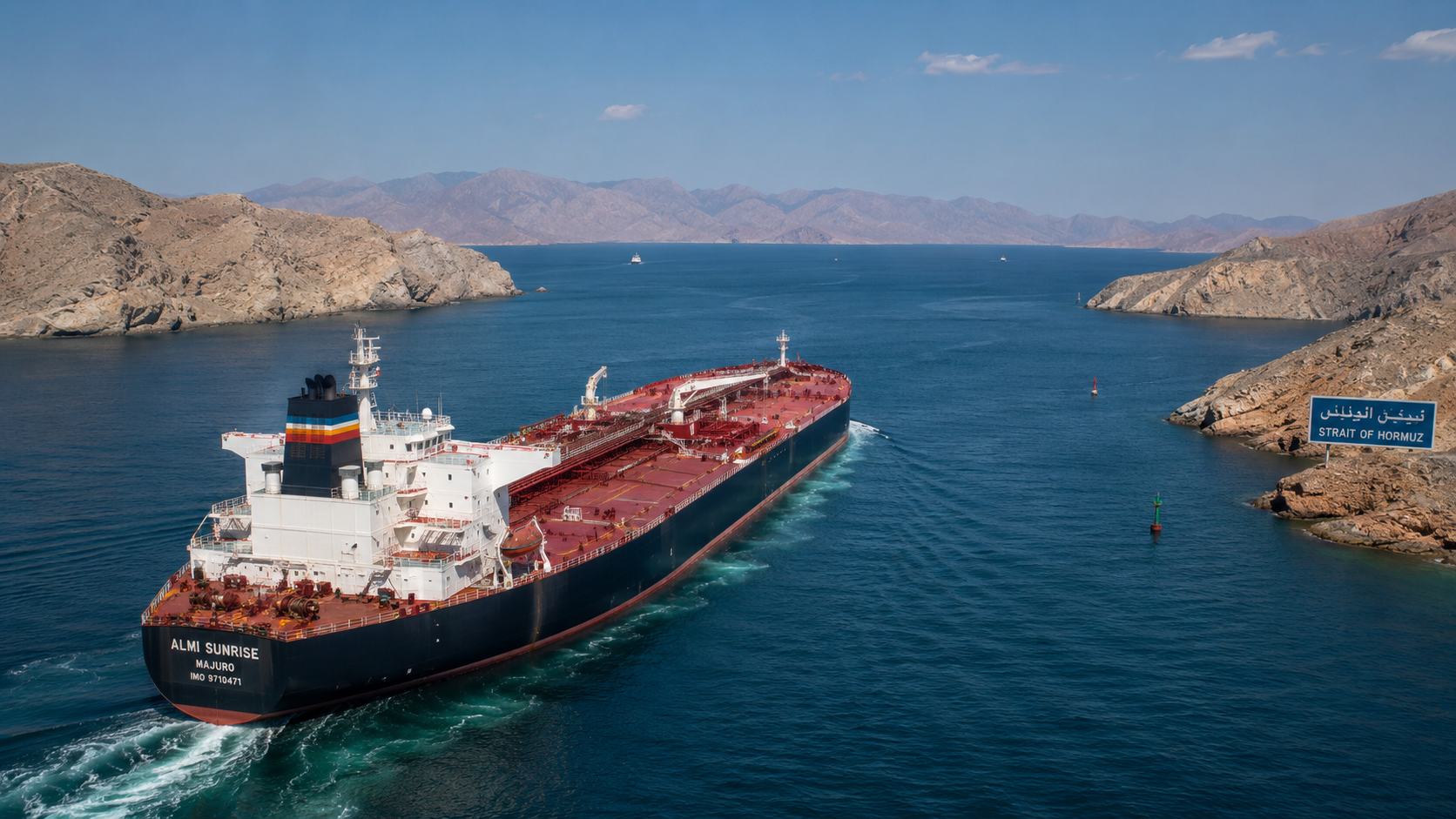
The Strait of Hormuz remains the centre of the current confrontation. Around one-fifth of the world's oil and liquefied natural gas (LNG) supplies pass through this narrow waterway, making it one of the world's most important energy shipping routes. Since diplomatic talks between Washington and Tehran collapsed, Iran has increased attacks on vessels using a US-supervised shipping corridor near Oman, leading to repeated military confrontations.
How the US Naval Blockade Increases Pressure on Iran
Instead of trying to seize full control of the Strait of Hormuz, the United States has chosen to tighten pressure through a naval blockade. Analysts believe this strategy allows Washington to weaken Iran while avoiding the massive military resources needed to control the waterway directly.
Oil Prices Rise as Iran-US Conflict Escalates
The renewed conflict has already affected global energy markets. Brent crude oil prices have climbed above $85 per barrel, rising by more than 15 per cent since the confrontation resumed. Analysts at the International Monetary Fund (IMF) have warned that global oil markets now have much less spare production capacity, making them more vulnerable to prolonged disruptions.
Global Concerns Grow as Diplomatic Efforts Continue
Regional mediators continue efforts to bring Iran and the United States back to the negotiating table. However, with military operations expanding, shipping routes facing increasing risks, and Iran threatening wider disruption to regional energy exports, fears are growing that the confrontation could turn into a larger crisis with serious consequences for global energy security and financial markets.