
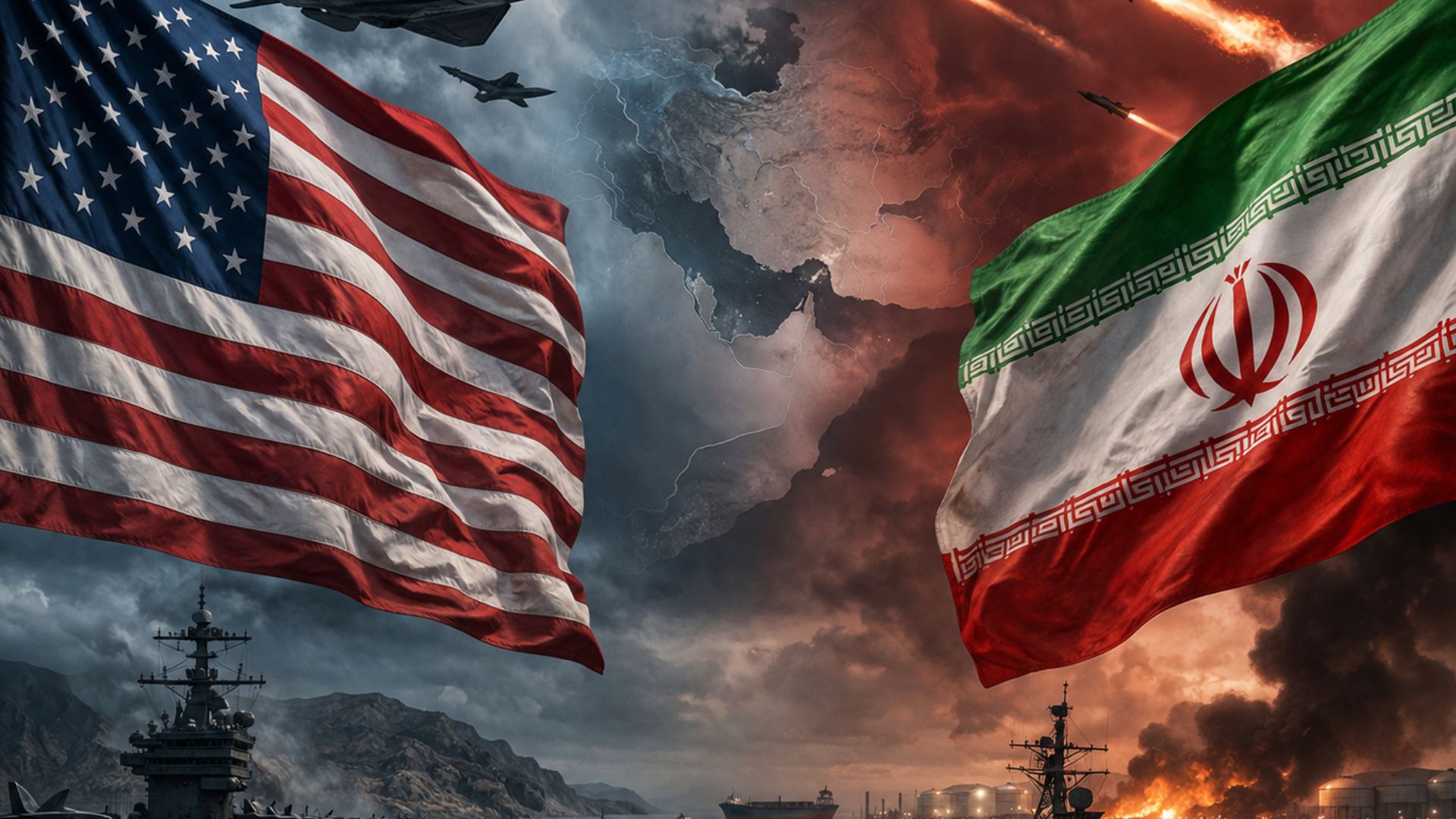

Iran’s Supreme Leader Mojtaba Khamenei warned the United States that it would face “unforgettable lessons” if it continued its military campaign against Iran. He also declared that US President Donald Trump’s signature on the recent memorandum of understanding (MoU) was “worthless and invalid.” Khamenei made the remarks in a statement broadcast on Iranian state television. He accused Washington of repeatedly violating the agreement signed between the two countries. His comments came after Iran announced that it was suspending its obligations under the MoU, saying the United States had already broken the deal through continued military strikes.
Iran Suspends MoU After Accusing US of Violating Agreement
Iran's Deputy Foreign Minister Kazem Gharibabadi said Tehran would no longer implement the memorandum because Washington had failed to honour its commitments. “The US has violated its commitments under the agreement and Iran is no longer implementing its obligations,” he said on state television. The two countries signed the MoU about a month ago. It aimed to stop hostilities and create a framework for talks on the Strait of Hormuz, sanctions relief and Iran’s nuclear programme.
US and Iran Exchange Fresh Military Strikes
The latest statements came as both countries launched another round of attacks. US Central Command (CENTCOM) said American forces carried out a seventh consecutive night of airstrikes. According to CENTCOM, the strikes targeted surveillance sites, military logistics infrastructure, underground weapons storage facilities and maritime assets. Iran also warned that countries hosting US military bases could face retaliation if their territory was used to launch attacks against Iran.
Regional Tensions Spread Across the Gulf
The conflict continued to spread across the Gulf region. Kuwait reported damage to an oil facility and a water desalination plant after Iranian attacks. The strikes injured several people and sparked fires at multiple locations.
Iraq said it intercepted attack drones over Irbil. Jordan reported shooting down Iranian missiles. Bahrain activated air raid sirens as its air defence systems responded to incoming threats. The Gulf Cooperation Council condemned attacks on civilian infrastructure and accused Iran of threatening regional security.
US Airstrikes Damage Iranian Infrastructure
Iranian media reported that US airstrikes damaged electricity and desalination facilities in Hormozgan province. The affected infrastructure supplies essential services to around 10,000 people. Authorities also reported damage to bridges, highways and transport routes leading to Bandar Abbas, Iran's main port near the Strait of Hormuz. Iran's Energy Ministry acknowledged attacks on power infrastructure for the first time. It urged residents in southern provinces to reduce electricity consumption. Iranian officials said US strikes over the past three weeks have killed at least 50 people and injured more than 500 others.
Strait of Hormuz Remains the Centre of the Conflict
The Strait of Hormuz remains the main flashpoint in the ongoing conflict. Iran has tightened its control over the strategic waterway. The move has reduced commercial shipping and pushed global oil prices higher. Tehran insists that the Strait should remain under its control, while the United States continues efforts to weaken Iran’s ability to disrupt maritime traffic.
Trump Vows to Maintain Pressure on Iran
US President Donald Trump has renewed his threat to target Iranian infrastructure as the conflict continues. He has also pledged to maintain pressure on Tehran despite growing calls within the United States to avoid a prolonged military conflict in the Middle East.