
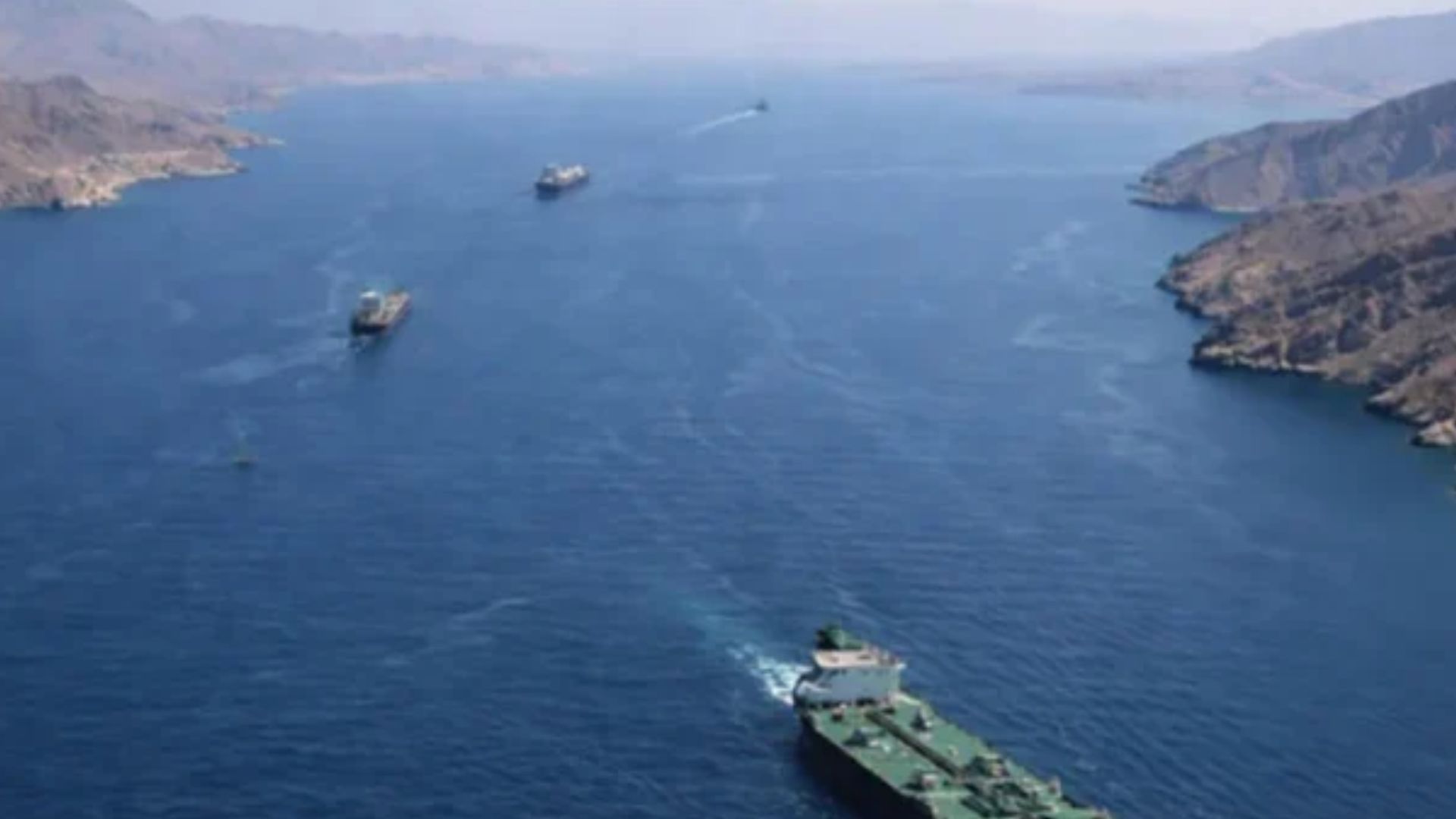

Iran and Oman have reached an important understanding on designated shipping routes through the Strait of Hormuz, marking a potential step towards restoring stability in one of the world’s most important maritime energy routes.
The two countries have agreed in principle on specific entry and exit corridors for commercial vessels. The arrangement is designed to protect the territorial rights of both nations while allowing commercial ships to move through the strategic waterway more safely.
Technical discussions are still underway, and Tehran and Muscat are yet to issue a formal joint statement.
Iran and Oman Plan Separate Shipping Lanes
Under the proposed arrangement, Iran would supervise commercial vessels entering the waterway, while Oman would oversee ships travelling in the opposite direction.
The two sides have planned dedicated routes to reduce the risk of collisions and prevent security-related incidents.
The framework was negotiated directly between Tehran and Muscat. Both countries are seeking to address the prolonged disruption to maritime traffic without giving up their claims over their respective territorial waters.
Technical Talks Continue
Officials from both countries are still working on the details of the agreement. The technical teams are discussing operational procedures, communication systems and environmental protection measures.
A joint declaration is expected only after these issues are finalised.
The planned shipping corridors could provide a more organised system for commercial vessels, but the agreement does not yet amount to a complete reopening of the waterway.
Reopening Depends on US Actions
Iran has made it clear that establishing shipping routes alone will not immediately restore unrestricted international traffic through the Strait of Hormuz.
Tehran has linked the full resumption of commercial navigation to the wider geopolitical situation.
Iran is demanding an end to what it describes as US naval blockades, military threats and economic sanctions before normal shipping can fully resume.
Until those conditions are addressed, the newly established routes are expected to remain under close monitoring.
Strait of Hormuz Is Vital to Global Energy Supply
The Strait of Hormuz is one of the world’s most important energy chokepoints.
Around 20 per cent of global petroleum supplies pass through the narrow waterway. Large quantities of liquefied natural gas also move through the strait.
Because of its importance, any disruption can quickly affect international energy markets.
Shipping Disruptions Push Up Energy Costs
Months of heightened tensions and interruptions to maritime traffic have already affected global energy markets.
Crude oil prices have risen sharply during periods of uncertainty. At the same time, shipping companies have faced higher war-risk insurance premiums because of the security risks associated with operating in the region.
The uncertainty has therefore affected not only vessels travelling through the waterway but also energy consumers and businesses worldwide.
Iran-Oman Framework Offers Diplomatic Opening
The agreement between Iran and Oman provides one of the clearest indications so far that a diplomatic solution to the shipping crisis may be possible.
The proposed corridors could help improve maritime coordination and reduce the risk of accidents or confrontations between commercial vessels.
However, lasting stability will depend on developments beyond the two coastal countries. Wider negotiations involving the United States and other regional and international players are likely to determine whether the Strait of Hormuz can eventually return to normal commercial operations.
For now, the Iran-Oman framework represents a significant step towards restoring order, but a complete reopening of the vital waterway remains dependent on broader geopolitical developments.