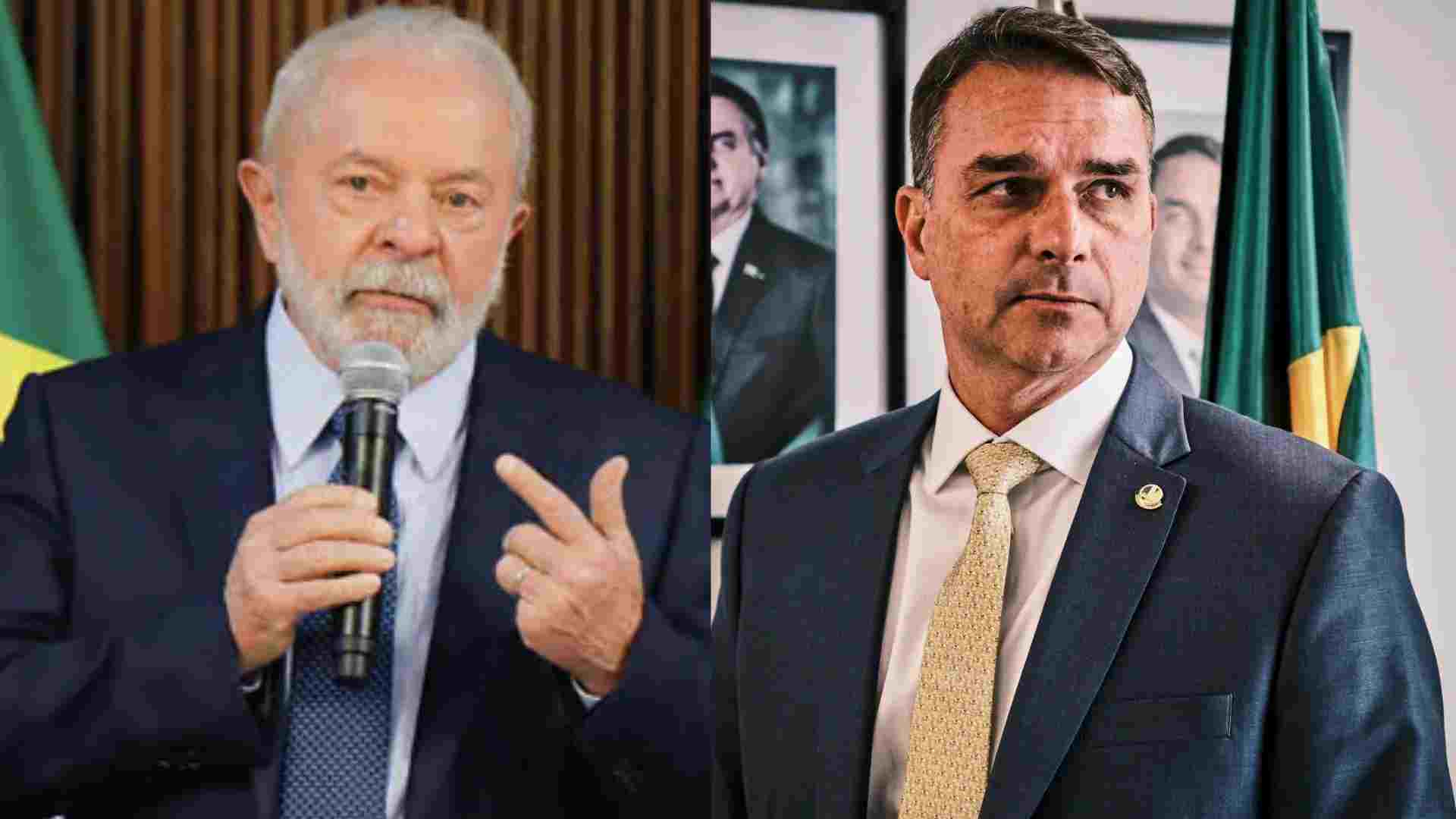
Brazilian President Luiz Inácio Lula da Silva and right-wing Senator Flávio Bolsonaro made their final campaign efforts on Saturday, one day before the country's presidential runoff election. Both candidates focused on attracting undecided voters as opinion polls indicated a closely contested race.
Bolsonaro maintained strong momentum throughout the campaign, with a CNT/MDA poll released on Saturday giving him a 1.3-percentage-point lead over Lula. The incumbent president is seeking a fourth non-consecutive term in office, while Bolsonaro is attempting to secure the presidency amid growing political divisions in the country.
Lula Rallies Supporters in Rio de Janeiro and São Paulo
Lula began the final day of his campaign with a march along Rio de Janeiro's famous Copacabana Beach. Thousands of supporters joined the 80-year-old leftist leader as he sought to strengthen his position ahead of Sunday's crucial vote.
Addressing journalists before the rally, Lula expressed confidence in his chances of winning and argued that Brazilians wanted progress rather than a return to the past.
"We're going to win the election for one simple reason: the people indeed want change, (but) they want to move forward. They don't want to go backwards," Lula told journalists before the rally.
The president later travelled to São Paulo, where he led another campaign march along Paulista Avenue, a prominent location for political demonstrations in Brazil's largest city.
The rally attracted enthusiastic supporters who expressed optimism about Lula's campaign. Gisele Passos, a 61-year-old businesswoman attending the gathering, highlighted the atmosphere and the message she believed it represented for the country.
"It's so exciting to see everyone here. This is the kind of energy we want for Brazil. Brazil is ours," she said.
Lula, a former trade union leader who first became president in 2003, is now 80 years old. His latest campaign has taken on added significance, as many observers expect this to be his final attempt to secure another presidential term.
Flávio Bolsonaro Targets Undecided Voters in Key Battleground State
Meanwhile, Flávio Bolsonaro stepped up his campaign efforts in Belo Horizonte, the capital of Minas Gerais, by joining a motorcycle rally. The state is considered particularly important because of its historical role in Brazilian presidential elections.
Since Brazil returned to democracy in the 1980s, no presidential candidate has won the election without carrying Minas Gerais. This makes the state a crucial battleground for both campaigns as they seek to secure support before voting begins.
Bolsonaro had finished the first round of voting with a lead of approximately five percentage points. However, the latest polling suggested that the contest had tightened, making undecided voters increasingly important to the final outcome.
In a video shared on social media, the senator urged Brazilians to recognise the importance of the election and its potential long-term consequences.
"The time is almost here. There are only a few hours left before we shape the future of our nation for the next 30 or 40 years," the lawmaker said.
Flávio Bolsonaro is the eldest son of former Brazilian President Jair Bolsonaro. He was first endorsed by his father as a presidential candidate last December and has represented Rio de Janeiro in the Senate since 2019.
The younger Bolsonaro also concluded part of his campaign activities in his home state of Rio de Janeiro, seeking to consolidate his support base before Sunday's vote.
His candidacy comes against the backdrop of his father's legal troubles. Jair Bolsonaro was sentenced to more than 27 years in prison for plotting a coup following his defeat to Lula in the 2022 presidential election.
Final Debate Focuses on Living Costs and Personal Attacks
The candidates' final campaign activities came a day after they faced each other in a televised debate on TV Globo, Brazil's main free-to-air television network.
During the debate, Lula and Flávio Bolsonaro exchanged sharp criticism and clashed over the rising cost of living, an issue that remains important to voters. Both candidates also launched personal attacks against each other as they attempted to strengthen their positions before election day.
With the two candidates remaining close in the polls, the final campaign rallies represented a last opportunity to persuade undecided voters and mobilise supporters.
Brazil now faces a closely watched presidential runoff, with Sunday's result set to determine the country's political direction for the coming years.