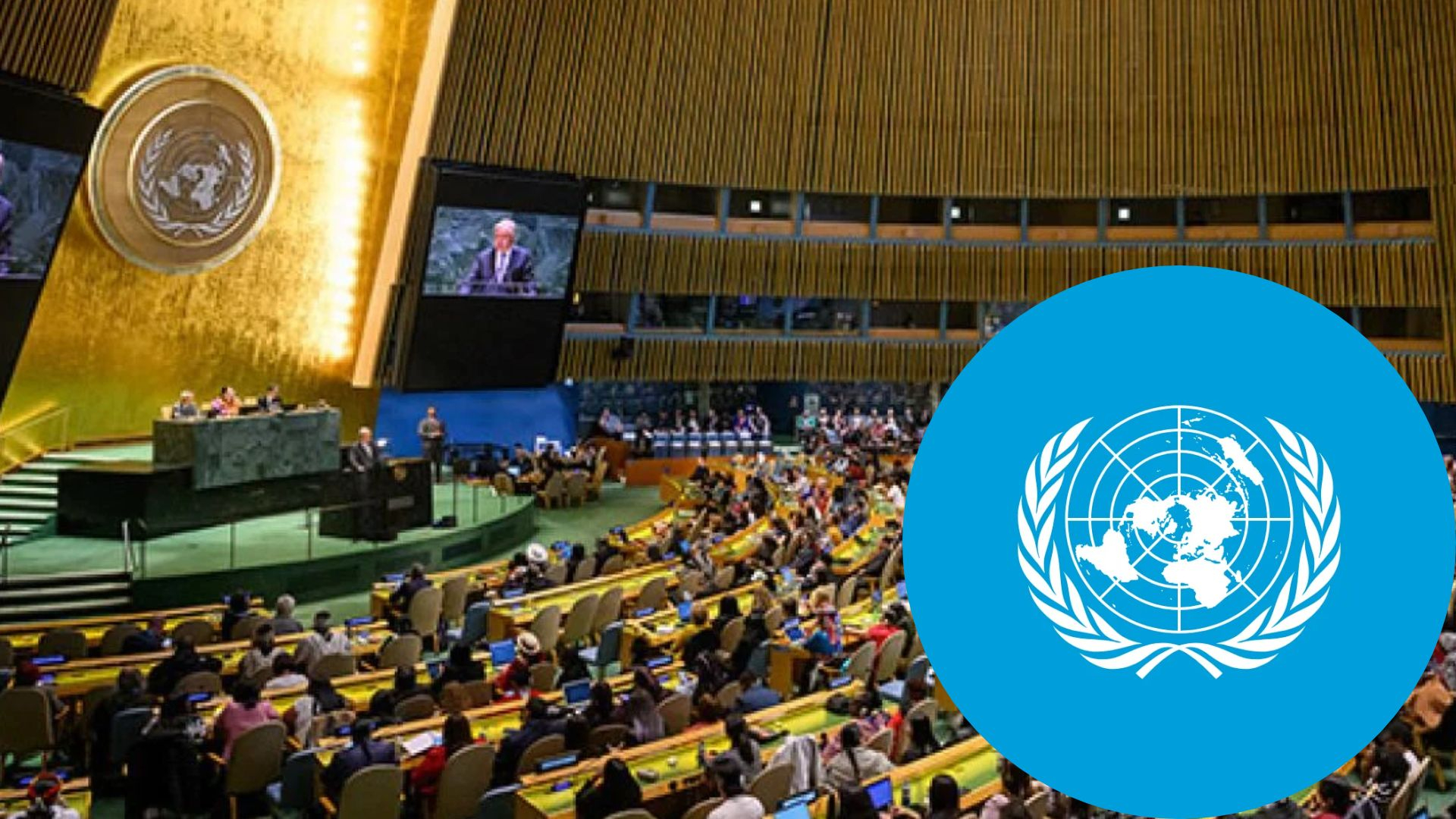
The United Nations has warned that growing tensions among major powers are weakening international cooperation and making it harder to resolve
conflicts. The organisation has also raised concerns about the veto power of the five permanent members of the UN Security Council, which can block collective action even when most members support a resolution.
The UN's
World Social Report 2026 highlights how geopolitical competition is weakening international institutions and diverting resources from development programmes. It calls for reforms to make global decision-making more representative and urges countries to strengthen cooperation on debt, technology, climate change and social investment.
The report identifies a widening gap between the world's need for collective action and its ability to respond effectively to shared challenges.
Although the rise of multiple centres of power could create opportunities for wider cooperation, competition for strategic influence is making international coordination more difficult. As countries prioritise their own geopolitical interests, efforts to address global problems face growing obstacles.
Veto Power and Geopolitical Rivalries Weaken UN Action
The report identifies the UN Security Council's decision-making system as a major barrier to effective international action, particularly during conflicts.
The Council has five permanent members: China, France, Russia, the United Kingdom and the United States. Each member holds veto power, which allows it to block substantive resolutions regardless of the level of support among other Council members.
This system has repeatedly raised concerns about the Council's ability to respond to international crises. Deadlocks have strengthened calls to reform the institution and expand its membership.
The UN secretary-general has supported changes that would give underrepresented regions a greater voice in global decision-making. These include Africa, Latin America and the Caribbean, and the Asia-Pacific region.
The report also describes how geopolitical influence has spread across a larger number of countries. The number of countries that exercise substantial influence over another country has risen from six in the 1970s to 34 today.
Relations between neighbouring countries have also deteriorated. In 2024-25, 59 countries reported worsening relations with their neighbours, while only 19 reported improvements, according to the report.
As competition intensifies, countries are increasingly forming smaller coalitions to protect their interests and pursue common goals. However, the report warns that these arrangements can weaken broader multilateral institutions and make it harder for the international community to respond collectively to major challenges.
Rising Military Spending Puts Pressure on Development
Growing geopolitical tensions are also changing government spending priorities, with defence budgets taking up a larger share of national resources. More than half of all countries increased defence spending as a share of gross domestic product (GDP) between 2020 and 2024. The report also states that all nine nuclear-armed countries have expanded their arsenals since 2022.
The UN warns that military competition and armed conflicts can disrupt trade, damage supply chains and divert public funds away from essential development needs.
Governments facing security threats may give greater priority to defence spending, leaving fewer resources for poverty reduction, healthcare, education and social protection.
Low-income countries and conflict-affected economies face particularly serious consequences. Violence damages infrastructure, discourages investment and weakens public institutions. Conflict also forces people to leave their homes and disrupts their access to education, healthcare and employment.
These problems can make recovery more difficult and deepen existing inequalities. Vulnerable communities often face the greatest barriers to rebuilding their lives after conflict.
At the same time, rapid technological change and climate pressures are creating additional challenges for governments. Many developing countries lack affordable financing and adequate digital infrastructure, limiting their ability to respond to these changes.
UN Calls for Stronger Cooperation on Debt and Technology
The
World Social Report 2026 outlines three broad priorities to strengthen international cooperation and support inclusive development.
First, countries need better access to funding for social programmes. The report calls for stronger tax cooperation and debt relief measures to help governments finance essential services. It also stresses the need to ease debt pressures and create more opportunities for investment in development.
Second, governments must widen access to technology and digital infrastructure. Developing countries need better access to digital services, skills and technological opportunities to participate more fully in the global economy.
Third, global institutions need reforms to improve representation and accountability. The report argues that international organisations must give countries a fairer role in decision-making and strengthen their ability to address shared challenges.
The UN also warns that economic, digital and energy transitions are moving quickly, but billions of people still lack access to the jobs, skills, public services and social protections needed to benefit from these changes.
Without stronger international support, developing countries risk falling further behind as wealthier nations gain greater access to technology, investment and new economic opportunities.
UN Warns Against Deepening Global Inequalities
The report stresses that countries must strengthen multilateral cooperation to address conflicts, economic pressures and climate-related challenges.
It argues that international institutions need to respond more effectively to the needs of developing countries and ensure that geopolitical competition does not undermine progress on social and economic development.
The UN's warning highlights the growing difficulty of securing collective action at a time when global challenges increasingly cross national borders.
The report calls for renewed international efforts to improve access to financing, expand technological opportunities and make global institutions more inclusive. It stresses that governments must work together to ensure that economic and technological progress benefits a wider share of the world's population rather than deepening existing inequalities.
Stay tuned with JUSZNEWS for the latest updates on international affairs and global developments.