
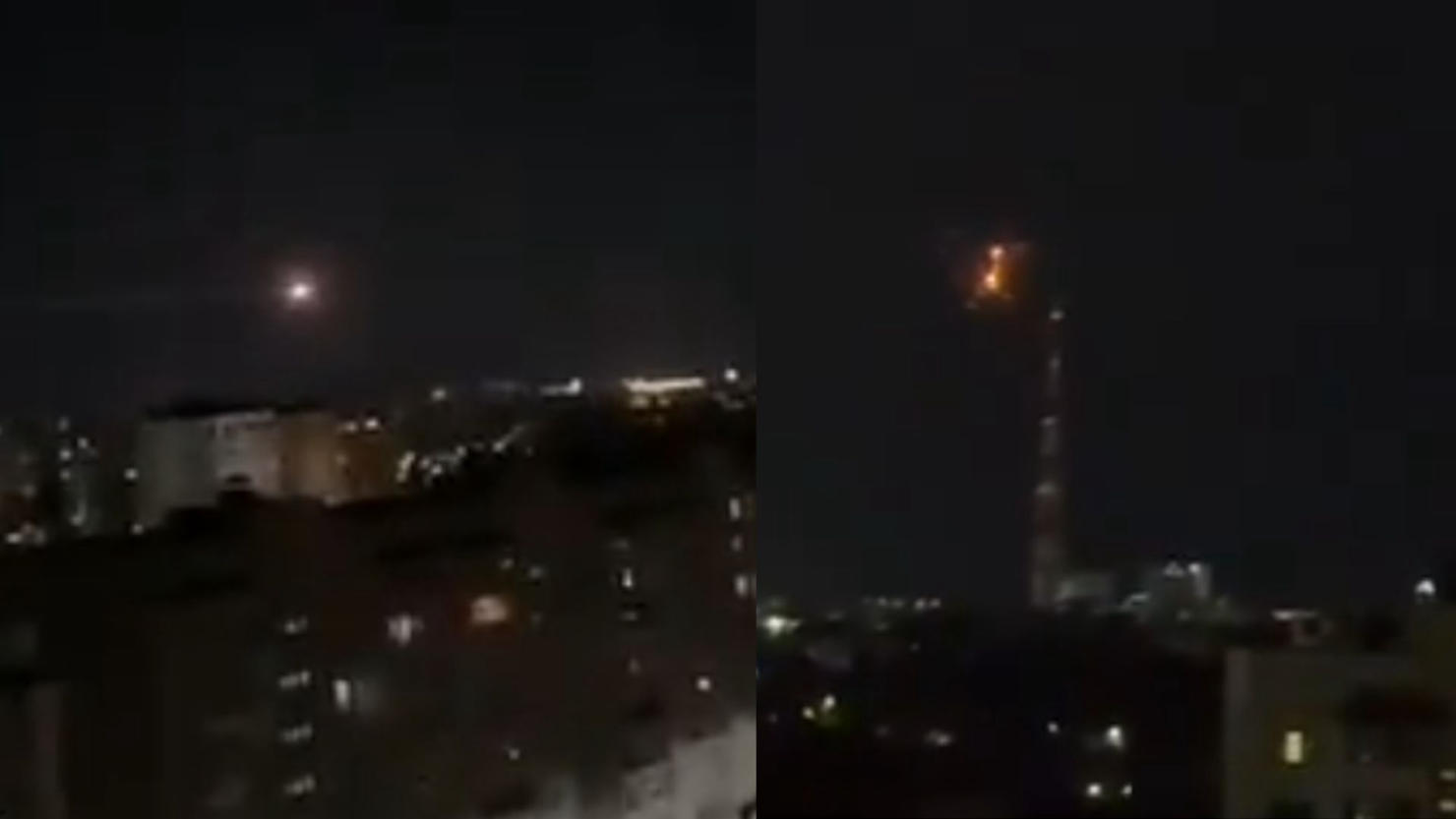

Russia announced on Sunday that its air defence forces shot down 361 Ukrainian drones overnight. This was one of the largest aerial attacks since the war began. In addition, Russian forces destroyed several guided bombs and a US-made HIMARS missile during the massive assault.
Meanwhile, the strikes targeted multiple regions, including a major hit on the Kirishi oil refinery in northwest Russia. This refinery is one of the country’s largest energy processing facilities. As a result of the strike, a fire broke out, but emergency crews quickly contained it. Authorities confirmed that there were no casualties.
Ukraine Intensifies Attacks on Energy Infrastructure
Recently, Ukraine has stepped up its attacks on Russian energy facilities. These strikes have hit refineries, storage depots, and pipelines. Consequently, Moscow has been forced to strengthen its air defences deep inside its territory.
Furthermore, Ukraine’s goal is to weaken Russia’s war economy by disrupting the supply of fuel and resources. The refinery attack reflects Kyiv’s growing focus on crippling Moscow’s military logistics.
Drone Threat Spills Across Borders
As drone warfare escalates, tensions have spread beyond Ukraine’s borders. Russia accused Ukraine of expanding drone operations near the Baltic Sea. However, Ukraine defended its actions, arguing they are necessary to disrupt Russian troop movements.
On Saturday, Romania reported a drone incursion into its airspace during Russian strikes on Ukrainian infrastructure. In response, the Romanian air force scrambled two F-16 fighter jets to monitor the threat. The jets tracked the drone near Chilia Veche, but later lost it from radar as it moved away.
At the same time, Poland responded militarily to Russian drone activity near its border. Earlier this week, Poland said nearly 20 Russian drones entered its airspace overnight, which sparked alarm across NATO.
As a result, France, Germany, and Sweden pledged to help Poland defend its skies by providing additional resources and coordination.
Zelenskyy Warns of Escalation
Ukrainian President Volodymyr Zelenskyy warned that Russia is deliberately expanding the war. “Today, Romania scrambled combat aircraft because of a Russian drone in its airspace,” Zelenskyy said. “Also today, Poland responded militarily to the threat of Russian attack drones.”
Moreover, he stressed that Russia’s military “knows exactly where their drones are headed.”
Zelenskyy urged NATO members to act quickly, calling for tougher sanctions and a collective defence system. “Do not wait for dozens of Shaheds and ballistic missiles before finally making decisions,” he said, referring to the Iranian-made drones Russia has been using.
Trump Calls for Unified Sanctions
Meanwhile, US President Donald Trump said he is ready to impose major sanctions on Russia, but only if all NATO nations act together.
“I am ready to do major sanctions on Russia when all NATO Nations have agreed, and started, to do the same thing, and when all NATO Nations STOP BUYING OIL FROM RUSSIA,” Trump posted on Truth Social.
Earlier this week, Trump suggested that the drone strike on Poland “might have been a mistake.” However, Polish Prime Minister Donald Tusk quickly rejected this claim, insisting the incident was deliberate and extremely dangerous.
Additionally, US Secretary of State Marco Rubio warned that if the strike was intentional, it would be “highly escalatory.”
Growing Fears of Wider War
As a result of these developments, the US has intensified its calls for NATO allies to tighten energy sanctions. The goal is to cut off Russia’s war funding and force an end to the conflict.
However, Russia continues to expand its drone operations, striking deeper into Ukraine and near NATO borders. Consequently, NATO members fear the war could spiral into a direct confrontation between Russia and the alliance.