
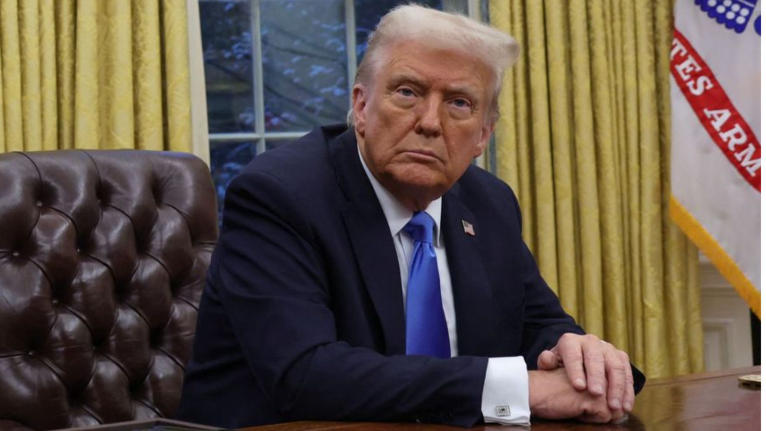

The United States government officially shutdown on Wednesday. This marked the first shutdown in six years and the second during Donald Trump’s presidency.
Senate Vote Falls Short
On Tuesday, the Senate voted 55-45 on a bill to extend federal funding for seven weeks. The measure needed 60 votes to break a filibuster but failed. The deadlock came as Democrats pushed for healthcare demands and warned they would not back down unless President Trump responded.
Shutdown Procedures Begin
Federal funding expired at midnight local time. Soon after, the Trump administration ordered agencies to activate shutdown protocols. This meant suspending certain operations and furloughing thousands of workers.
Shutdowns are rare but have become more frequent in recent decades. Earlier in March, Congress nearly faced another crisis. At that time, lawmakers passed a bill just hours before the deadline. Although funding briefly lapsed until Trump signed the bill, government work continued with little disruption.
Previous Shutdown Under Trump
This was not the first shutdown under Trump. The longest shutdown in US history also took place during his presidency.
That shutdown began in December 2018. It was partial because some agencies had funding approved while others did not. As a result, operations stopped in many departments.
The Congressional Budget Office estimated that around 800,000 federal employees were affected. Of them, about 300,000 were furloughed. They were not paid and were instructed to stay home.
Path to Ending the Shutdown
A shutdown can only end if Congress passes appropriations bills to fund government agencies. The President must then sign these bills into law. The President cannot end a shutdown on their own.
These bills follow the usual legislative process. Both the House and the Senate must approve them before they reach the President’s desk.
After Tuesday’s failure, the Senate is set to vote again on the same GOP funding plan on Wednesday.