
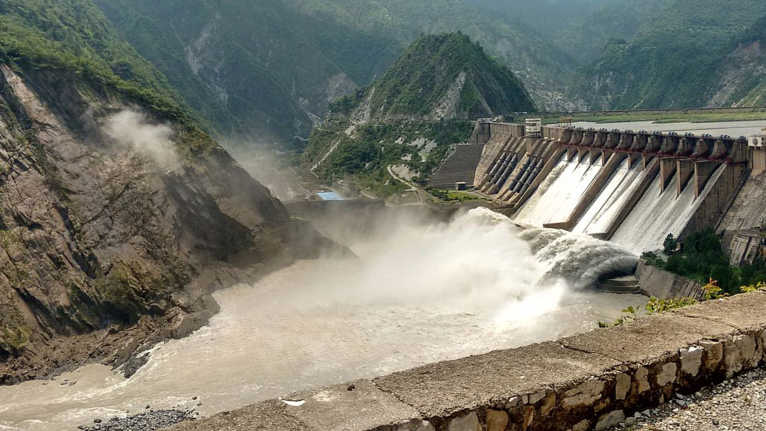

Pakistan may face more pressure on its water resources as India plans to stop the flow of excess water from the Ravi River. The situation comes at a time when Pakistan is already dealing with the suspension of the Indus Waters Treaty.
The change is linked to the nearing completion of the Shahpur Kandi Dam, located on the border of Jammu and Kashmir and Punjab. Officials expect the project to be ready by March 31.
For many years, extra water from the Ravi flowed into Pakistan because India lacked enough storage capacity. From April onward, this is likely to stop, which may further reduce water availability for Pakistan.
Project gains importance after tensions
The dam project has gained strategic importance after the Pahalgam terror attack. Narendra Modi blamed Pakistan-backed terrorism for the incident, while Islamabad denied any involvement.
After the attack on April 22 last year, India took strong measures against Pakistan. These included the suspension of the 1960 water-sharing treaty, which had governed river use between the two countries for decades.
Completion likely to impact water flow
The Shahpur Kandi project shows India’s intention to fully use its share of water from the eastern rivers. Once the dam becomes operational, the routine flow of surplus Ravi water into Pakistan will stop. This could add to Pakistan’s existing water challenges.
Jammu and Kashmir Water Resources Minister Javed Ahmed Rana confirmed the government’s position. He said, “Yes, excess water (from Ravi river) to Pakistan will be stopped. It has to be stopped," and explained that the project is very important for drought-affected Kathua and Samba districts.
When asked about the possible impact on Pakistan, he responded sharply, “Why are you bothered about Pakistan? They are a marginal presence. Let them stew in the problems of their own making."
Hydropower projects also moving forward
Since the Pahalgam attack in April 2025, India has continued work on four hydropower projects on the Chenab River in Jammu and Kashmir. These projects are expected to start operating around 2027–28.
India’s legal right over eastern rivers
India maintains that the Shahpur Kandi dam does not violate the treaty. The project lies outside its scope because India has full rights over the Ravi, which is one of the eastern rivers of the Indus river system.
Under the 1960 agreement, which was brokered by the World Bank, the six rivers were divided between the two countries. India received unrestricted access to the eastern rivers — Sutlej River, Beas River and Ravi. Pakistan was given rights to the western rivers — Indus, Jhelum and Chenab.
Despite this arrangement, surplus water from the eastern rivers continued to flow into Pakistan over the years.
Project revived after decades
The Shahpur Kandi barrage plan was revived after a gap of nearly four decades following intervention by the prime minister. On December 6, 2018, the Union Cabinet approved the project and provided central assistance of Rs 485.38 crore for its irrigation component.
Once completed, the dam will help irrigate large areas of farmland in Punjab and in the Kathua and Samba districts of Jammu and Kashmir.