
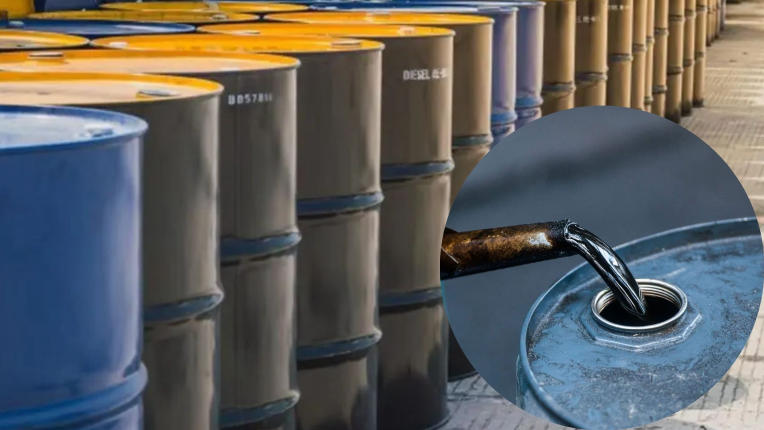

Oil prices jumped sharply at the start of the week. This rise came after US President Donald Trump issued a new ultimatum to Iran. At the same time, Iran warned it could shut down the vital Strait of Hormuz for an indefinite period. This situation has increased tensions in West Asia. It has also raised fears of a long-term disruption in global oil supply.
Brent crude, the global benchmark, rose by about 1.6 per cent. It crossed $113 per barrel in early Monday trading. Meanwhile, US West Texas Intermediate (WTI) increased nearly 2 per cent to around $100 per barrel. This sharp rise shows that geopolitical risks are once again driving global energy markets.
Ultimatum and Strong Warnings
The price spike followed a strong warning from Trump over the weekend. He said the United States would “obliterate” Iran’s power infrastructure if the Strait of Hormuz is not reopened within 48 hours. This route carries nearly 20 per cent of the world’s oil and gas supply.
In response, Iran took a firm position. It said it could completely close the waterway. It also warned that it would keep it shut until damaged infrastructure is rebuilt. In addition, Tehran warned it could target US and Israeli energy and communication assets in the region if any attack takes place.
This back-and-forth escalation comes as the conflict enters its fourth week. Military activities are increasing, and risks to key infrastructure are growing.
Supply Disruption Fears Grow
Concerns over oil supply have intensified. Shipments through the Strait of Hormuz have slowed significantly. As a result, global supply has tightened.
Oil prices have surged from about $70 per barrel in late February to over $110 now. Market experts say this situation reflects a worst-case scenario for global oil flow.
Traders are now expecting prolonged disruptions. They also see limited short-term alternatives to replace the lost supply.
Investment bank Goldman Sachs warned that high oil prices could continue until 2027 if supply problems and geopolitical tensions persist.
Impact Spreads Across Global Markets
The rise in crude oil prices is directly affecting fuel costs. In the United States, average gasoline prices have increased to around $3.94 per gallon. This is nearly one dollar higher since the conflict began.
Experts warn that prices may soon cross the $4 mark. Even if tensions ease, any price relief is likely to be slow.
Financial markets are also reacting negatively. US stock futures fell in early trading. Dow futures dropped about 0.6 per cent. Meanwhile, S&P 500 and Nasdaq futures declined between 0.6 and 0.8 per cent. This reflects growing caution among investors.
Economic Concerns Increase
US Treasury Secretary Scott Bessent acknowledged the pressure from rising energy prices. However, he suggested that Americans may accept “temporary elevated prices” if it helps achieve long-term geopolitical stability.
Still, economists remain concerned. They warn that prolonged high oil prices could increase global inflation. This could make it harder for central banks to manage their policies.
Import-dependent countries like India may face greater economic pressure. Rising energy costs could slow down growth and increase financial strain.