

Talks between the United States and Iran in Islamabad ended without any agreement after 21 hours of continuous negotiations. Both sides failed to reach a final deal despite long discussions.
Iran Blames US Demands for Breakdown
Iranian state media said the talks failed because of what it called “unreasonable” and “excessive” demands from the US side. Reports from Press TV highlighted that the main disagreements were over the Strait of Hormuz, nuclear rights, and other sensitive issues.
State broadcaster IRIB said the Iranian team held intense, round-the-clock talks to protect the country’s interests. However, it claimed that US demands blocked progress.
"The Iranian delegation negotiated continuously and intensively for 21 hours in order to protect the national interests of the Iranian people; despite various initiatives from the Iranian delegation, the unreasonable demands of the American side prevented the progress of the negotiations. Thus the negotiations ended," IRIB said on Telegram.
No Immediate Change in Strait of Hormuz
Iranian media indicated that there will be no change in the situation in the Strait of Hormuz unless the US agrees to what Tehran considers a “reasonable” deal. Tasnim news agency, quoting a source, said Iran is not in a hurry to resume talks. Another source told Fars News that the US tried to secure through negotiations what it could not achieve during the conflict, but Iran rejected what it described as “ambitious conditions.”
Key Issues Discussed During Talks
Esmaeil Baqaei, spokesperson for Iran’s foreign ministry, confirmed that no agreement was reached, although both sides exchanged several messages and proposals.
"In the past 24 hours, discussions were held on various dimensions of the main negotiation topics, including the Strait of Hormuz, the nuclear issue, war reparations, lifting of sanctions, and the complete end to the war against Iran and in the region," he wrote.
Rising Tensions in Strait of Hormuz
The statement from Iran came shortly after two US Navy destroyers passed through the Strait of Hormuz despite warnings from Tehran. This shows that tensions in the region remain high. Iran stressed that any future diplomatic success depends on the US showing seriousness and acting in good faith.
“The success of this diplomatic process depends on the seriousness and good faith of the opposing side, refraining from excessive demands and unlawful requests, and the acceptance of Iran's legitimate rights and interests.”
US Response: No Deal Yet, But Door Still Open
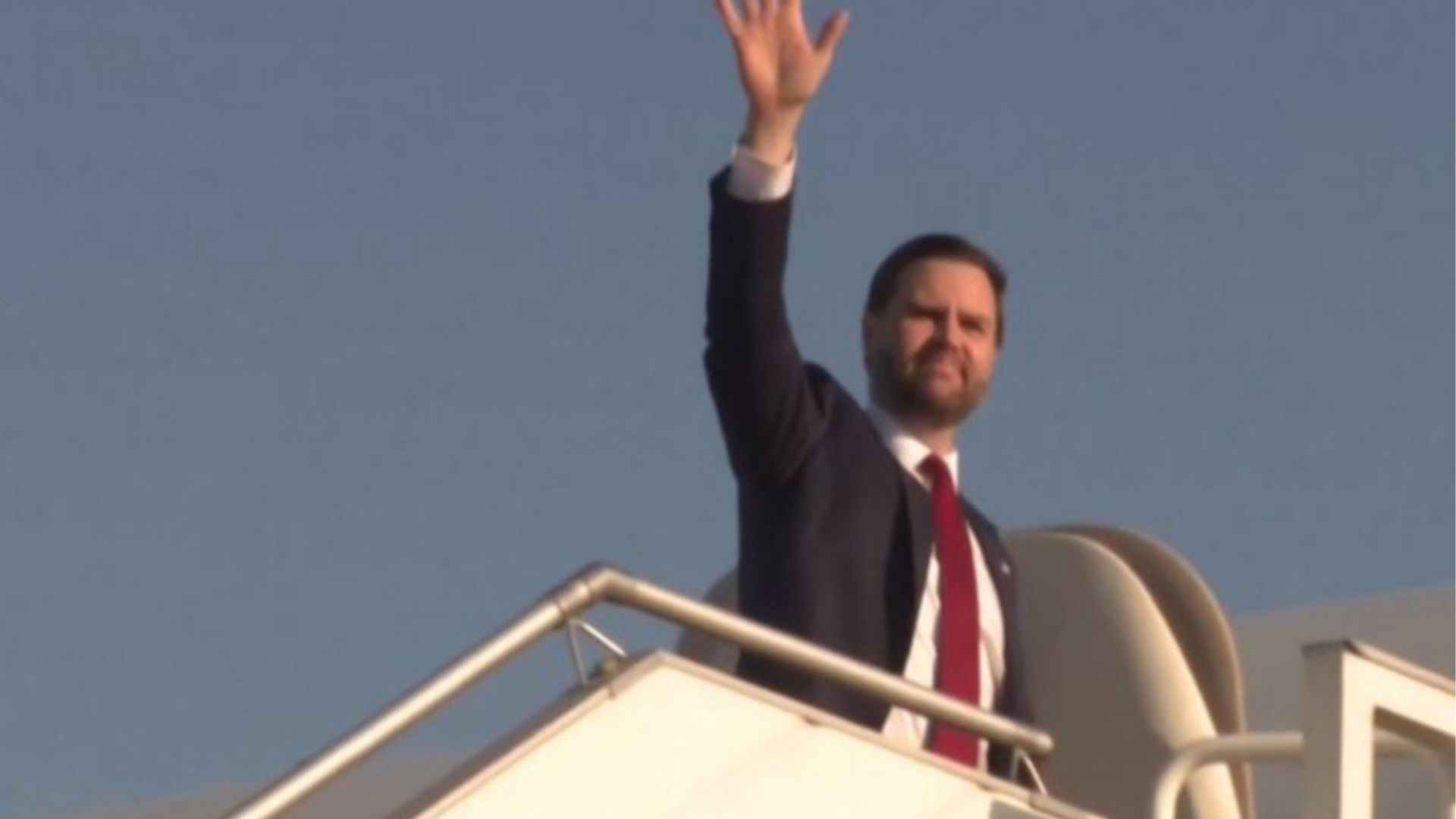
US Vice President JD Vance confirmed that his team left Pakistan without reaching an agreement. However, he suggested that there is still a chance if Iran accepts the US proposal.
"We've had a number of substance agreements with the Iranians- that is the good news. The bad news is that we have not reached an agreement. That is bad news for Iran, much more than it is bad news for the United States of America."
He added that both sides could not agree on key terms. "We go back to the United States having not come to an agreement", Vance said.
"We just could not get to a situation where the Iranians were willing to accept our terms." Vance also said the US had shown flexibility during the talks but still could not achieve progress. "We leave here with a very simple proposal- a method of understanding that is our final and best offer. We'll see if the Iranians accept it."