
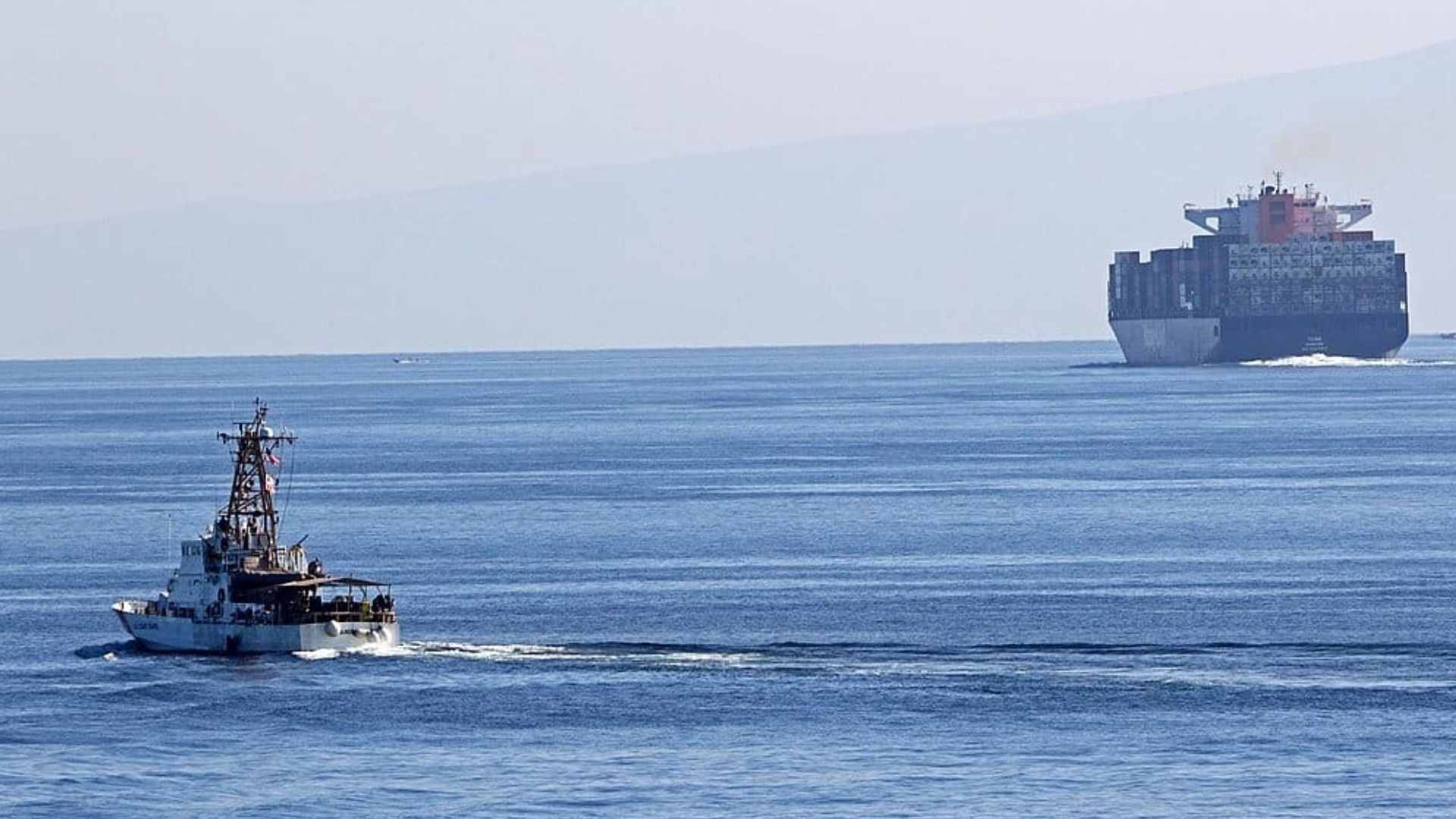

Iran has announced new regulations for all vessels traveling through the Strait of Hormuz, requiring ships to register in advance and obtain the necessary permits and insurance coverage before entering one of the world's most important energy shipping routes.
The measures were introduced on Friday by the newly established Persian Gulf Strait Authority (PGSA), a body created under the recent U.S.-Iran agreement designed to restore navigation through the strategic waterway after more than three months of conflict.
Ships Must Register 48 Hours Before Arrival
Under the new rules, vessels planning to transit the Strait of Hormuz must submit detailed transit requests at least 48 hours before reaching the area. The Persian Gulf Strait Authority announced the requirement in a statement posted on X.
“To avoid delays at the entrance or exit of the Strait of Hormuz, it is essential that transit requests, complete with all the required information, are submitted at least 48 hours prior to arriving at the strait area,” the Persian Gulf Strait Authority said on X. In addition to registration, ship operators must secure the required permits and insurance coverage before entering the waterway.
Iran Directs Vessels to Follow Designated Navigation Routes
Iranian authorities have instructed ships to use specific navigation corridors established for safe passage through the strait. Officials said parts of the waterway may still contain mines or other remnants left behind by the recent conflict, making it necessary for vessels to follow designated routes.
The authority warned shipowners that they would be held responsible if they fail to comply with the new regulations. “Failure to comply shall be the responsibility of the vessel owner,” the authority warned.
No Fees During the Initial 60-Day Period
Iranian officials said shipowners will not face any charges for registration, permits, insurance, or related services during the first 60 days of the new arrangement. The temporary waiver is part of the memorandum of understanding signed earlier this week between U.S. President Donald Trump and Iranian President Masoud Pezeshkian.
“During the 60-day period, tariffs for security, safety, and environmental services, as well as related Iranian insurances, will not be collected from shipowners and will be borne by the government of the Islamic Republic of Iran,” the authority said. Iran hopes the waiver will encourage commercial shipping to return to the route after months of disruption caused by the conflict.
Shop on Amazon : Mobile Accessories | Computer Accessories and Many more
Future Shipping Fees Could Become a Point of Dispute
Although no charges will be imposed during the initial implementation period, Iranian officials suggested that a permanent fee structure could be introduced after the 60-day agreement expires. This raises the possibility that vessels using the Strait of Hormuz may face new costs in the future. Such a move could become a contentious issue in future negotiations, especially because it appears to differ from recent comments made by Trump regarding the long-term operation of the waterway.
Earlier this week, Trump stated that shipping through the Strait of Hormuz would remain open and “toll-free during the first 60 days and thereafter.” The White House has not yet commented on Iran’s suggestion that charges could eventually be introduced once the temporary arrangement ends.
Commercial Shipping Traffic Begins to Recover
The announcement comes as maritime activity through the Strait of Hormuz shows signs of improvement after months of disruption. According to data from maritime intelligence company AXSMarine, 25 commercial vessels passed through the strait on Thursday. That was the highest daily traffic volume recorded since April. The increase suggests that confidence is gradually returning to one of the world's busiest shipping corridors.
US-Iran Agreement Helped Restore Navigation
Restoring safe passage through the Strait of Hormuz was one of the key objectives of the recent U.S.-Iran agreement. The deal helped end hostilities between the two countries, resulted in the removal of the U.S. naval blockade on Iranian ports, and launched a 60-day negotiation process covering Iran’s nuclear program, sanctions relief, and broader regional security concerns. The reopening of the waterway has been viewed as a major step toward stabilizing regional trade and energy supplies.
Strait of Hormuz Remains Critical to Global Energy Markets
The Strait of Hormuz is one of the world's most strategically important maritime chokepoints. Roughly one-fifth of global oil shipments and a significant portion of the world's liquefied natural gas (LNG) trade pass through the narrow waterway.
Because of its importance to global energy supplies, any changes to shipping regulations, transit requirements, or access conditions are closely watched by governments, energy markets, and shipping companies worldwide.
The new Iranian regulations mark the latest development in efforts to restore normal operations in the strait while ensuring safety and oversight following months of regional conflict.