
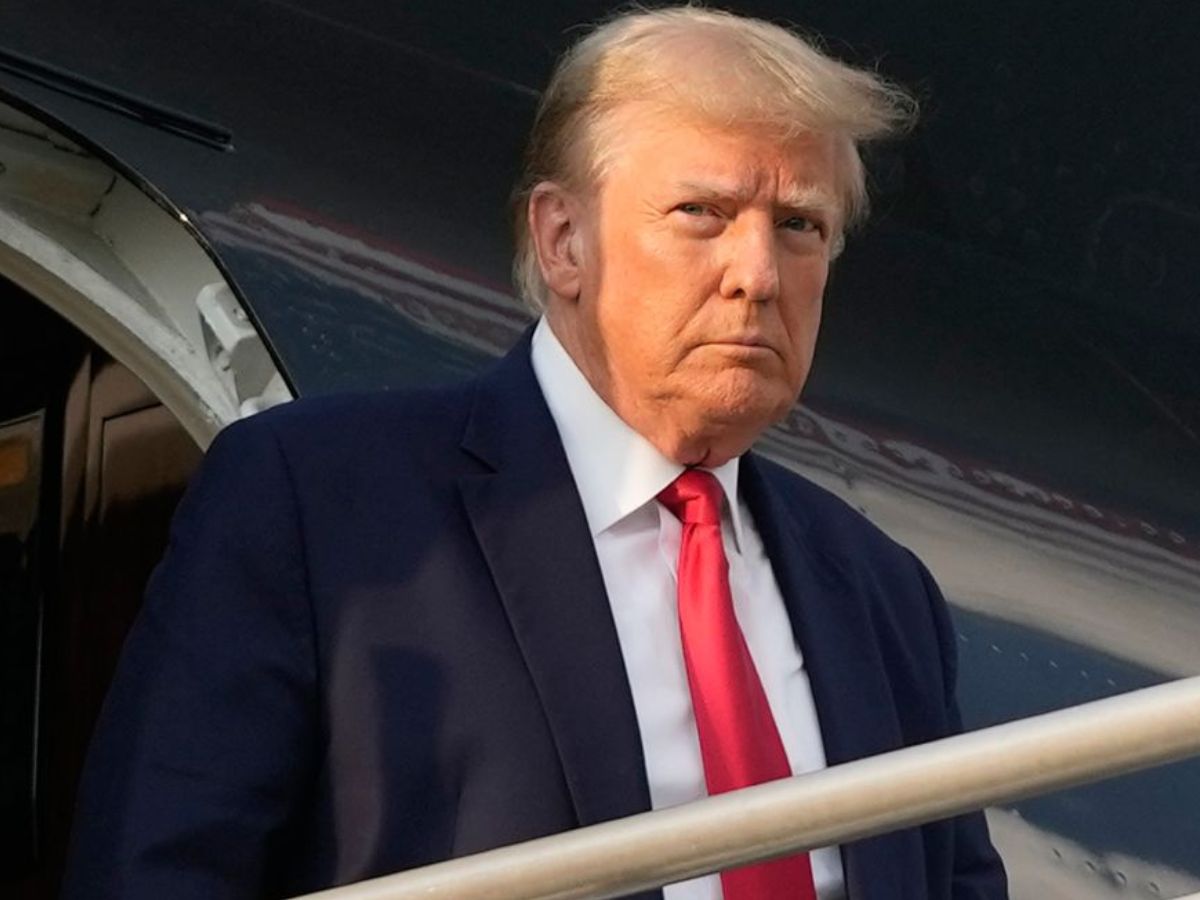

US President Donald Trump said on Monday that he decided to pause military strikes on Iran after Tehran requested renewed negotiations. He claimed that Iran reached out both directly and through intermediaries to restart diplomatic talks.
Trump confirmed that officials from both countries are now engaged in discussions. He described the latest round of dialogue as “good” and said the outcome will depend on whether both sides can reach an agreement.
“They asked us very nicely, ‘Please stop, let’s meet.’ And that’s where we are right now. See what happens. If we don’t make a deal, we go back to the same thing,” Trump further said.
US and Iran Pause Attacks to Make Room for Diplomacy
After nearly two weeks of daily exchanges of strikes, the United States and Iran stopped attacks on Sunday to give diplomacy another opportunity.
The pause followed reports that the US military was facing a shortage of missiles needed for a prolonged conflict. However, Trump rejected those reports and insisted that the US military has enough weapons.
According to Trump, Iran’s willingness to return to the negotiating table shows that the United States has gained the upper hand in the conflict.
He said, “They would not have requested the meeting if we were doing poorly. The only reason they want to meet is because we’ve been hitting them very hard.”
Trump Rejects Claims of Weapons Shortage
Trump dismissed suggestions that the United States is running low on military supplies.
He said the country has “a lot of ammunition, different types.” He blamed former President Joe Biden for any shortages and criticised his administration for sending large quantities of weapons to Ukraine.
Trump also said that his administration has increased the production of military equipment, including Patriot missile interceptors, to strengthen America's defence capabilities.
Conflict Focus Shifts to the Strait of Hormuz
Trump had initially launched the military campaign with broader objectives. These included removing Iran’s Islamic Republic, dismantling its nuclear programme and weakening its military.
However, the conflict has increasingly centred on keeping the Strait of Hormuz open. The strategic waterway carries nearly 20 per cent of the world's oil and gas supplies, making it one of the most important global energy routes.
Dispute Over Strait of Hormuz Intensified the Conflict
The latest round of violence followed Trump's failure to honour the memorandum of understanding (MoU) signed with Iran last month, according to the article.
The report said the agreement recognised Iran’s sovereign rights over the Strait of Hormuz. It added that after Iran exercised those rights, Trump launched military attacks, leading to a renewed cycle of conflict between the two countries.
Experts Say Diplomacy Remains the Practical Option
According to the report, continued US strikes have not been enough to reopen the Strait of Hormuz by force.
Military experts have said that reopening the waterway would require a much larger military operation. Such an operation would involve several times more warships, fighter aircraft, tens of thousands of troops and a prolonged ground campaign.
The report also noted that Trump has repeatedly shown little willingness to deploy additional American forces or military assets for a high-risk operation in the region.
As a result, experts believe diplomacy offers the most realistic path forward. They argue that negotiations may provide both countries with a way to reduce tensions and avoid a wider conflict.