
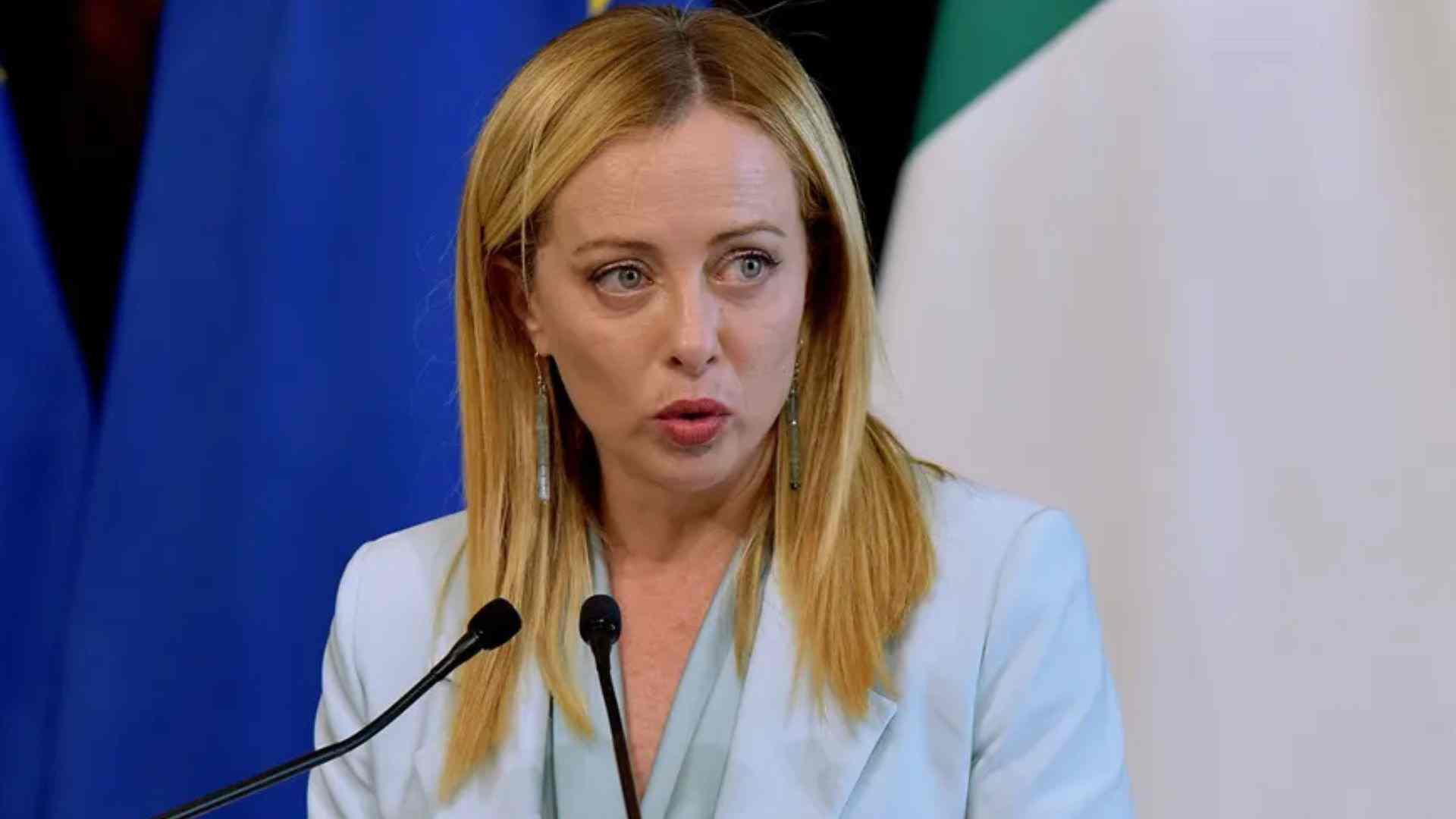

Italy has tightened border controls and temporarily suspended Spain's Schengen border-free privileges after tens of thousands of migrants entered the Spanish North African enclave of Ceuta. As a result, the decision is expected to affect air and sea travel between the two countries.
The move came just one day after Italian Prime Minister Giorgia Meloni warned that her government was ready to take stronger action if the migrant crisis continued to worsen.
Italy Enforces Temporary Border Checks
Italy suspended Spain's Schengen rights, which normally allow people to travel freely across 29 European countries without routine border checks.
On Friday, Italian Interior Minister Matteo Piantedosi announced that enhanced checks at airports and seaports would remain in force throughout August. According to the government, the measure is temporary and aims to respond to the growing migration crisis while protecting national security.
Meloni Defends the Decision
Prime Minister Giorgia Meloni described the move as an "extraordinary measure" taken to safeguard Italy's national interests. At the same time, she assured travellers that the government would work to minimise disruption during the busy summer tourism season.
“The measure will be kept in force only for the time necessary, with particular attention to limiting any impact on summer tourist flows,” Meloni wrote in a post on X.
Furthermore, she said Italy is prepared to support European efforts to help Spain regain control of the EU's external borders. “In parallel, Italy is ready to support every European initiative to assist Spanish institutions as needed to restore full control of the Union’s external borders and to address the ongoing situation with determination,” the prime minister continued.
“Defending borders means defending the safety of citizens, combating irregular immigration, and striking at the criminal networks that traffic human beings.”
Il Governo ha deciso di sospendere temporaneamente il regime di libera circolazione previsto da Schengen nei collegamenti marittimi e aerei con la Spagna, reintroducendo i controlli di frontiera.
— Giorgia Meloni (@GiorgiaMeloni) July 31, 2026
Si tratta di una misura straordinaria, adottata per tutelare la sicurezza nazionale… pic.twitter.com/bpszoG8soX
Migrant Arrivals Surge in Ceuta
The latest crisis began after tens of thousands of migrants crossed from Morocco into Ceuta, one of Spain's North African enclaves. The surge followed a ruling by Spain's Supreme Court, which stated that authorities cannot automatically return migrants intercepted at sea while they attempt to reach Ceuta or Melilla.
Consequently, the number of attempted crossings increased sharply during the week.
Thousands Return to Morocco
Despite the influx, Spanish officials said the situation has started to stabilise. On Friday, authorities confirmed that more than 48,000 migrants had voluntarily returned to Morocco.
Officials also maintained that they continue to manage the situation effectively.
European Union Steps In
Meanwhile, European Commission President Ursula von der Leyen called the situation in Ceuta "unacceptable." She also announced that two European commissioners would oversee the EU's response to the crisis.
“We cannot allow anyone to come to our Union without abiding by our rules,” she wrote on social media.
“Dangerous crossings must stop immediately. Smuggling networks must be dismantled. And returns must be swift, as our rules allow.”
Soon afterwards, Spanish Foreign Minister José Manuel Albares confirmed that EU Commissioner Magnus Brunner had been assigned to coordinate the response in Spain.
EU Officials Say Crisis Is Under Control
Brunner later said that almost all migrants who entered Ceuta had already returned. He also stressed that the crisis had not spread beyond the Spanish enclave. “Not a single person has crossed to mainland EU,” Brunner wrote on social media.
“We will remain in close contact and are in touch with ministers across Europe.”
Likewise, Albares reassured European partners that the Schengen Area remains secure. “The Schengen Area’s security is absolutely guaranteed.”
“Enough of this deliberate confusion,” he added.
Spain Criticises Italy's Move
However, Spanish Prime Minister Pedro Sánchez criticised Italy's decision to suspend Spain's Schengen privileges. He argued that European nations should stand together instead of taking actions that create divisions during a migration crisis.
“Solidarity and empathy are optional,” Sánchez wrote on X. “Respect for European treaties and data is not. … This is not the time to divide. It is the time to continue building a strong and united EU," he added.
Europe Faces Fresh Migration Challenge
Overall, Italy's temporary suspension of Spain's Schengen privileges has created fresh tensions within the European Union. While Italy insists the stricter border controls are necessary to protect national security and curb illegal migration, Spain argues that the situation is under control and has called on European partners to work together to address the crisis.