
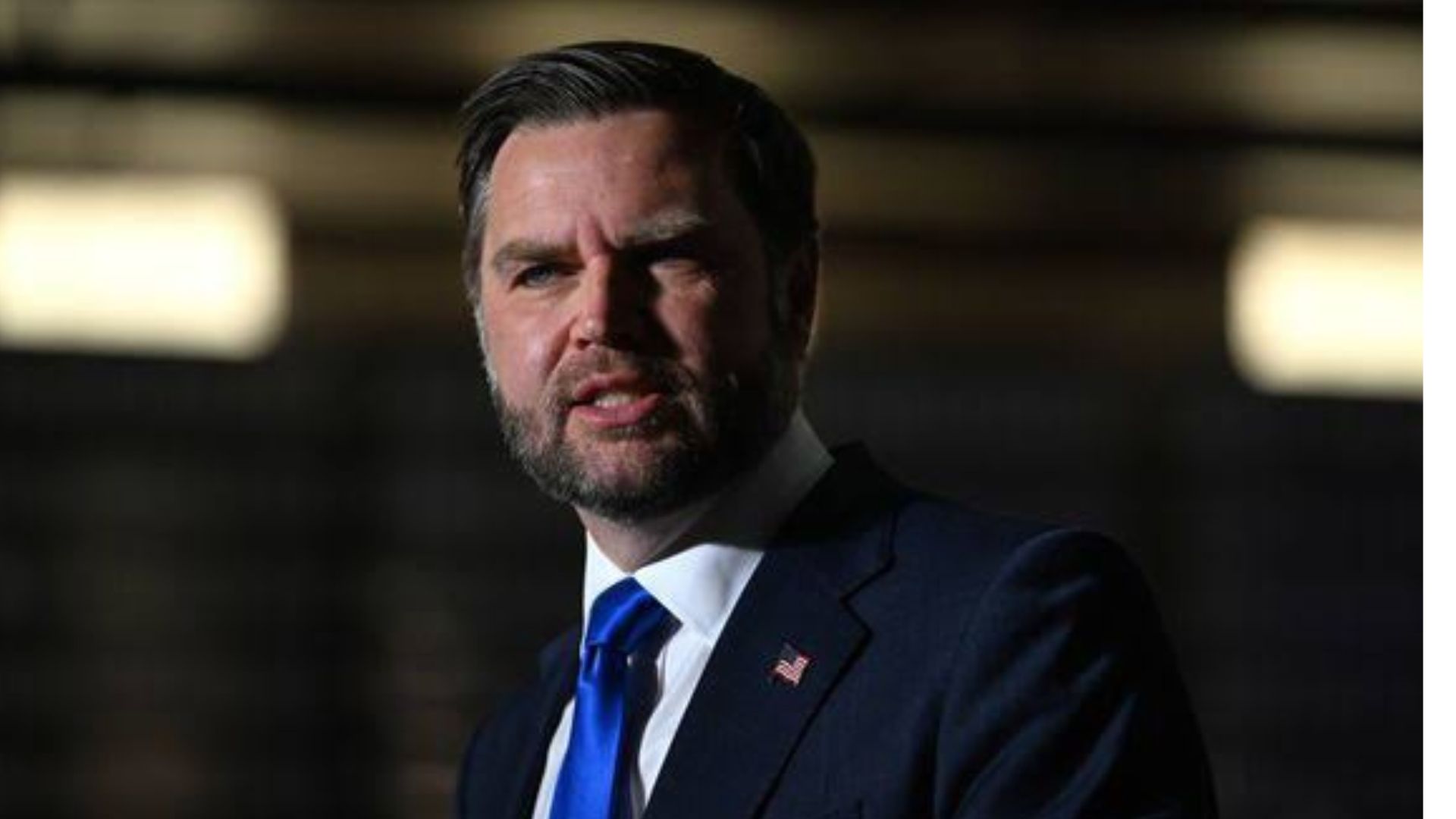

US Vice President JD Vance on Tuesday declined to endorse Israeli Prime Minister Benjamin Netanyahu in the upcoming Israeli elections, marking a rare public difference with President Donald Trump.
When asked about his position on Netanyahu and the Israeli election, Vance said, "I'm not anti-endorsing him".
"I'm not pro-endorsing him. I'm not getting involved in Israeli elections," Vance added.
Last week, Trump openly backed Netanyahu ahead of the October 27 election. He described the Israeli leader as "strong, brave, and brilliant in the face of tremendous opposition" and publicly endorsed him.
Unlike Trump, who has pursued an assertive foreign policy and launched military operations abroad, Vance has generally favoured an isolationist approach that prioritises domestic issues in the United States. He had advised Trump against joining Netanyahu in an attack on Iran. However, Vance has continued to defend the US war with Iran, even as the conflict has lasted more than six months without a clear end in sight.
Explaining his decision to stay out of Israeli politics, Vance said Trump's endorsement carries exceptional influence.
"The president has the most effective endorsement in American or international political history. I endorse American candidates, and that’s where I'm focused on in the midterms. So, I'm not getting involved in Israeli elections," Vance further said.
His remarks indicate that he intends to concentrate on American electoral politics rather than support a candidate in Israel.
Netanyahu Faces Tight Election Race as Arab Parties Could Hold the Balance
Netanyahu is facing a closely contested election against an opposition alliance led by Gadi Eisenkot. The opposition bloc also includes former prime ministers Yair Lapid and Naftali Bennett.
Opinion polls suggest that neither Netanyahu's right-wing coalition nor the opposition alliance is likely to secure an outright majority in Israel's 120-member parliament. As a result, smaller Arab parties, which have remained on the fringes of Israeli politics for decades, could play a decisive role in determining who forms the next government.
According to a Reuters poll of polls, the opposition bloc led by Eisenkot, Lapid and Bennett is projected to win 52 seats. Netanyahu's coalition is expected to secure 50 seats, while Arab parties could obtain 13 seats.
A government requires at least 61 seats to command a parliamentary majority. Since both major blocs are projected to fall short of that threshold, they would need support from smaller parties to form a government.
However, opposition to Netanyahu does not automatically mean that Arab parties will fully support the opposition alliance. Their backing is likely to depend on negotiations and specific political commitments.
Arab Parties Reject Unconditional Support for Opposition Alliance
Yousef Jabareen of the Arab Joint List has ruled out formally joining the alliance led by Eisenkot, Lapid and Bennett. Instead, he has indicated that his party could support an opposition-led government from outside the governing coalition.
This position leaves room for negotiations but makes any arrangement dependent on agreed conditions. Rather than offering unconditional backing, Arab parties are expected to negotiate their support on individual issues and political principles.
Jabareen made clear that his side intended to use its potential influence to push for political change.
"After the election, we'll impose our conditions on any political constellation in Israel. We have full freedom of action, with no limits, to replace the Netanyahu government, and we will use all the tools at our disposal," said Jabareen earlier this month.
With neither major bloc currently projected to win a majority, the Arab parties could become important players in post-election negotiations. Their final position may determine whether Netanyahu retains power or the opposition succeeds in forming a new government.
The election therefore presents a challenge for Netanyahu as he seeks another term, while the opposition must build a broader parliamentary alliance to secure a majority. Vance's decision to remain neutral adds another point of difference between him and Trump, who has openly backed the Israeli prime minister.