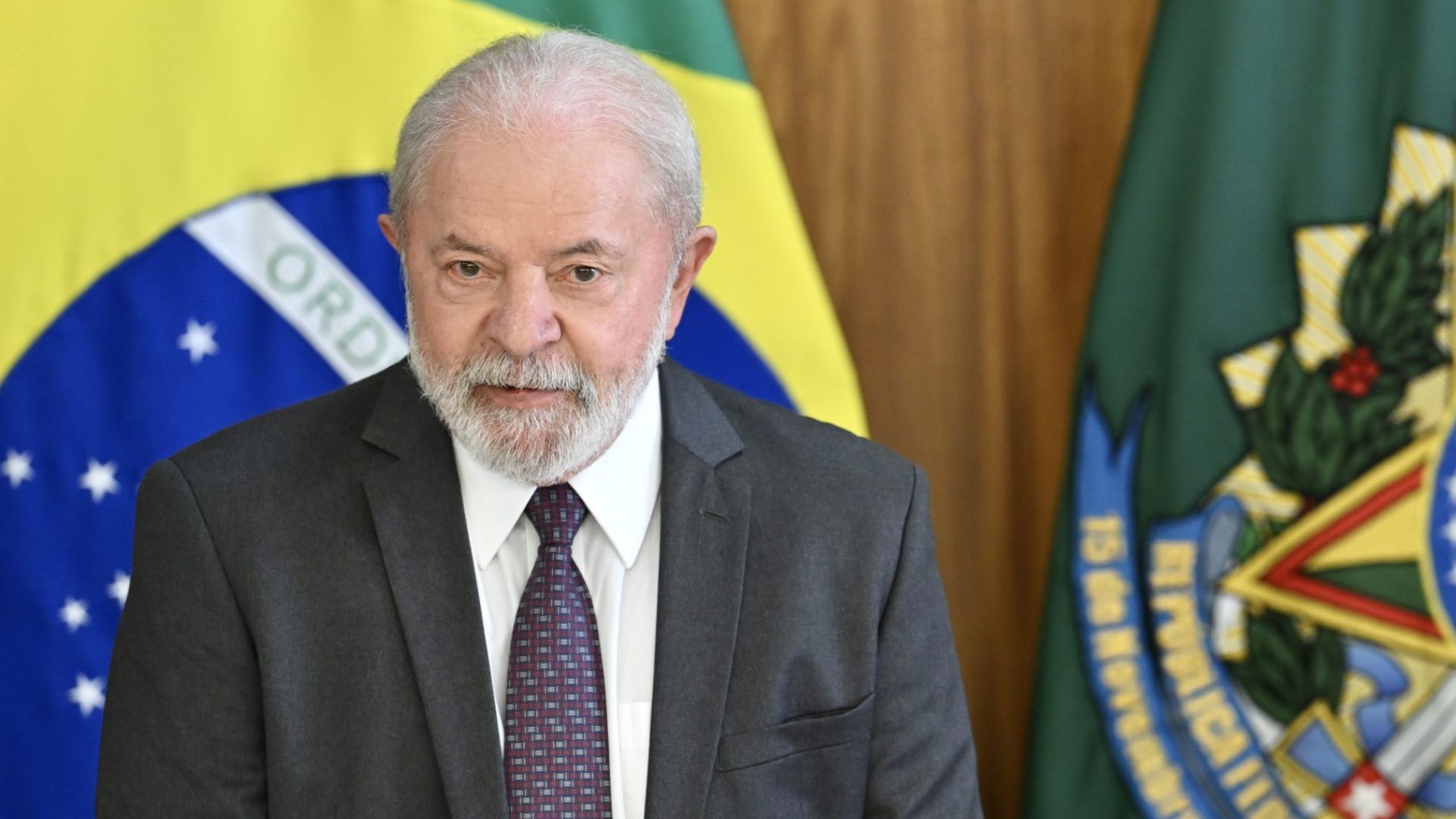
Brazilian President Luiz Inácio Lula da Silva has demonstrated how quickly an
election can turn around. On October 4, Lula faced a difficult challenge in the first round of Brazil’s presidential election, finishing behind right-wing senator Flavio Bolsonaro, the eldest son of former president Jair Bolsonaro. Lula secured 45 per cent of the vote, while Bolsonaro received 47 per cent. Neither candidate crossed the 50 per cent threshold required to win the presidency outright, forcing the election into a run-off.
The result raised serious questions about Lula’s political future and left many of his progressive supporters worried about the possibility of a defeat. Historically, no candidate who finished second in the first round had managed to win the run-off since the 1980s.
However, Lula overturned the trend on Sunday, October 25, delivering a dramatic electoral comeback and securing an unprecedented fourth non-consecutive presidential term.
Lula Scripts a Historic Election Victory
At 80, Lula achieved a remarkable political turnaround by winning the second round after trailing his opponent in the initial vote. While the first-round results had given Flavio Bolsonaro a narrow lead, the final contest produced a different outcome. Lula won 51.7 per cent of the vote, defeating Bolsonaro, who received 48.2 per cent.
The result triggered celebrations across Brazil. Fireworks and vuvuzelas filled the streets of Rio de Janeiro, while thousands of Lula supporters wearing red, the signature colour of his Workers’ Party, gathered in São Paulo to celebrate the victory. Some supporters were overcome with emotion and cried as the results became clear.
Lula also joined the celebrations, jumping with excitement and wearing red, star-shaped glasses at a hotel in São Paulo. Addressing supporters later, he thanked those who had taken to the streets to defend democracy.
Lula said voters had backed him because his campaign had managed to convince them of the importance of their ballots in protecting Brazil’s sovereignty. He described the election result as a “loss for negativity, lies”. He also declared that Brazil would “not accept being anyone's backyard”, a remark widely seen as a criticism of US President Donald Trump and his administration’s approach towards Brazil.
Flavio Bolsonaro, meanwhile, expressed disbelief over the outcome. Having expected to deliver a victory speech, he described the result as “impossible” and “inexplicable” and called for the election to be annulled.
How Lula Turned His Political Fortunes Around
Lula’s victory followed a determined campaign to win over undecided voters, strengthen support among his existing supporters and address economic concerns affecting millions of Brazilians.
After finishing behind Bolsonaro in the first round, the president focused heavily on welfare assistance, financial relief and measures intended to improve household finances.
Expanded Welfare Benefits and Financial Relief
In September, Lula announced a 15 per cent increase in payments under Bolsa Família, Brazil’s main social welfare programme. The scheme calculates benefits according to household size and the number of children in a family.
The higher payments came into effect in the week leading up to the election and were expected to benefit nearly 50 million people. Lula also announced measures to help small businesses access affordable credit and manage outstanding debts. On October 21, he backed credit relief and tax incentives that would allow businesses to obtain low-interest government-backed loans through public banks and renegotiate some of their existing obligations.
In addition, his government introduced a national debt-refinancing programme aimed at helping millions of low-income Brazilians clear records of default. Lula also raised the possibility of making public transport free on weekends, adding another proposal aimed at reducing the financial burden on ordinary citizens.
These measures helped the president highlight his focus on social welfare and economic support at a time when many households and businesses were struggling with debt.
Social Media Outreach Helped Connect With Young Voters
Lula also worked to strengthen his appeal among younger voters by making greater use of social media. According to Reuters, he acquired his first smartphone only days before the run-off election. During the campaign, the Brazilian president had joked about his growing online presence, saying, “I’m becoming the king of selfies, a real internet user.”
The move reflected an effort to connect with younger sections of the electorate through digital platforms, where political messages can reach voters quickly and directly.
Social media also provided an additional way for Lula’s campaign to promote its policies and reinforce its message beyond traditional rallies and public appearances.
Higher Voter Turnout Strengthened Lula’s Position
Another major factor behind Lula’s victory was the improvement in voter participation during the second round. Brazil recorded an abstention rate of 21.08 per cent in the first round, meaning more than one in five eligible voters did not cast a ballot. This was considered particularly damaging for Lula because many of his supporters lived farther away from polling stations.
In the run-off, the abstention rate fell to 19.21 per cent, indicating that more voters turned out to participate. The improved turnout appears to have benefited Lula, with pollsters also pointing to stronger-than-expected participation as a significant factor in his comeback.
Leonardo Barreto, co-founder of the consultancy Think Policy, said voters had opted for the familiarity of Lula’s leadership rather than the uncertainty associated with Bolsonaro’s candidacy.
“People today are choosing between change, with some apprehension, and a known path, which guarantees certain rights,” he was quoted as telling Reuters.
Weather conditions may also have influenced the outcome. Heavy rainfall affected southern areas considered strongholds of Bolsonaro’s support, potentially discouraging some voters from reaching polling stations. Although the precise impact of the weather remains uncertain, the combination of increased turnout, welfare-focused campaigning and voter preference for familiar leadership helped Lula overcome his first-round disadvantage.
Lula’s Remarkable Journey From Poverty to the Presidency
Lula’s latest victory adds another extraordinary chapter to a political career marked by poverty, labour activism, electoral defeats, corruption controversies and repeated comebacks.
He was born into a poor family of illiterate farmers in Pernambuco, an arid state in northeastern Brazil. The seventh of eight children, Lula began working at a young age as a shoeshine boy and peanut vendor before becoming a metalworker and trade unionist.
During the 1960s, he lost a finger in a workplace accident, an experience that formed part of his early life as an industrial worker. Lula entered the presidential palace in Brasília in 2003 after losing three previous presidential elections. He won re-election in 2006, establishing himself as one of the country’s most prominent political figures.
However, his earlier years in office were overshadowed by major corruption scandals, which eventually led to his arrest. Despite these setbacks, Lula returned to the political arena in 2022, defeating then-president Jair Bolsonaro and securing a third presidential term.
During his third term, Lula was credited with restoring social welfare programmes that had been weakened under his predecessor, taking steps to reduce the destruction of the Amazon rainforest and strengthening democratic institutions. His latest victory reinforces his position as one of the most influential figures in Brazil’s modern political history.
A Challenging Fourth Term Awaits Lula
Although Lula’s election victory represents a major political achievement, governing Brazil during his fourth term will present substantial challenges.
Several Brazilian media outlets have described his comeback as a “historic turnaround”, and leaders from around the world have sent congratulatory messages following his victory. However, winning the presidency does not automatically guarantee the political support needed to implement his agenda.
Lack of a Congressional Majority Could Complicate Governance
Lula’s Workers’ Party does not control a majority in Congress, leaving his government dependent on support from centrist and centre-right parties to pass legislation. Building and maintaining such alliances could prove difficult, particularly when coalition partners have different political priorities.
Political scientist Mayra Goulart of the Federal University of Rio de Janeiro told AFP that negotiating with these parties would be a herculean task. Without sufficient backing in Congress, Lula could struggle to advance proposed economic reforms and other key parts of his programme.
Public Debt and Household Financial Pressures
Brazil’s economic challenges will also test the new administration. Public debt exceeds 80 per cent of gross domestic product (GDP), placing pressure on the government to manage public finances while maintaining social spending.
Household and business debt is another major concern. According to credit bureau Serasa, nearly 84 million Brazilians and 9.3 million businesses are behind on their debt payments.
This creates a difficult balancing act for Lula. He will need to support vulnerable households and struggling businesses while addressing the country’s broader financial challenges. His welfare policies and debt-relief programmes may help some citizens, but their long-term impact will depend on economic conditions, government finances and the effectiveness of implementation.
Managing Tensions With the United States
Relations with Washington represent another major challenge for Lula’s next term. US President Donald Trump imposed tariffs on Brazilian goods last year in response to legal proceedings against his ally Jair Bolsonaro. Washington subsequently introduced an additional 25 per cent tariff on certain Brazilian products this year.
The measures have added strain to relations between the two countries and created uncertainty for Brazilian exporters. Lula will now have to navigate this dispute while protecting Brazil’s economic interests and managing its relationship with the United States.
His declaration that Brazil would “not accept being anyone's backyard” signals his emphasis on national sovereignty, but his government will still need to find a practical way to handle trade tensions with Washington.
Lula’s Victory Marks a New Chapter for Brazil
Lula’s comeback demonstrates his ability to mobilise supporters and overcome a difficult electoral position. His victory was shaped by welfare promises, debt-relief measures, improved voter participation and a campaign that presented his leadership as a familiar alternative to Bolsonaro.
However, the election is only the beginning of another demanding political term.
Lula must now contend with a divided Congress, mounting public debt, widespread financial difficulties among households and businesses, and strained trade relations with the United States.
His success in overcoming the first-round setback has strengthened his political legacy. Whether he can translate that electoral momentum into lasting economic progress and effective governance will determine the broader significance of his fourth term.