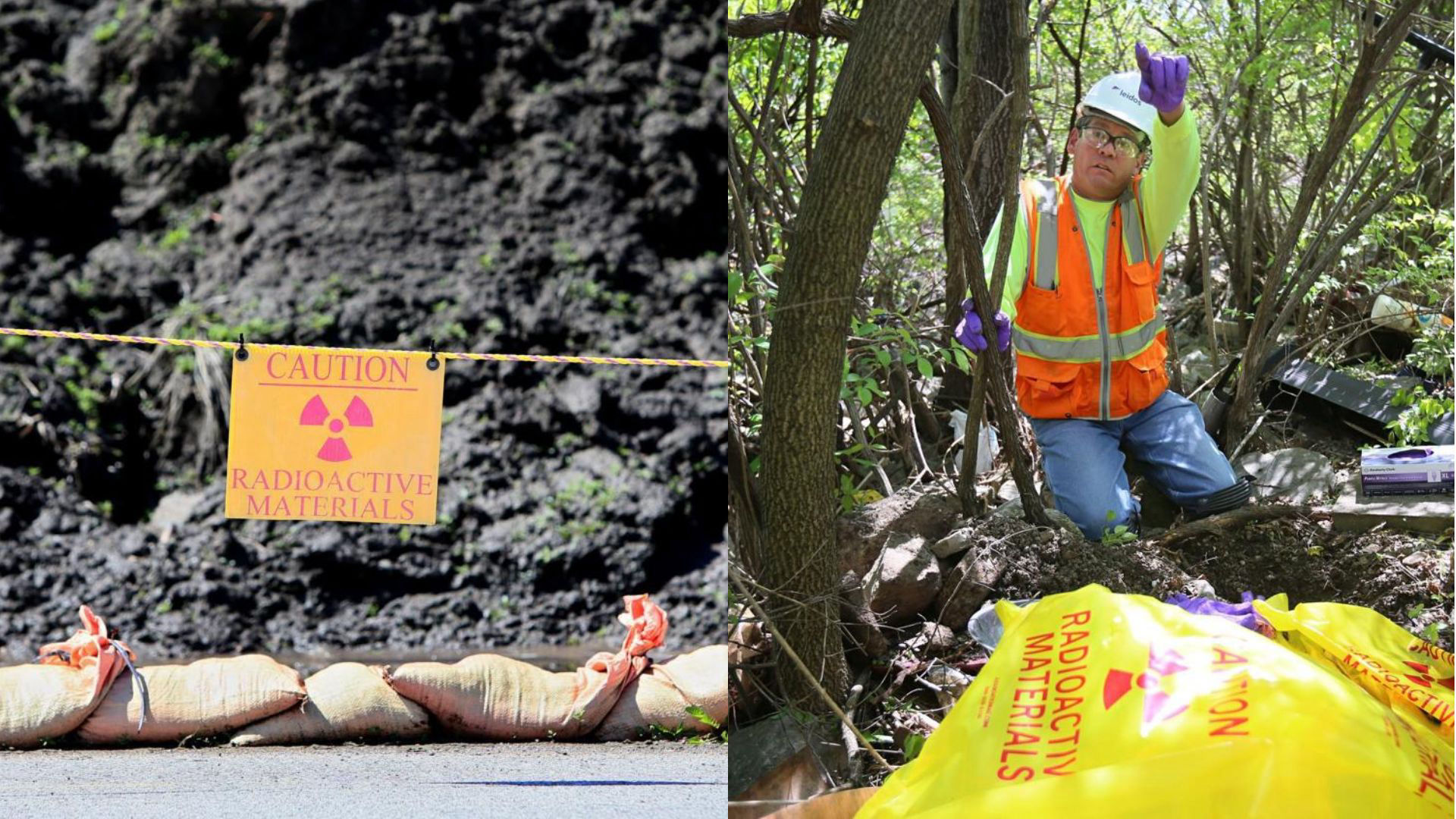
Locals near Coldwater Creek blamed officials for failing to address radiation exposure caused by atomic bomb development in the 1940s. St. Louis played a crucial role in refining uranium for the Manhattan Project. After the war, authorities dumped waste near Coldwater Creek, allowing it to seep into the environment.
Meanwhile, Kim's son, Zack, developed a rare brain tumor just one week after birth. He had glioblastoma multiforme, a condition usually found in adults over 45 but rarely in children. "Doctors were shocked," she said. "We were told that his illness was one in a million." Despite undergoing chemotherapy, doctors saw no chance of recovery. Tragically, he passed away at six years old.
Years later, Kim started noticing a pattern. Social media and community discussions revealed more children in her area near Coldwater Creek had cancer. She wondered if Zack’s case was part of a larger issue.
Government Inaction and Expired Compensation
The
US government once offered compensation for radiation-related illnesses under the Radiation Exposure Compensation Act (RECA). However, the program expired in 2024 before including the St. Louis area.
RECA provided $2.6 billion to over 41,000 claimants in places like New Mexico, where nuclear testing took place. Research suggested radiation exposure contributed to hundreds of cancer cases. However, officials have downplayed risks in St. Louis. Federal investigators admitted some increased cancer risks but claimed the rise in cases was small.
A Community’s Alarming Reality
Residents near Coldwater Creek have experienced high cancer rates. Karen Nickel, who grew up playing by the creek, described a once-idyllic childhood. "Fifteen people from my street died from rare cancers," she said. Entire neighborhoods have been affected.
Her family’s health struggles add to the concerns. Her sister had ovarian cysts at 11. Their neighbor developed the same condition at nine. Her six-year-old granddaughter was born with an ovarian mass. These alarming cases led Karen to co-found Just Moms STL, a group advocating for cleanup and accountability.
Unanswered Questions and Lingering Fears
Teresa Rumfelt, another resident, lost her sister to ALS, a disease possibly linked to radiation. "ALS took my sister at 50," she said. Despite research gaps, she believes radiation exposure played a role. Like many, she demands expanded compensation for victims.
Meanwhile, healthcare professionals acknowledge community concerns. Dr. Gautum Agarwal, a cancer surgeon, now asks patients if they live near Coldwater Creek. "I tell them there’s a potential link. If their family lives nearby, they should get screened sooner," he said.
However, other experts disagree. Professor Roger Lewis of St. Louis University argues that while radiation exposure carries some risk, studies show it is small. Still, he recognizes the fear in the community and urges clearer government communication.
Living with Uncertainty
Despite ongoing debates, locals remain anxious. The government cleanup continues but will not finish until 2038. Many fear it will be too late.
"It’s almost a given in our community that we’ll get cancer or another illness," Kim said. "We just see it as a matter of time."