
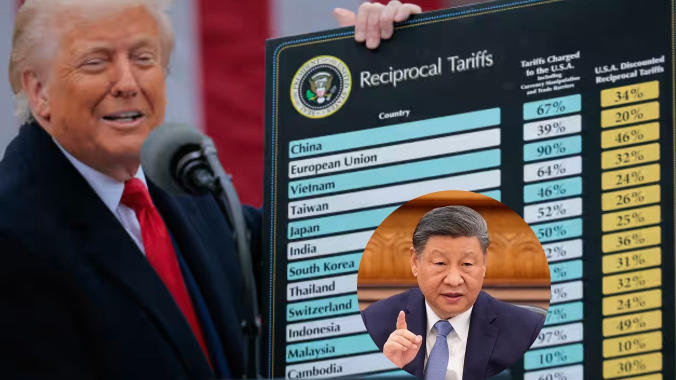

China has announced a 34% retaliatory tariff on all US imports. This response follows President Donald Trump’s new tariffs, which raised total US duties on Chinese goods to 54%. The new Chinese tariffs will take effect on April 10, as confirmed by Xinhua News Agency.
No Exemptions in China’s Response
Unlike Trump’s tariffs, which excluded certain products like semiconductors and pharmaceuticals, China’s measures cover all goods without exception. According to The New York Times, China’s response is broader and more aggressive.
Non-Tariff Retaliation Measures
In addition to tariffs, China has added 11 US companies to its “unreliable entities” list. This move effectively bans them from operating in or with China. China also tightened export controls on rare earth minerals, which are essential for electronics, electric vehicles, and military technology.
Export Bans and Blacklists
China banned chicken imports from selected US producers. It also restricted exports of minerals like tungsten, tellurium, molybdenum, and ruthenium. These minerals are vital to global tech and defense industries.
First Two Rounds of Retaliation
Earlier, China had responded to previous rounds of US tariffs. In February, it imposed 15% tariffs on coal and LNG, and 10% on crude oil and machinery. It also launched an anti-monopoly investigation into Google and blacklisted companies like PVH Corp and Illumina.
March Tariffs and Business Restrictions
In March, China raised tariffs again. It imposed 15% duties on chicken, wheat, corn, and cotton. A 10% tariff hit soybeans, pork, dairy, and more. China also restricted investment and exports for 25 American firms.
A Growing Trade War
China’s latest move signals an escalating trade war with the United States. With no talks of compromise in sight, tensions are rising and may soon affect global markets more deeply.