
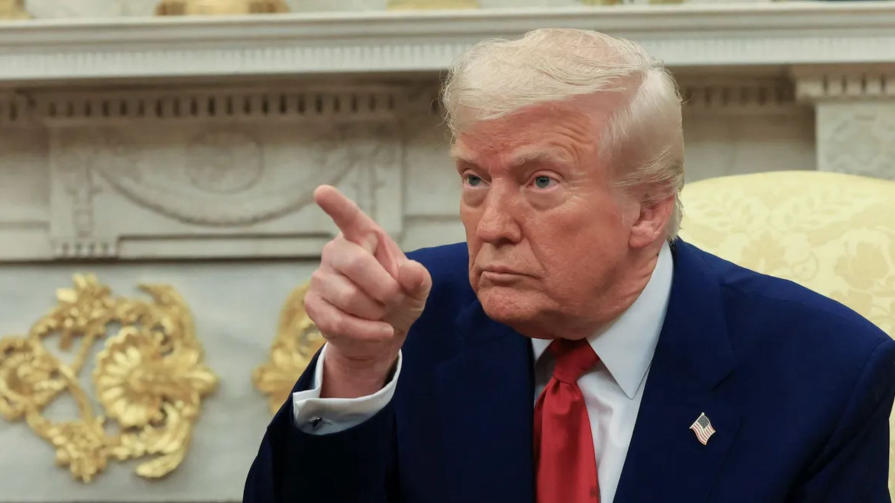

US President Donald Trump imposed a 50% tariff on Brazilian imports, linking the move to the ongoing trial of former President Jair Bolsonaro. This decision marked a shift from his usual focus on economic reasons like trade deficits. Instead, it revealed how personal loyalties now shape US trade policy.
Rather than pointing to trade imbalances, Trump directly tied the tariff to Bolsonaro’s legal troubles. Bolsonaro, who faces accusations of attempting to overturn his 2022 election defeat, shares a close personal bond with Trump.
“This trial should not be taking place. It is a Witch Hunt that should end IMMEDIATELY!” Trump wrote on Truth Social, echoing language he often uses to describe his own legal battles. He also addressed the message to Brazil’s President Luiz Inácio Lula da Silva, who defeated Bolsonaro in the last election.
Bolsonaro Faces Supreme Court Over Coup Allegations
Back in June, Bolsonaro testified before Brazil’s Supreme Court about an alleged plot to stage a coup. Over the next few months, 26 more individuals will appear before the court, and a final ruling may come as early as September. In the meantime, Bolsonaro remains banned from contesting elections until 2030.
Brazil Downplays Tariff Threat
In response, Brazil’s Vice President Geraldo Alckmin dismissed Trump’s tariff announcement. He defended the integrity of the country's judiciary and suggested Trump had been misinformed. “I think he has been misinformed. President Lula was jailed for almost two years. No one questioned the judiciary. This is a matter for our judicial system,” Alckmin said.
Trump Attacks Brazil’s Supreme Court Over Censorship
Alongside the tariff threat, Trump criticized Brazil’s Supreme Court for allegedly censoring social media. He accused the court of issuing secret and unlawful orders to fine and temporarily block platforms like X (formerly Twitter).
“SECRET and UNLAWFUL Censorship Orders,” he wrote, adding that the US will now begin a Section 301 investigation, which targets unfair foreign trade practices that hurt American companies.
Interestingly, Trump left out a key detail in his statement—X is owned by Elon Musk, one of his strongest supporters in the 2024 US presidential race. Trump himself owns Truth Social, a competing platform.
Seven More Countries Targeted with Tariffs
Brazil wasn’t the only country affected. On the same day, Trump sent tariff notices to seven smaller trading partners:
-
Philippines
-
Brunei
-
Moldova
-
Algeria
-
Libya
-
Iraq
-
Sri Lanka
Although these countries do not pose any major economic threat to the US, Trump used the move to send a clear political signal. Earlier this week, he had already imposed a 35% tariff on Serbia, stating that tariffs could also promote peace and influence political developments.
Meanwhile, the European Union confirmed it hasn’t received any new tariff notifications, but Trump had already slapped 25% tariffs on Japan and South Korea earlier in the week. Also, trade talks with India are currently underway for a possible agreement.
Tariff Rates Effective from August 1
Trump’s new tariff structure will take effect on August 1, with the following rates:
-
30% tariffs on Libya, Iraq, Algeria, and Sri Lanka
-
25% tariffs on Moldova and Brunei
-
20% tariffs on the Philippines
Economists Warn of Economic Fallout
Most economists have warned that Trump’s aggressive tariff approach could increase inflation and slow down US economic growth. However, Trump defended his decision, claiming that tariffs help correct trade imbalances, finance tax cuts, and revive manufacturing jobs in the US.
Speaking to African leaders recently, Trump said, “You guys are going to fight, we’re not going to trade. And we seem to be quite successful in doing that.”