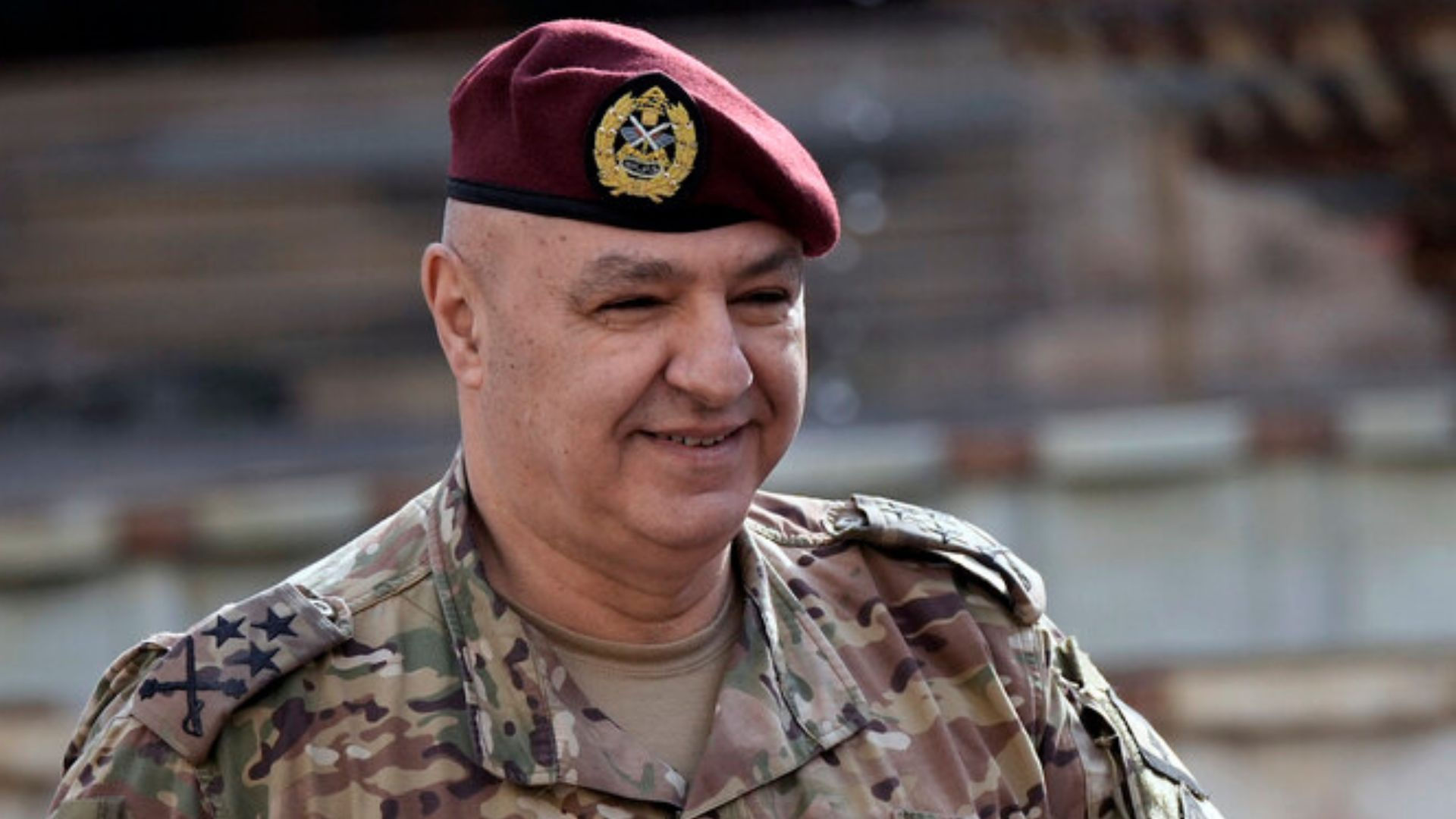
Lebanon’s top presidential contender, Joseph Aoun, missed the two-thirds majority in Thursday’s parliamentary vote. However, he remains the favorite for the second round.
Only 71 out of 128 lawmakers voted for Army Chief Aoun, falling short of the required 86 votes. Consequently, Speaker Nabih Berri suspended the session until 2:00 pm (1200 GMT). This decision sparked outrage among some lawmakers who demanded an immediate second vote.
Lebanon’s Government Deadlock
Lebanon has been without a fully functional government since October 2022. After former President Michel Aoun’s term ended, the country has made 12 failed attempts to elect a new leader. Therefore, the deadlock between pro- and anti-Hezbollah factions continues to hinder progress.
Presidential Election Process
In Lebanon, the president is elected by Parliament. Importantly, the candidate must be a Maronite Christian. In the first round, a two-thirds majority (86 votes) is required. If no candidate wins, subsequent rounds only need a simple majority.
Top Candidates for President
Joseph Aoun, 60, is widely seen as the frontrunner. He has served as Army Chief since 2017, with his term extended during the Israel-Hezbollah conflict.
Meanwhile, Jihad Azour, a prominent economist, has gained significant support from anti-Hezbollah factions. He currently leads the Middle East and Central Asia Department at the International Monetary Fund.
Additionally, Elias al-Baysari, head of Lebanon’s General Security agency, is in the running. His agency has close ties to Hezbollah.
Aoun’s Eligibility
Lebanon’s constitution technically bars a sitting army chief from becoming president. However, exceptions have been made in the past. Although Aoun has not officially declared his candidacy, he is favored by the US, a key supporter of the Lebanese army.
If elected, Aoun would become the first army chief to serve as Lebanon’s president, with strong backing from international players.