
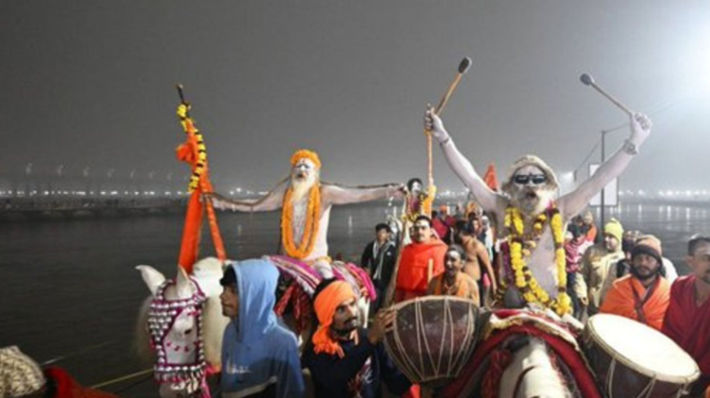

The Maha Kumbh Mela, the world’s largest religious gathering, is happening in Prayagraj, Uttar Pradesh. It started on January 13 and will continue until February 26, 2025. This year is special because it marks a once-in-144-years event. Over the 44 days, around 400 million visitors are expected.


Naga Sadhus Lead the First Shahi Snan
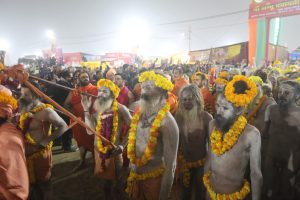
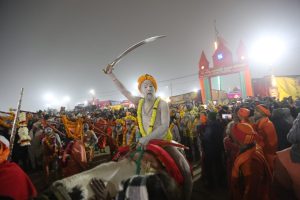
On January 14, 2025, the Naga Sadhus performed the first 'royal bath' (Shahi Snan) at the Triveni Sangam. This is where the Ganga, Yamuna, and the mythical Saraswati rivers meet. The Shahi Snan is a sacred ritual believed to cleanse sins and bring salvation.
A Spectacle of Devotion
The procession of Naga Sadhus to the river is a sight to behold. The ascetics, dressed in beads and covered in holy ash, walk barefoot, ride horses, or travel in decorated vehicles. Chants and drumming fill the air, making the event even more powerful.Just saw a video of Mahakumbh 2025 where Naga Sadhus created a massive burning fire in the shape of X. @elonmusk, are you secretly collaborating with them to promote X? If yes, this is next-level marketing! 🔥😂 pic.twitter.com/ea6NjdxHtl
— Suneel Yadkikar (@suneelyadkikar) January 13, 2025
Who Are the Naga Sadhus?
Naga Sadhus are devoted followers of Lord Shiva. They are known for their extreme practices and deep spiritual commitment. The term "Naga" refers to their decision to live without clothing, renouncing all material possessions. This is part of their dedication to spirituality.The Life of Naga Sadhus
Naga Sadhus live a life focused on meditation, yoga, and spiritual rituals. Many cover their bodies with ash, symbolizing their detachment from worldly matters. Some choose to live in caves as hermits, while others belong to "akhadas," groups that preserve specific spiritual practices.Mahakumbh 2025 : आस्था का महासंगम, दिव्यता का अनुभव।
— प्रियंवदा 🇮🇳🚩 (@Priyamvada227s) January 9, 2025
आखिर कौन होते हैं 'नागा साधु' और कैसा होता है इनका जीवन, आइए जानें?
Save this thread such a rare thread. Read the thread till the end.. pic.twitter.com/yLzF0WyoI2