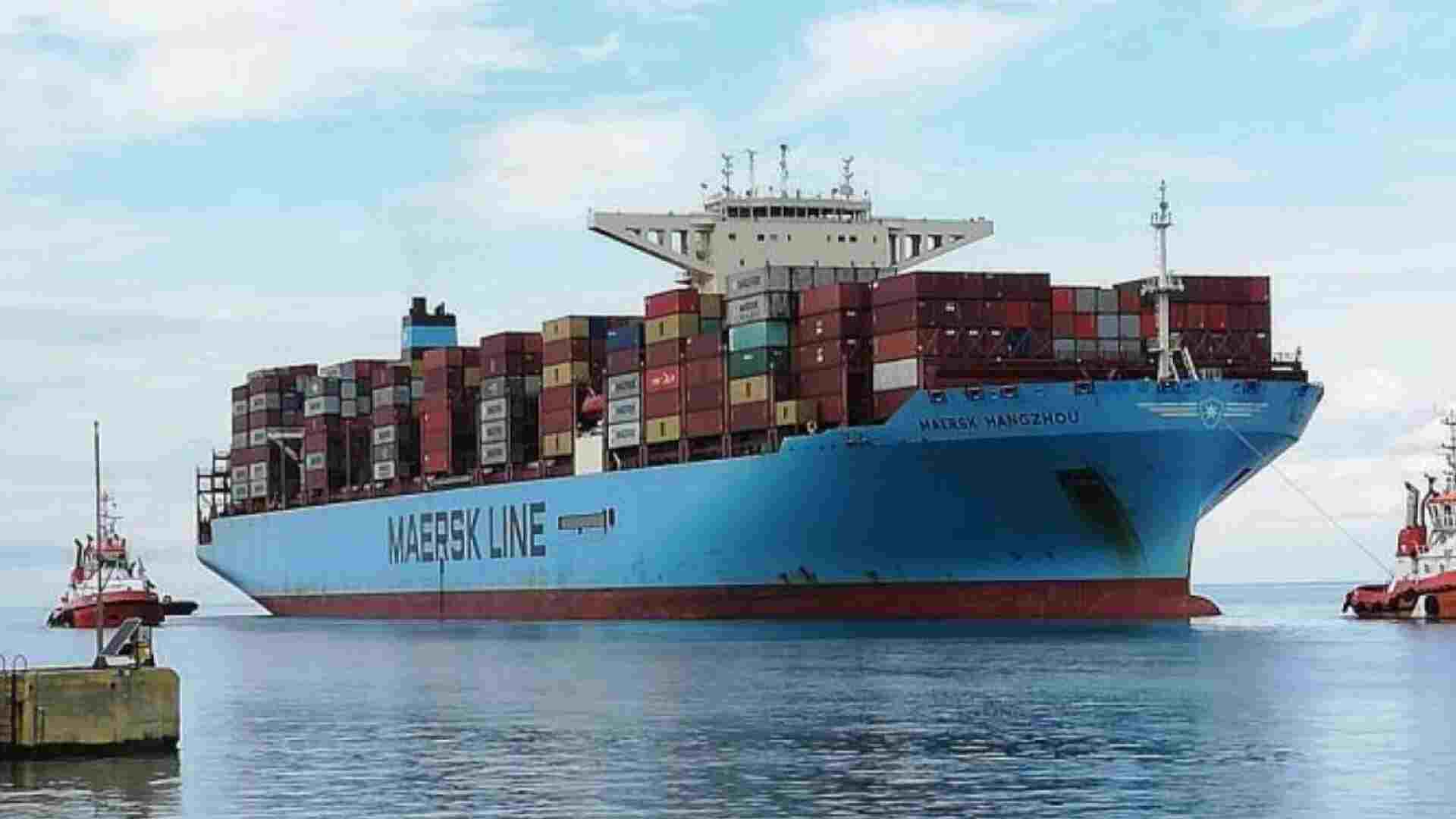
Houthi rebels in Yemen have forced 75% of US-flagged ships to avoid the Red Sea. As a result, they must take a longer and more expensive route around Africa’s southern tip, according to US National Security Advisor Mike Waltz.
Houthi Threat Disrupts Global Trade
Speaking on CBS’s "Face the Nation", Waltz explained the severe impact of these attacks.
"Seventy-five percent of our US flag shipping now has to go around the southern coast of Africa rather than going through the Suez Canal," he said.
Moreover, he revealed that the last time a US Navy destroyer passed through the straits, it faced 23 attacks.
US Strikes Target Houthi Leaders
In response, the US military launched airstrikes on Iran-backed Houthi rebels. Notably, these were the first major US attacks in Yemen since Donald Trump took office.
According to Waltz, the strikes killed key Houthi leaders, including their missile program chief.
"We’ve hit their headquarters. We’ve hit communications nodes, weapons factories, and even some of their over-the-water drone production facilities," he said.
Houthi Attacks Fail to Hit US Carrier
Meanwhile, the
Houthis claim they attack Red Sea ships to support Palestinians in the Israel-Gaza war. Additionally, they allege that recent US airstrikes killed over 50 people in Yemen.
On Tuesday, they announced on Telegram that they had launched missiles and drones at the USS Harry S. Truman in the northern Red Sea. However, NBC News reported that the attack failed.
Biden’s Response Faces Criticism
Furthermore, Waltz blamed President Joe Biden for taking a weak stance against the Houthis.
He accused Biden of launching "pinprick attacks", which allowed the Houthis to shut down a key shipping lane.
"The Trump administration and President Trump have decided to do something much harder, much tougher," he said.
US Military Strikes Continue
In addition, a US defense official confirmed that American forces are carrying out daily and nightly airstrikes on multiple Houthi targets in Yemen.
Rerouting Increases Costs
As a result of the crisis, ships must now take twice as long to travel between Europe and Asia. This detour significantly increases costs, adding nearly $1 million per trip, according to LSEG Shipping Research.
US Discusses Crisis with Israel
Meanwhile, US Secretary of State Marco Rubio discussed the issue with Israeli Prime Minister Benjamin Netanyahu.
According to the State Department, Rubio reaffirmed US military action to protect Red Sea shipping. Furthermore, he discussed Israel’s military operations in Gaza and reaffirmed US support for Israel.
Tensions Continue to Rise
Ultimately, US forces continue striking Houthi targets, but shipping disruptions worsen. Consequently, the situation remains dangerous,with no clear resolution in sight.