
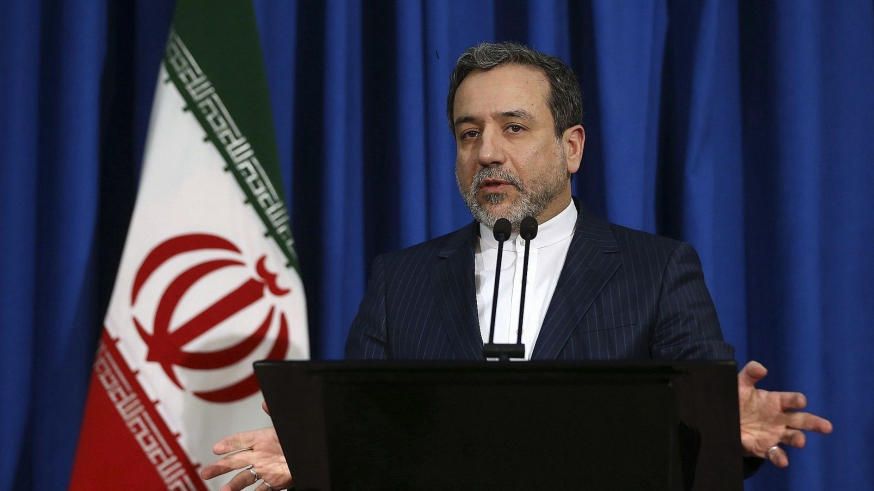

Iran will hold discussions with Britain, France, and Germany on Friday in Rome. These three countries—known as the E3—are part of the 2015 nuclear deal. Iranian Foreign Minister Abbas Araqchi confirmed the meeting on Wednesday. Notably, these talks will happen just two days before Iran resumes nuclear negotiations with the United States.
Originally, the 2015 deal aimed to limit Iran’s nuclear activities. However, it began to collapse in 2018 when then-President Donald Trump withdrew the U.S. from the agreement.
Iran Criticizes Europe but Agrees to Meet
Despite his criticism, Araqchi said Iran is open to talks. He stated, “In my opinion, the three European countries have lost their role (in the nuclear file) due to the wrong policies they have adopted. Of course, we do not want this and are ready to hold talks with them in Rome.”
Clearly, Iran wants to reconnect with the E3, even if tensions remain.
E3 Hesitated but Later Accepted
Initially, the E3 had concerns. They feared the talks might disrupt ongoing U.S.-Iran negotiations. However, they eventually agreed that keeping dialogue with Iran was important. According to three European diplomats who spoke to Reuters, the E3 believes discussions could help shape the terms of any new deal.
On Wednesday, E3 political directors met U.S. officials in Berlin. There, they reviewed earlier U.S.-Iran talks and planned for the Rome meeting. Two diplomats confirmed they would head to Rome on Friday.
Iran Builds Negotiation Momentum
Recently, Iran restarted talks with the U.S. in Oman. It also spoke with Russia and China last week. Now, Iran wants to build on that momentum.
Moreover, Iran wants to understand Europe's position on reimposing U.N. sanctions. These could return in October through the “snapback mechanism” when the 2015 deal officially expires.
Europe and Iran Struggle to Maintain Ties
Over the past year, Iran’s relationship with the E3 has worsened. Although they met occasionally since last September, many issues remain. For example, the E3 placed new sanctions on Iran over its missile program, arrests of foreign nationals, and support for Russia in Ukraine.
On Tuesday, French Foreign Minister Jean-Noel Barrot issued a strong warning. He said France would not hesitate to trigger the snapback sanctions if talks fail. He added that doing so would cause “devastating effects.”
Furthermore, Barrot accused Iran of secretly trying to develop a nuclear weapon. However, Iran denied this claim. It insists that its uranium enrichment program is meant only for peaceful energy use.
Iran Replies at the United Nations
In response, Iran’s U.N. ambassador Amir Saeid Iravani criticized Barrot. In a letter to the U.N. Security Council, he called the minister’s comments “unfounded and politically irresponsible.”
He also said applying the snapback would be “legally and procedurally flawed, inadmissible, and invalid.”
Additionally, the letter stated, “(Barrot’s) open threat to reimpose sanctions with ‘devastating effects’ on Iran’s economy constitutes a blatant act of political and economic coercion.”
U.S. Imposes Fresh Sanctions on Iran
On the same day, the U.S. Treasury Department announced new sanctions. These targeted a network based in Iran and China. The U.S. believes the group helps supply materials used in Iran’s ballistic missile program.
Araqchi quickly criticized the sanctions. He said the action sends the “wrong message” during negotiations.
Meanwhile, former President Donald Trump expressed optimism. He said he believes he can secure a new deal that will stop Iran from developing a nuclear bomb.