

India’s ageing population is growing fast, and with it, concerns about healthy ageing are becoming more urgent. A recent study reveals that more than 20% of elderly Indians reported at least one fall in the last two years. A smaller 2023 study conducted in Chandigarh among 300 people aged 60 and above found that nearly 31% had experienced a fall in just the previous year. These numbers highlight a bigger issue—older adults are facing serious mobility problems, posture-related injuries, and chronic pain, much of which results from a lifetime of inactivity and lifestyle-related health issues.
Years of Sitting Now Affect Senior Health
Over the past 20 years, the types of physical problems among seniors have changed. While knee, back, and neck pain still remain common, there is a growing number of seniors struggling with balance and instability, often leading to falls and a loss of independence. One major reason is the sedentary lifestyle of working adults, especially between the ages of 25 to 50, who spent years in desk jobs with little movement. The effects of this lifestyle show up much later in life, often in the form of worsening muscle and joint pain. What used to feel like a pain level of 10 now feels like 20.
That’s why physiotherapy is now essential—not just to treat existing problems, but also to help seniors stay independent. Along with physiotherapy, yoga is proving to be a powerful partner in improving the lives of older adults.
Poor Posture and Balance Problems Go Hand in Hand
Posture is a key but often ignored reason for balance problems in older people. Sitting for long hours with poor posture leads to slouching and spinal misalignment. Over time, this causes the body’s centre of gravity to shift forward, making it harder to balance. When this shift is combined with weakened knees and muscles, the chances of falling rise sharply. This issue is now common among people in their 50s and 60s—the first generation of office workers after economic liberalisation who spent years working in high-stress, desk-based jobs. Their health now demands structured, careful care.
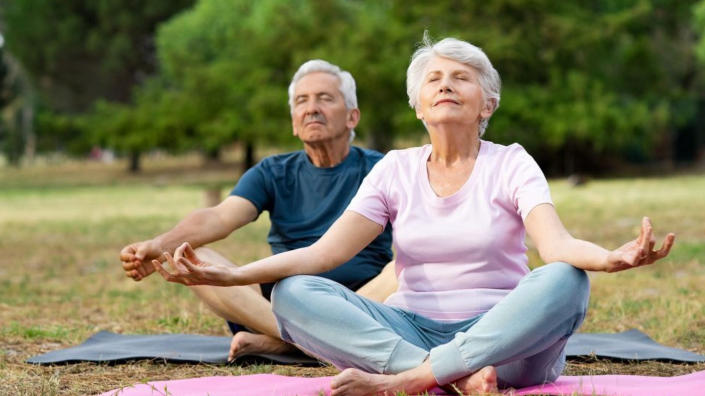
Practicing yoga under supervision offers a helpful response. It improves muscle strength, balance, flexibility, and also supports the internal organs. Breathing exercises like Anulom-Vilom and other forms of Pranayama improve lung health, which is important for seniors recovering from surgery or dealing with low stamina. In fact, such breathing practices are vital for lung transplant patients during long-term recovery.
Yoga as a Second Line of Care in Senior Wellness
At Antara Care Homes, physiotherapy remains at the core of elder care. However, in many cases, yoga is added to the wellness plan. Seniors who are still able to move—even slightly—are encouraged to do active movement therapies. If a person struggles with breathlessness, breathing-focused yoga is suggested. If someone has pain or stiffness, yoga helps target and relieve those issues. But every plan is personalised, slow, and safe.
Gentle yoga forms like Hatha Yoga, Chair Yoga, Yin Yoga, and Restorative Yoga are ideal for those with limited movement. Simple poses such as:
-
Seated Forward Fold (Paschimottanasana)
-
Seated Spinal Twist (Bharadvajasana)
-
Cat-Cow Stretch (Marjaryasana–Bitilasana)
-
Seated Leg Stretch (Akarna Dhanurasana)
-
Savasana (Corpse Pose)
These poses help improve posture, circulation, flexibility, and muscle strength. For those who can’t sit on the floor, chairs and half-lying positions are used so everyone can participate safely.
Yoga Helps with Common Ageing Issues
Yoga has also shown clear benefits in managing conditions common in older age. For people with arthritis, it reduces stiffness and improves joint mobility. For those with high blood pressure, it improves heart health through relaxation and breath control. In cases of osteoporosis, especially among postmenopausal women, weight-bearing yoga poses help slow bone loss and improve balance, lowering the risk of fractures.
Although it’s best to start yoga in your 20s or 30s, seniors can still benefit greatly. With the right modifications and a careful approach, older adults can make yoga part of their daily routine.
When Breath and Balance Transform Lives
The benefits of yoga go beyond the physical. The author shares a personal story, “My own father, for instance, became noticeably more tired and less mobile after retirement. But after just a few months of consistent yoga practice with a community group, he experienced marked improvements in mobility, stamina, and energy levels.”
In her professional work, the author has seen seniors regain strength, reduce breathlessness, and return to activities they had once stopped. She recalls a 78-year-old man who could barely walk ten steps without support. “After a few months of gentle yoga, he was climbing stairs independently. The change was not just physical but also emotional—his sense of control and confidence returned.”
Yoga Boosts Mental and Social Health Too
Yoga is also a tool for improving mental health in older adults. It helps reduce depression, calm irritability, and support emotional balance. A 2023 study found that a 12-week yoga program significantly reduced loneliness among seniors. Practicing yoga in groups also builds connection and joy, which are crucial to overall well-being.
It’s Not About Intensity, But About Intention
For older adults, yoga isn’t about pushing limits. It’s about being consistent, gentle, and adaptable. The goal is better movement, breathing, balance, and emotional health. With props like chairs or cushions, yoga can be made accessible to everyone, no matter their limitations. Seniors are encouraged to go at their own pace, take breaks, and slowly improve.
As Indians begin to live longer, the focus must shift to how well they live those years. Yoga, when introduced with care and guidance, becomes more than just exercise—it becomes a support system for ageing with dignity and strength.