
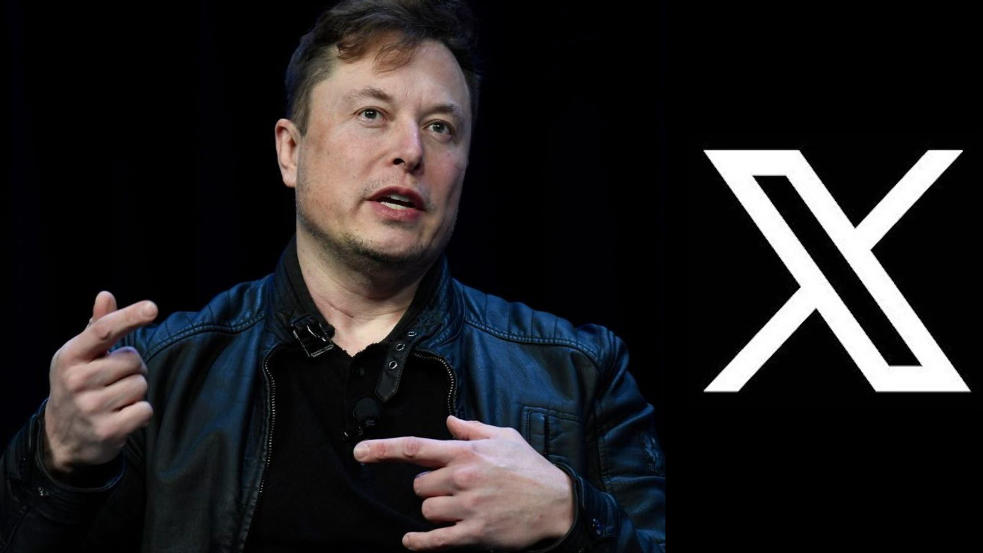

The central government told the Karnataka High Court that allowing unlawful content on social media under the cover of "free speech" could harm India's democracy on Thursday. According to The Times of India, the Centre specifically accused Elon Musk’s X, previously known as Twitter, of trying to avoid accountability.
Centre Blames X for Misusing ‘Safe Harbour’ Clause
The government argued that Musk’s company is hiding behind the ‘safe harbour’ protection in India’s IT Act. In a letter submitted to the court, Solicitor General Tushar Mehta said that freedom of speech under Article 19(1)(a) of the Constitution should not be misunderstood as a shield for illegal content.
Mehta explained, “Constitutional jurisprudence clearly differentiates between protected speech that contributes meaningfully to democratic discourse and unlawful speech that undermines societal stability and individual rights.”
Safe Harbour Is a Privilege, Not a Right
The solicitor general stressed that the safe harbour provision is not an absolute right but a conditional privilege. This protection depends on whether the company follows its legal responsibilities strictly.
The Centre made these points after X approached the Karnataka High Court. The company requested the court to stop government departments from taking strict actions against it.
X Claims Government Orders Are Hurting Business
The government, in its written submission, noted that X argued government blocking orders were unfair and hurt the platform's operations. X claimed that orders issued without following proper procedures under the IT Act and the Constitution violated its right to equality under Article 14 and damaged its business.
However, the Centre disagreed. It said allowing unlawful content to spread on social media poses a serious danger to public discussions, democracy, and social stability.
Social Media’s Reach Requires Higher Accountability
The government pointed out that platforms like X can instantly amplify messages without facing usual barriers like language or borders. Because of this wide reach, they carry greater responsibilities.
Tushar Mehta wrote, “Social media intermediaries possess an unparalleled ability to amplify information instantaneously... and thus carry significant responsibilities.”
Government Seeks Strict Regulation
The Centre stated that algorithms used by social media companies amplify selected content. This curation can shape public opinion and either help social harmony or worsen social conflict. Hence, the government argued for stricter regulations specific to social media, separate from rules for traditional media.
Why This Debate Matters
This case could impact all social media companies operating in India. It connects to global debates like the call to repeal Section 230 of the US Communications Decency Act, which protects social media firms from legal responsibility for user content.
In its submission, the Centre accused X of wrongly treating safe harbour as an absolute right. It clarified, “Safe harbour is not a constitutional guarantee but a statutory privilege, specifically designed to foster responsible conduct.”