
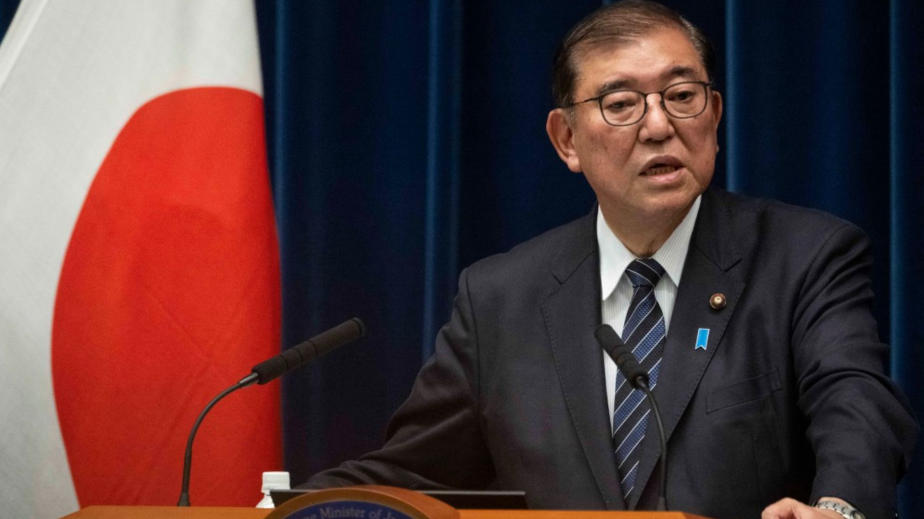

Japanese Prime Minister Shigeru Ishiba’s ruling coalition suffered a serious political defeat after failing to secure a majority in the country’s 248-seat upper house, according to public broadcaster NHK. This result is seen as a significant setback for Ishiba’s leadership.
Coalition Falls Short in Upper House
Ishiba’s Liberal Democratic Party (LDP), along with its smaller partner Komeito, needed to win 50 more seats to gain a majority, in addition to the 75 seats they already controlled. However, when only two seats remained undeclared, the coalition had secured just 46 of the required seats.
First Time LDP Loses Control of Both Houses
This loss is historic, as it leaves Ishiba’s coalition in the minority in both the upper and lower houses of parliament. Earlier in October, the coalition had also lost its majority in the lower house. This marks the first instance since the LDP’s establishment in 1955 that it does not control either chamber.
Ishiba Refuses to Resign Despite Pressure
Despite this political blow, Ishiba stated on Sunday that he would continue to serve as prime minister. He promised to focus on key national challenges, including handling trade tensions with the United States over tariffs.
However, political analysts believe Ishiba now faces increasing pressure from within his party. Many members may demand that he either step down from leadership or seek a new coalition partner to regain stability in parliament.