
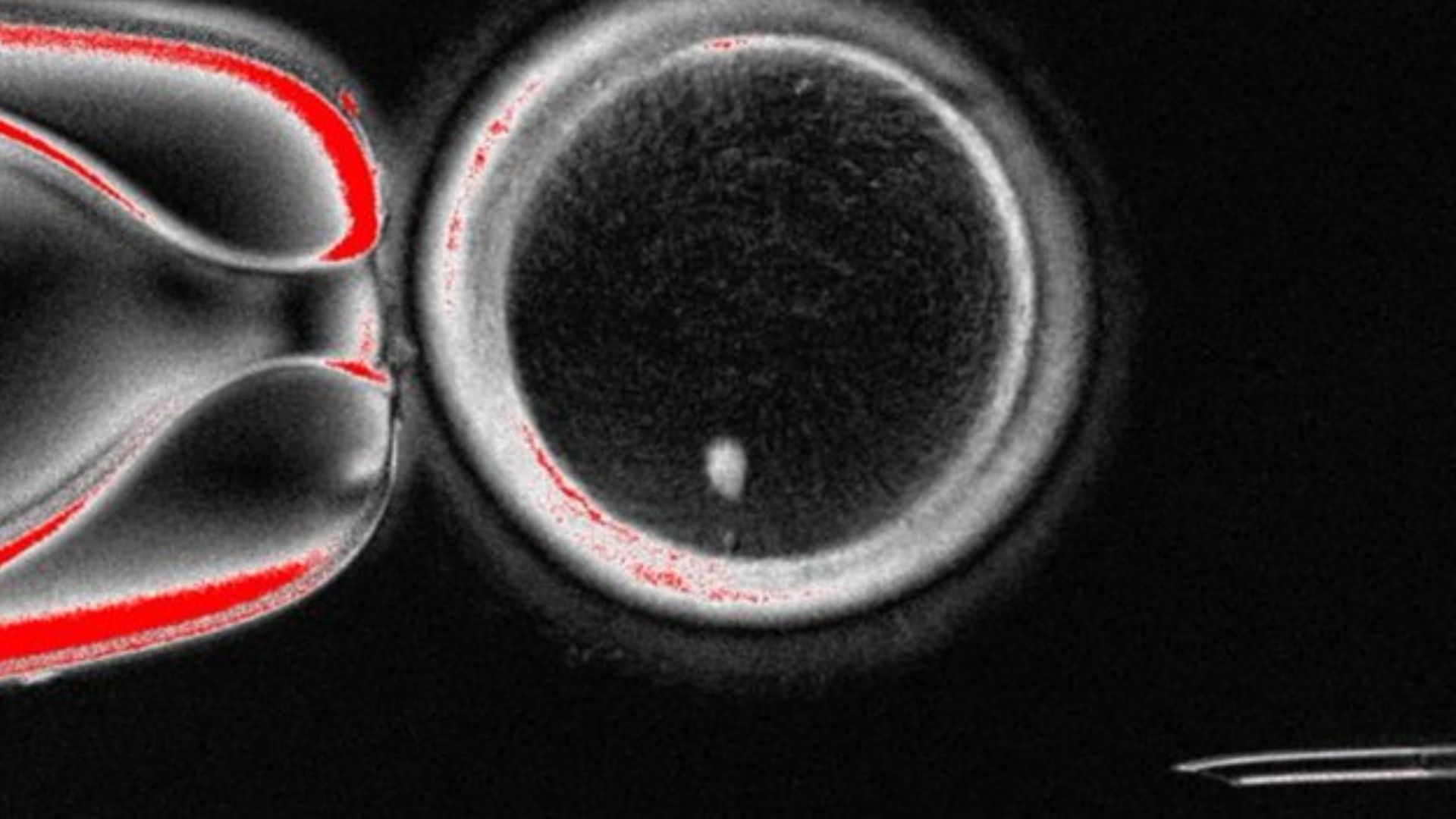

Researchers have successfully produced human eggs from ordinary skin cells. This breakthrough could help millions worldwide, including infertile women and same-sex couples, have genetically related children.
How the Process Works
The study, published in Nature Communications, was led by Shoukhrat Mitalipov at Oregon Health and Science University. Scientists removed the nucleus from a skin cell and inserted it into a donor egg stripped of its own DNA. Then, they programmed the egg to lose half its chromosomes in a process called “mitomeiosis.”
This created 82 immature eggs, known as oocytes. Researchers fertilized some of these eggs in the lab. However, only 9% reached the blastocyst stage, the point where an embryo could be implanted in a womb.
Current Limitations
None of the eggs are suitable for IVF yet. The eggs randomly discarded chromosomes, creating genetic abnormalities. They also skipped an important DNA process called crossing over. Scientists say healthy babies cannot develop from these embryos yet.
Why This Matters
“This was thought impossible,” said Professor Shoukhrat. If perfected, the method could let babies be born without a biological mother. Millions of women unable to conceive could have genetically related children.
Dr. Paula Amato added, “Skin cell DNA can come from anyone older women, cancer survivors, people born without eggs, or even men. It allows them to have genetically related children.” “This could let same-sex male couples have children related to both partners,” she said.
Expert Opinions
Experts praise the breakthrough but urge caution. Dr. Sigal Klipstein said it is a “significant step” toward using skin cells for human reproduction. Professor Roger Sturmey called the research “important and impressive” but stressed public discussion and governance.
Professor Richard Anderson added, “Creating fresh eggs would be a major advance. Safety concerns are critical, but it could help women have their own genetic children.”
Ethical and Legal Concerns
Some experts warn of risks. Professor Amander Clark said, “Skipping meiosis may not be safe for human development.” Ethical concerns include “designer babies” and using someone’s skin cells without consent.
Scientists say more research is needed. The method could take at least a decade to reach practical use. Still, this development marks a major milestone in reproductive science.