
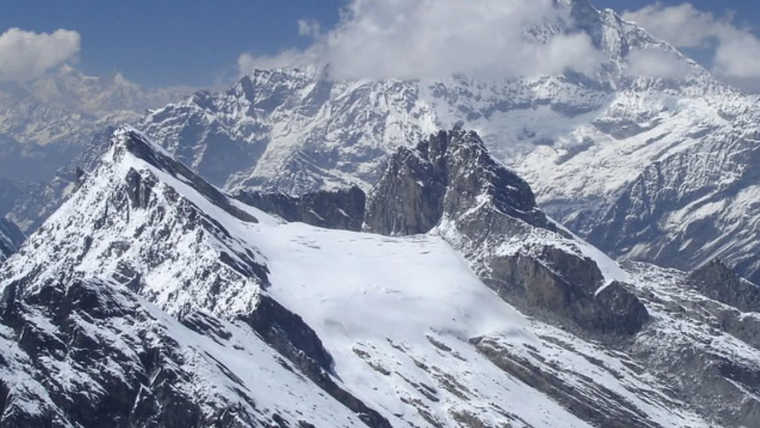

Seven people died when an avalanche swept through Mount Yalung Ri in Nepal. The victims included five foreign climbers and two Nepali guides. The group was part of an expedition climbing the 5,600-meter (18,370-foot) peak.
Armed Police Force spokesperson Shailendra Thapa said the avalanche hit near the base camp at 4,900 meters (16,070 feet). He confirmed that five others were injured and receiving medical care.
Officials have not yet confirmed the identities of the foreign climbers. However, local reports said three were from the United States, one from Canada, and one from Italy.
Bad Weather Slows Rescue Efforts
Rescuers struggled to reach the site due to harsh weather. Snowstorms and poor visibility made it hard to recover the bodies.
“The weather has been deteriorating since last week,” officials said, adding that several Himalayan regions are facing similar conditions.
A rescue helicopter tried to reach the area but had to turn back because of strong winds. “We will try again at dawn on Tuesday,” Thapa said. Rescue teams continued to move on foot toward the site.
Yalung Ri Known as a Beginner’s Peak
Mount Yalung Ri stands at 5,600 meters and is considered a beginner-friendly peak. Many climbers use it to gain high-altitude experience. But recent weather changes have made even lower peaks dangerous.
Experts said unpredictable conditions in the Himalayas have increased the risk of avalanches this season.
Another Avalanche in Italy
Just days earlier, another avalanche killed five German mountaineers in northern Italy’s Ortles mountain range.
The last two victims — a man and his 17-year-old daughter — were found on Sunday morning. The avalanche struck around 4 pm on Saturday near the Cima Vertana peak, at over 3,500 meters (11,500 feet).
Officials said the climbers were ascending unusually late in the day when the avalanche hit.
Climbers Worldwide Mourn Losses
The twin avalanches in Nepal and Italy have shocked the global mountaineering community. These incidents remind climbers how quickly weather can turn deadly, even on less difficult peaks.