

Iran is preparing to permanently disconnect from the global internet, according to a Guardian report citing Iranian digital rights activists. Under this plan, the government will allow only selected individuals to access the international web.
Filterwatch, an organisation that tracks online censorship in Iran, said authorities are already working on a confidential plan. The aim is to make international internet access a “government privilege”. The report relies on information from several sources inside the country.
Meanwhile, state media and officials have signalled that the move is long term. They have warned that unrestricted internet access will not return after 2026.
Who will be allowed access
Under the proposed system, only Iranians who pass government screening or receive security clearance will gain access to a restricted version of the global internet. Amir Rashidi, head of Filterwatch, shared these details.
In contrast, the rest of the population will remain limited to Iran’s national internet. This domestic network runs separately from the global web and blocks most foreign websites and platforms.
As a result, the policy will clearly divide citizens into approved users and those completely cut off from the outside digital world.
Protests trigger nationwide shutdown
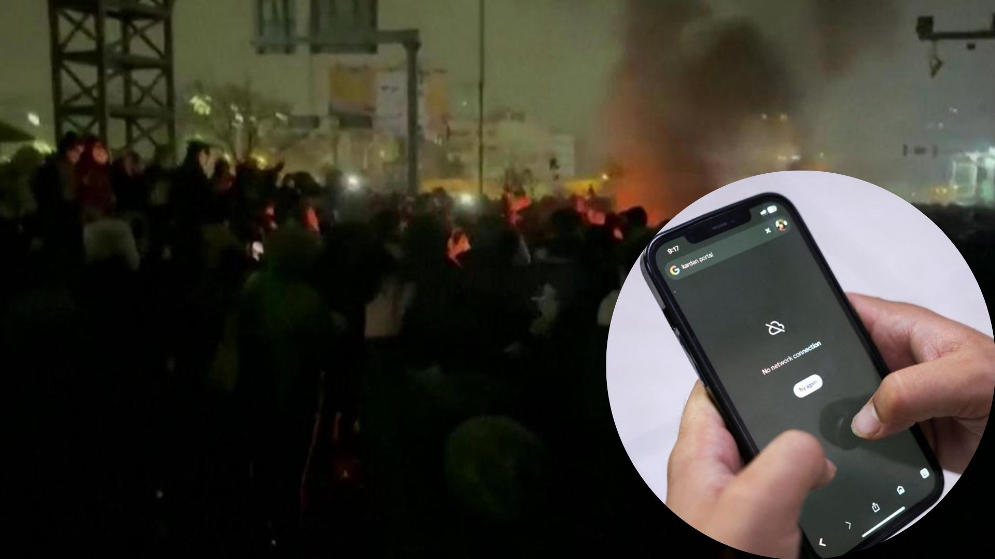
Iran’s most recent internet shutdown began on January 8. It followed nearly two weeks of escalating anti-government protests across the country. Reports say thousands of people were killed before demonstrations slowed due to a harsh security crackdown.
Because of the blackout, information flowing out of Iran has dropped sharply. Experts now describe the shutdown as one of the longest and most severe in history. It has even surpassed Egypt’s 2011 internet blackout during the Tahrir Square protests.
In addition, a government spokesperson reportedly said global internet access will remain blocked until at least Nowruz, the Persian New Year on March 20.
International experts warn of consequences
International observers have raised serious concerns about the long-term impact of a permanent disconnection.
A former US State Department official familiar with internet censorship called the plan “plausible and terrifying”. The official also warned of major economic damage.
“They may attempt it, but the economic and cultural impact would be enormous, and there is a risk of overreach,” the official said.
At the same time, Rashidi said Iranian authorities appear satisfied with the current level of connectivity. He added that officials believe the shutdown has helped them regain control.
Years of planning behind the blackout
This shutdown did not happen suddenly. Instead, it represents the outcome of a 16-year effort by the Iranian government to tighten control over its internet infrastructure.
One key tool in this strategy is “whitelisting”. Through this method, authorities allow select users to access the global internet while blocking it for everyone else.
Researchers from Project Ainita and the Outline Foundation said technology supplied by China likely enabled this system.
How the censorship system operates
The system relies on powerful devices called middleboxes. Authorities attach these devices directly to network cables to monitor and control internet traffic.
Moreover, officials can scale these tools to inspect traffic across the entire country. They can block websites, restrict online services, and disrupt some VPN connections.
“Censorship equipment is embedded across the network, allowing the government to block connections in both directions,” the researchers said.
Growing risk of isolation
Rights groups warn that cutting most citizens off from the global internet will deepen Iran’s isolation. It could also worsen economic pressure and limit access to information during an already tense period.
Overall, the plan signals that Iran’s leadership is moving toward long-term digital control, using policy and technology to restrict online freedom well beyond the current protests.