
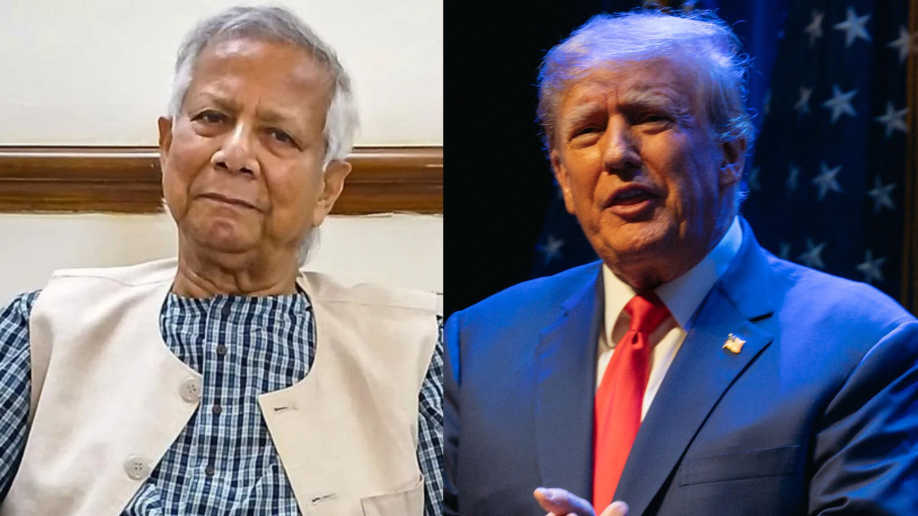

Bangladesh and the United States have reached a bilateral trade agreement that reduces US tariffs on Bangladeshi goods to a fixed rate of 19%. This move is expected to strengthen Bangladesh’s important garment sector, which plays a major role in the country’s economy. The agreement comes after more than nine months of discussions between the two countries.
The deal also includes special provisions for the textile and apparel industry. Some clothing and textile items could enter the US market without any duty if they are made using cotton or synthetic fibres produced in the United States. This condition aims to increase cooperation between industries in both countries.
Announcement by Muhammad Yunus
Bangladesh’s interim chief adviser, Muhammad Yunus, shared details of the agreement on X. He highlighted Washington’s commitment to supporting Bangladeshi exports. He said the US had “committed to establishing a mechanism for certain textile and apparel goods from Bangladesh using US-produced cotton and man-made fiber to receive zero reciprocal tariff in (the) US market.”
This statement underlines the importance of the textile sector and signals hope for exporters who depend heavily on the US market.
Bangladesh, US sign reciprocal tariff agreement
— Chief Adviser of the Government of Bangladesh (@ChiefAdviserGoB) February 9, 2026
WASHINGTON DC, February 9: The Agreement on Reciprocal Tariff between Bangladesh and the United States was signed on Monday. On the Bangladesh side, the signatories were Commerce Adviser Sheikh Bashir Uddin and National Security…
Wider Economic Impact Beyond Textiles
The agreement is not limited to garments. Bangladesh has agreed to open its markets more to American agricultural and industrial products. The country will also work to remove non-tariff barriers. These include changes related to vehicle standards and recognition of regulatory systems. These steps aim to make trade smoother and build stronger economic ties between the two nations.
As a result, the deal could expand cooperation across different sectors and not just focus on clothing exports.
Timely Boost for Economy Before Elections
Trade experts believe the timing of the agreement is important. Bangladesh is preparing for national elections, and its garment exports form the backbone of the economy. The sector provides jobs to millions of people and brings in a large portion of the country’s foreign income.
Lower tariffs could help Bangladeshi products remain competitive in the US market. This could support economic stability at a crucial political moment.
Strategic Influence in the Region
The deal also shows the United States’ growing role in shaping trade policies in South Asia. Washington has made similar agreements with other countries in the region. This move may increase its economic influence and strengthen partnerships across the area.
Political Context Ahead of February 12 Polls
The trade pact comes just days before Bangladesh’s national election on February 12. The election is seen as a key moment for the country’s future, especially after the removal of long-time leader Sheikh Hasina and the major changes in the political landscape.
In this setting, the agreement is not only an economic step but also part of a broader shift taking place in Bangladesh’s political and trade environment.