

Bangladesh held its first parliamentary election since the 2024 removal of Sheikh Hasina after massive student-led protests. Early vote counting shows that the Bangladesh Nationalist Party (BNP)-led alliance is heading for victory.
The results mark a major turning point in the country’s politics.
BNP Wins Comfortable Majority
The BNP has won more than two-thirds of the 299 constituencies where voting took place. Officials postponed polling in one seat after a candidate died.
The alliance has crossed the halfway mark needed to form the government. It now prepares to take power.
Jamaat Alliance and Others
The Jamaat-e-Islami-led alliance has won 70 constituencies, according to unofficial figures reported by ANI early Friday. Independent candidates and smaller parties secured the remaining seats.
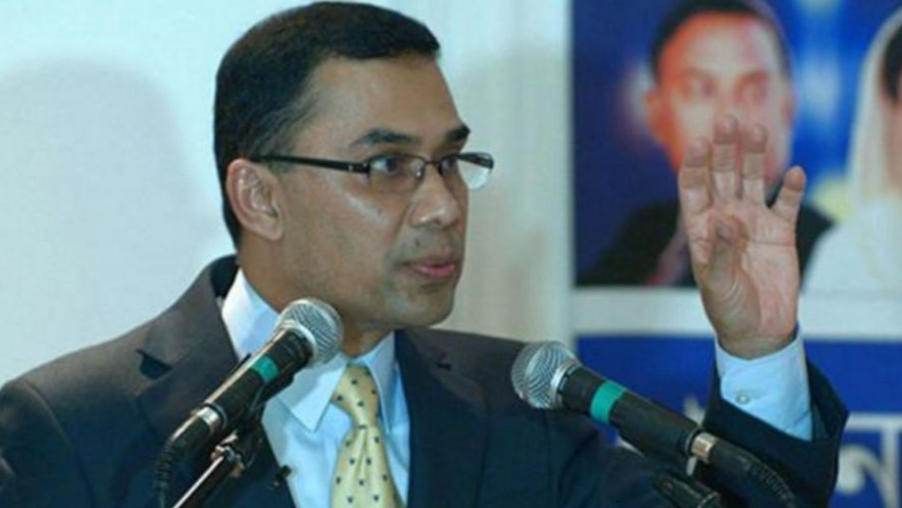
Tarique Rahman Likely to Be Prime Minister
BNP chairman Tarique Rahman is set to become the next prime minister. He is the son of former prime minister Khaleda Zia. He asked party workers to delay celebrations to respect his mother’s passing.
The party has called for prayers for Khaleda Zia after the Friday congregational prayer. Zia remained the strongest rival of Sheikh Hasina for years. The BNP had boycotted the 2024 election.
End of the ‘Battle of Begums’
For decades, Bangladesh politics revolved around the rivalry between Sheikh Hasina and Khaleda Zia. People called it the ‘Battle of Begums.’
Now that phase has ended. Hasina lives in self-exile in India. Authorities barred her Awami League from contesting this election. Hasina has called the vote a farce. However, early results show a clear shift toward the BNP.
Voter Turnout Remains Low
About 128 million people registered to vote. Only around 40 percent cast their ballots on February 12. Officials started counting soon after polling closed at 4:30 pm. Trends appeared around midnight. Authorities expect full results by Friday morning.
Hasina in Exile, Tensions with India
The Awami League remains banned. Sheikh Hasina stays in self-imposed exile in Delhi. A Bangladesh court sentenced her to death over “crimes against humanity” during the 2024 protests. India has not extradited her.
This issue has strained ties between Dhaka and New Delhi.
Interim Government Speaks
"This election is not just another routine vote,” said Muhammad Yunus, who leads the interim government formed after Hasina’s removal.
“The public awakening we witnessed against long-standing anger, inequality, deprivation and injustice finds its constitutional expression in this election,” he added.
Voters Approve July 2024 Charter
Voters also backed constitutional reforms under the ‘July 2024 Charter.’ A majority supported the changes.
The reforms require a neutral interim government during elections. They create a bicameral parliament. They increase women’s representation. Reforms strengthen judicial independence. They also limit the prime minister to two terms.
India Watches Closely
India now faces a delicate situation. For years, it worked closely with Hasina’s government. A BNP-led administration may take a different approach. The party has often shown closeness to Islamist groups. It has also taken a tougher stand on cross-border security.
India has said it will work with whoever the people of Bangladesh choose. Still, Hasina’s presence in India adds tension.
Minority Concerns and Pakistan’s Role
After Hasina left, reports of violence against minorities increased. The Bangladesh Hindu Buddhist Christian Unity Council recorded more than 2,000 incidents between August and December 2024, according to the Associated Press.
India’s foreign ministry said Bangladesh is ignoring “a disturbing pattern of recurring attacks” on Hindus. Bangladesh rejected the claim. It called India’s remarks "systematic attempts" to stoke anti-Bangladesh sentiments.
Meanwhile, Pakistan has strengthened ties with Bangladesh. The two countries resumed direct flights. They are also discussing a possible defence deal. Pakistan and Bangladesh later worked together at the International Cricket Council, which Jay Shah heads.
Despite tensions, India has maintained contact with the BNP and Tarique Rahman. New Delhi hopes to preserve its traditional ties with Dhaka, especially as China seeks greater influence in the region.