
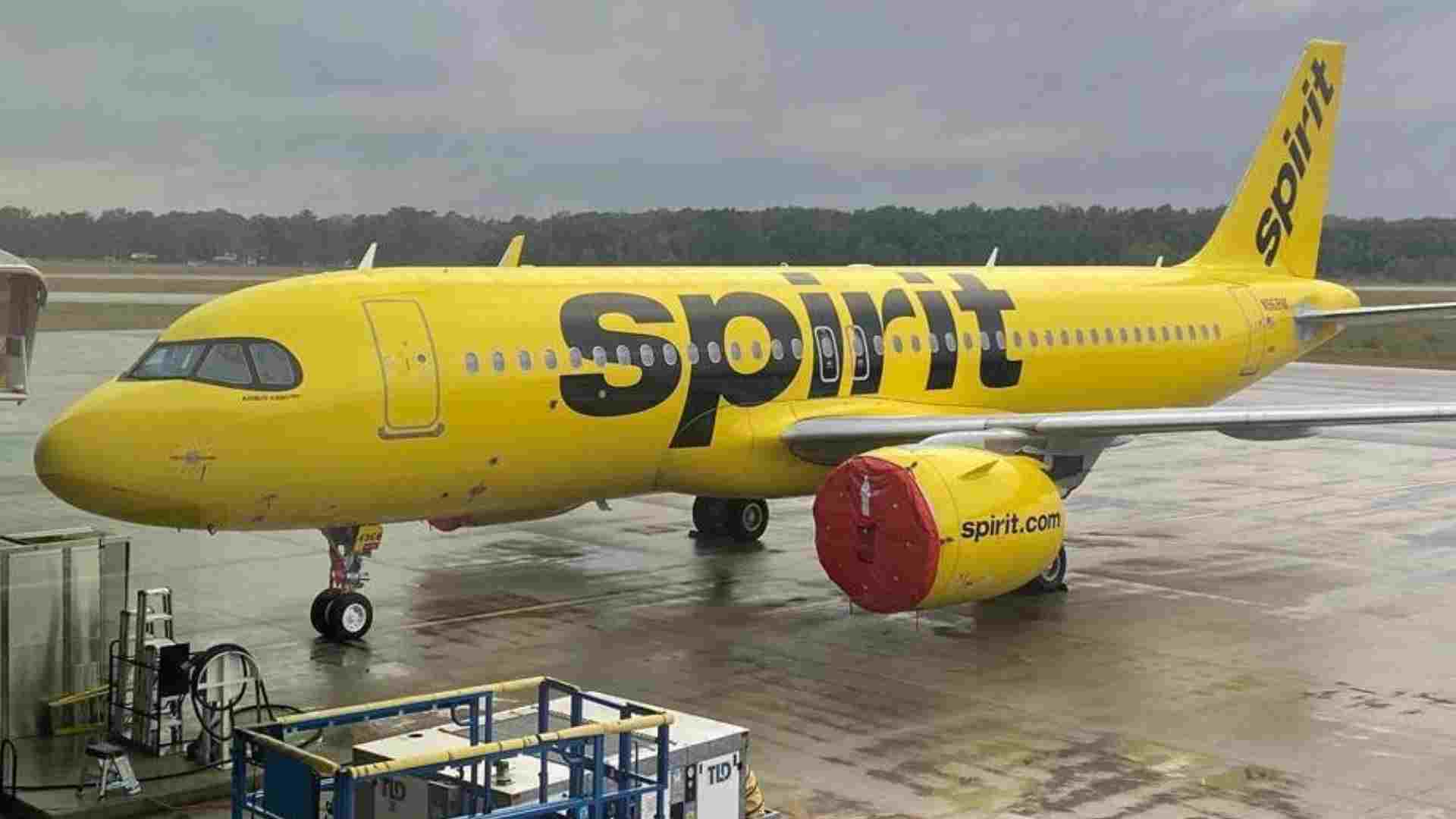

Spirit Airlines has abruptly stopped all operations after more than three decades in service. The airline cancelled all flights and began an immediate shutdown process. In a statement, the company informed passengers: “To our Guests: all flights have been cancelled, and customer service is no longer available."
The airline also said it had tried to continue operations despite growing financial stress, but the situation became unsustainable.
Thousands of Passengers and Jobs Affected
The sudden closure has left thousands of travellers stranded. At the same time, nearly 17,000 employees now face uncertainty about their jobs. This collapse marks one of the most significant airline failures in recent US aviation history.
Financial Struggles Worsen
Spirit had already been under financial pressure. Since 2024, it had filed for bankruptcy twice and was trying to restructure its business while seeking fresh investment.
However, talks with the US government, creditors, and bondholders failed at the final stage. Without financial support, the airline could not continue.
Iran War Drives Fuel Prices Higher
The ongoing conflict involving Iran, the United States, and Israel triggered a sharp rise in global oil prices.
This conflict disrupted energy markets and affected shipping routes through the Strait of Hormuz, a crucial passage that carries nearly 20 percent of the world’s oil supply.
As a result, jet fuel prices surged dramatically. Reports suggest prices almost doubled after the conflict escalated.
Spirit had expected fuel costs to remain around $2.24 per gallon in 2026. Instead, prices jumped above $4.30 per gallon, severely impacting its finances.
Budget Airlines Hit the Hardest
The disruption in oil supply and shipping created a global fuel shortage. Airlines across the world responded by cutting flights, increasing ticket prices, and adding extra fees.
However, low-cost carriers like Spirit were especially vulnerable. Their business model depends on cheap fares and high passenger volumes, leaving little room to absorb rising costs.
Experts had already warned that smaller airlines might collapse if fuel prices stayed high.
Rescue Efforts Fail
According to reports, Spirit sought financial help from the administration of US President Donald Trump, requesting a bailout of around $500 million. Although initial discussions appeared positive, the rescue plan collapsed due to political opposition and lack of support from creditors.
Spirit CEO Dave Davis admitted the company could not secure enough funds.
“Sustaining the business required hundreds of millions of additional dollars of liquidity that Spirit simply does not have and could not procure," he said.
Support for Stranded Passengers
The airline advised customers not to go to airports. It also confirmed that refunds would be processed automatically for bookings made through cards. Meanwhile, the United States Department of Transportation said major airlines would step in to help affected passengers.
Carriers like United Airlines, Delta Air Lines, JetBlue, and Southwest Airlines will offer capped fares and assistance.
End of a Major Budget Airline
Spirit began as a trucking company in Michigan before entering aviation in the 1980s. Over time, it became one of the most recognised ultra-low-cost airlines in the United States. At its peak, the company was valued at nearly $6 billion.
Now, its shutdown highlights how global conflicts and rising energy costs can quickly disrupt industries far beyond the battlefield.