
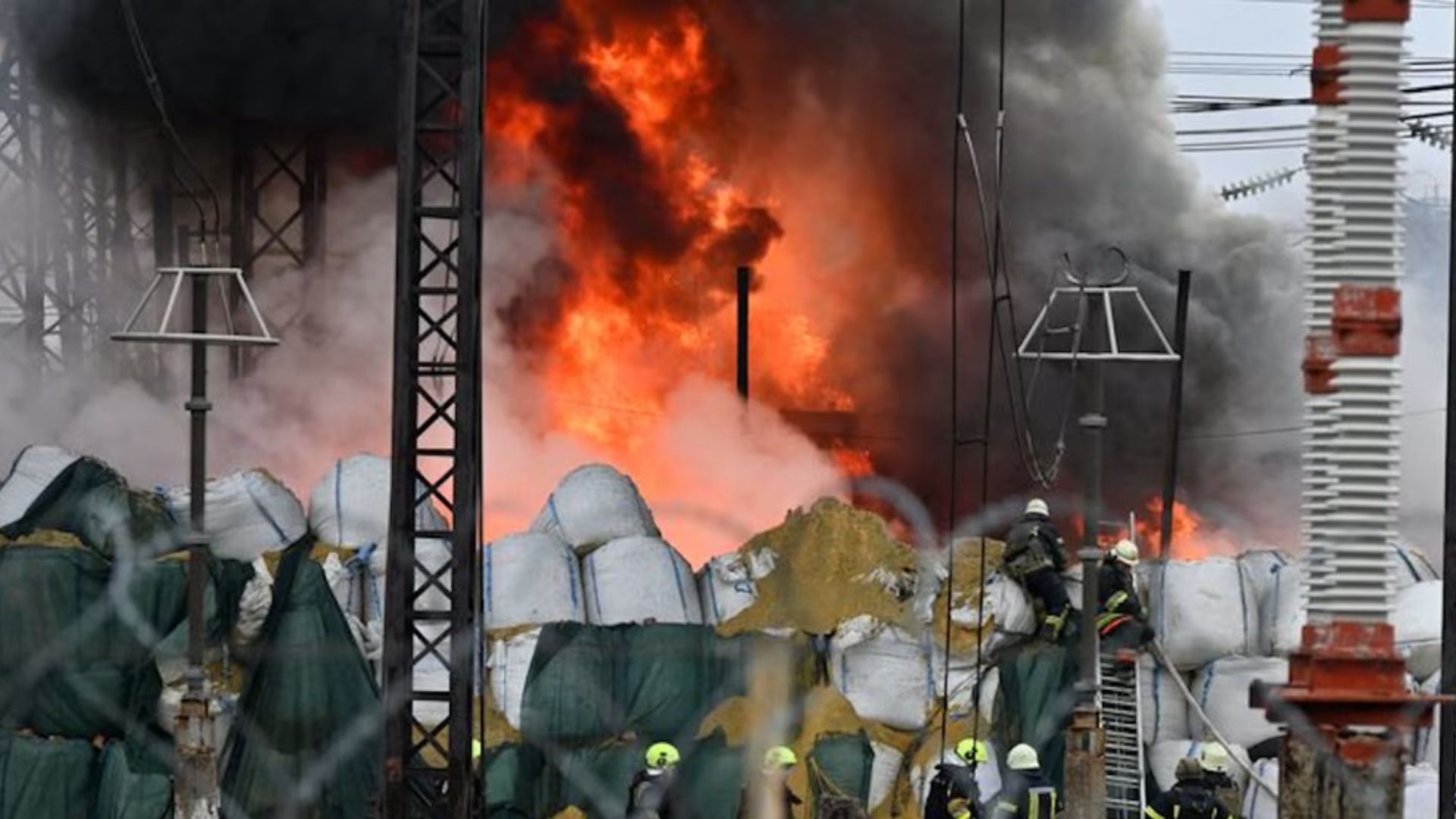

Russian-installed authorities in Crimea suspended civilian gasoline sales on Sunday after a series of Ukrainian attacks further disrupted fuel supplies on the Black Sea peninsula. The move came as Ukraine stepped up strikes on Russian energy infrastructure in occupied Crimea and southern Russia, worsening an already severe fuel shortage in the region.
Fuel Sales Restricted After Deadly Overnight Attack
Sergey Aksyonov, the Kremlin-appointed leader of Crimea, said overnight Ukrainian strikes killed four people and injured 28 others. However, he did not reveal the exact target of the attack. Later, Aksyonov announced that gas stations across Crimea would temporarily stop selling fuel to private individuals and non-state businesses. Instead, authorities will reserve available fuel supplies for essential government operations.
He wrote on social media: “Fuel will be sold only to government agencies that ensure the functioning and security of the Republic of Crimea.” Aksyonov also urged residents not to panic, adding: “I ask everyone to remain calm and to only trust official sources of information.”
Ukraine Targets Key Energy Facilities
Ukraine has repeatedly targeted fuel depots, storage sites and transportation facilities in Crimea over recent weeks. President Volodymyr Zelenskyy confirmed on Sunday that Ukrainian forces had struck a Crimean oil depot as well as an oil transportation facility in Russia's Krasnodar region. He described the operations as part of Ukraine's strategy of applying long-range pressure on Russia's energy sector.
Zelenskyy said: “Russia understands only strength, and our long-range strength is certainly working for peace.” The attacks form part of Kyiv's broader effort to weaken Russia's logistics and energy networks supporting military operations.
Oil Terminal Fire Reported in Southern Russia
Russian officials in Krasnodar region also reported damage from Ukrainian drone attacks. Authorities said a drone strike triggered a fire at a Black Sea oil terminal in the village of Chushka. Officials further reported that another attack struck a ferry, killing one person. The incidents highlighted Ukraine's growing ability to hit strategic infrastructure far beyond the front lines.
Fuel Crisis Deepens Across Crimea
Although Crimea has experienced fuel shortages before due to Ukrainian attacks, officials say the current situation is the most serious since Russia annexed the peninsula in 2014. In late May, authorities introduced strict fuel rationing measures. Drivers were limited to purchasing just 20 liters of gasoline per week through a coupon system. The coupons quickly sold out after becoming available through official messaging channels, forcing many residents to wait in long lines at fuel stations. As shortages worsened, social media platforms became filled with requests for fuel information and advice on where supplies could still be found.
Tourists and Residents Struggle to Find Fuel
The fuel shortage has affected both residents and visitors. Authorities established a special hotline to assist tourists who found themselves stranded because of the lack of available gasoline. Some drivers have attempted to bring fuel into Crimea from Russia's Krasnodar region via the Kerch Bridge. However, regulations limit vehicles to carrying no more than 100 liters of fuel. At the same time, reports indicate that some sellers have begun offering gasoline on the black market at prices nearly double normal market rates.
Kremlin Acknowledges Scale of Crisis
In a rare public admission, the Kremlin has recognized the seriousness of the fuel shortage in Crimea. Russian officials have promised to address the problem quickly, although no clear timeline has been provided for restoring normal fuel supplies. The crisis has exposed the growing vulnerability of Crimea's energy infrastructure as Ukrainian long-range strikes become increasingly frequent and effective.
Ukraine Seeks to Increase Pressure on Russia
Ukraine's recent attacks have demonstrated its ability to inflict significant damage on Russian-controlled infrastructure despite ongoing battlefield challenges. Military analysts say the strikes have forced Moscow to divert resources toward protecting critical energy and transport networks. Meanwhile, Russia's recent military advances have slowed considerably. The conflict recently reached another grim milestone. On June 11, Russia's full-scale invasion entered its 1,569th day, surpassing the duration of World War I.
Energy Strikes Become Key Part of the War
As fighting continues, Ukraine appears increasingly focused on targeting Russia's economic and logistical capabilities rather than relying solely on front-line operations. The latest attacks on fuel depots, oil terminals and transportation facilities have deepened shortages in Crimea and created new challenges for Russian authorities.
With civilian fuel sales now suspended and supplies tightly controlled, the situation underscores how energy infrastructure has become a central battleground in the ongoing conflict between Russia and Ukraine.