
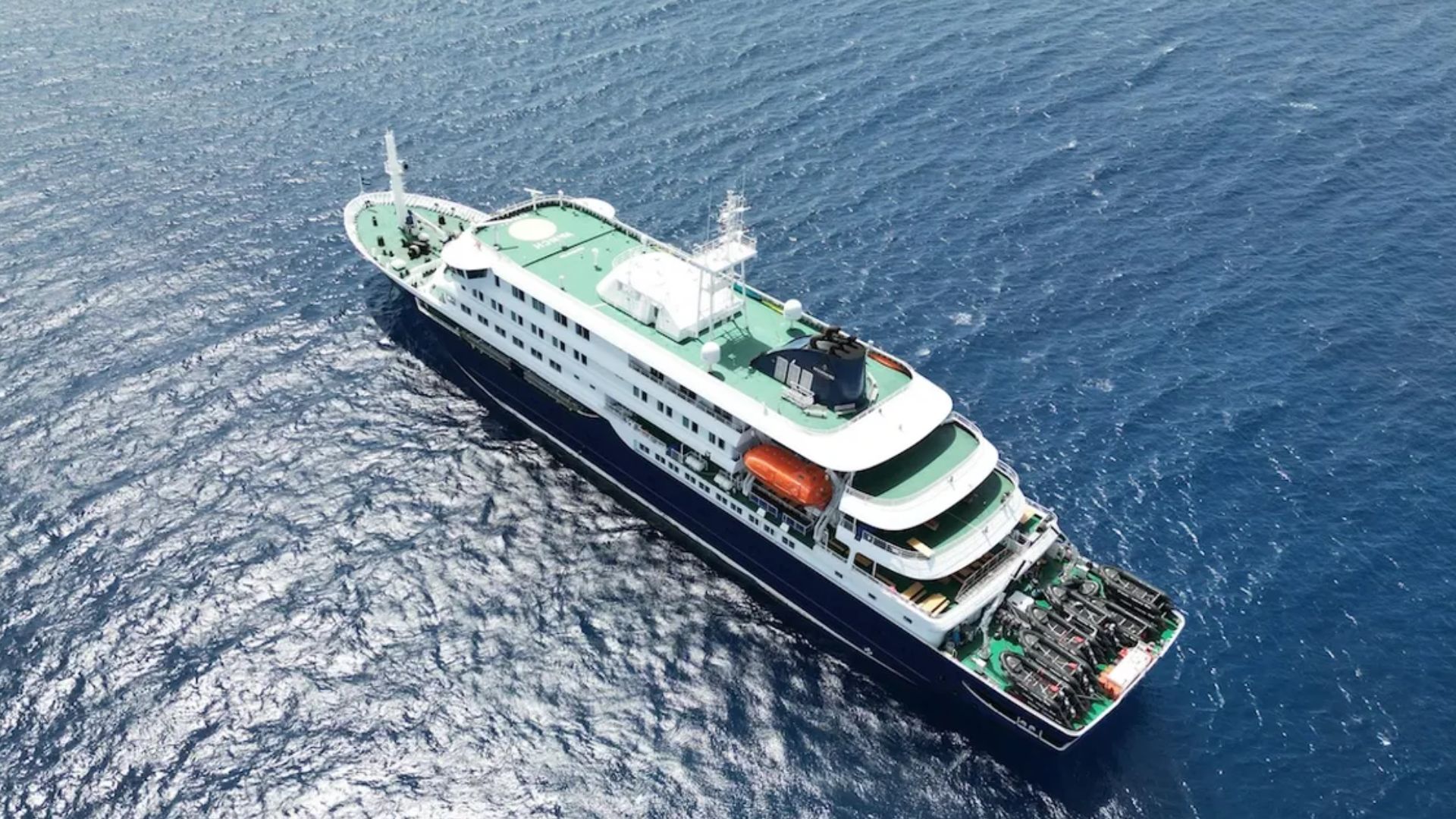

The World Health Organization (WHO) has officially declared the deadly hantavirus outbreak linked to the cruise ship MV Hondius over after the final person under quarantine tested negative and returned home. Although the outbreak has ended, health experts say investigations will continue to better understand the virus and improve global preparedness for future outbreaks. The outbreak attracted worldwide attention after several passengers became infected during the voyage, resulting in multiple deaths and prompting an international public health response.
WHO Confirms Outbreak Has Officially Ended
WHO Director-General Tedros Adhanom Ghebreyesus announced on Thursday that the final individual exposed to the virus had completed quarantine without developing the disease. “Today, the final contact of a person exposed to hantavirus on the cruise ship MV Hondius completed their quarantine period, tested negative and returned home,” WHO chief Tedros Adhanom Ghebreyesus told a press conference.
“No further cases have been reported since May 25. “We are therefore very pleased to say that WHO considers the outbreak of hantavirus over.” The outbreak resulted in 12 confirmed cases and one probable case. Three people died after contracting the virus.
MV Hondius Voyage Triggered Global Health Alert
The Dutch-flagged polar expedition ship MV Hondius began its journey on April 1 from Ushuaia in Argentina. The cruise visited several remote islands in the South Atlantic Ocean, including Tristan da Cunha, before sailing towards Tenerife in Spain's Canary Islands.
Authorities evacuated the remaining passengers in Tenerife after the outbreak was detected. The ship later arrived at Rotterdam in the Netherlands on May 18. Following extensive cleaning and disinfection, officials cleared the vessel to resume operations on May 30.
Health Officials Traced Hundreds of Contacts
WHO said health authorities launched a massive international contact-tracing operation following the outbreak. More than 650 people who had possible exposure to the virus were identified and monitored across 33 countries and territories. The coordinated effort helped prevent further transmission and ensured that no additional cases emerged after May 25.
WHO Launches International Study on Hantavirus
Although the immediate health emergency has ended, WHO said scientists are now focused on learning more about the disease. Tedros announced that the organisation is coordinating a multinational research project involving 21 countries.
“We are also coordinating a study involving 21 countries to understand how the disease develops, which will support the development of diagnostics, therapeutics, and vaccines for future outbreaks,” Tedros said. Researchers hope the study will improve future diagnostic tests, treatments and eventually lead to the development of vaccines.
No Vaccine Exists for Hantavirus
Hantavirus is a rare disease that is usually spread through infected rodents. Currently, there are no approved vaccines or specific antiviral treatments available for the virus. The outbreak aboard MV Hondius involved the Andes strain of hantavirus, which is unique because it is the only known type capable of spreading directly from one person to another.
Health experts initially believed one passenger became infected while travelling through parts of Argentina where the virus is commonly found. However, Argentina's health ministry later reported that an investigation in another province failed to find infected rodents, leaving questions about the exact source of the outbreak.
Experts Warn Hantavirus Still Remains a Threat
WHO officials stressed that although this specific outbreak has ended, hantaviruses continue to pose a health risk in several parts of South America. Diana Rojas Alvarez, WHO's chief for high-impact epidemics, said the cruise ship outbreak no longer represents a public health emergency. “However, Andes virus and other hantaviruses are still a public health threat for South America and some other endemic areas,” she said. She added that countries must continue monitoring the virus, strengthen preparedness plans and work closely with local communities to reduce future risks. “The work on hantaviruses needs to continue over time,” she said.
Outbreak May Boost Global Pandemic Preparedness
WHO also hopes that the lessons learned from the MV Hondius outbreak will encourage member states to finalise the remaining parts of the Pandemic Agreement later this month. Officials believe completing the agreement would strengthen international cooperation, improve outbreak response and help countries prepare more effectively for future global health emergencies.