
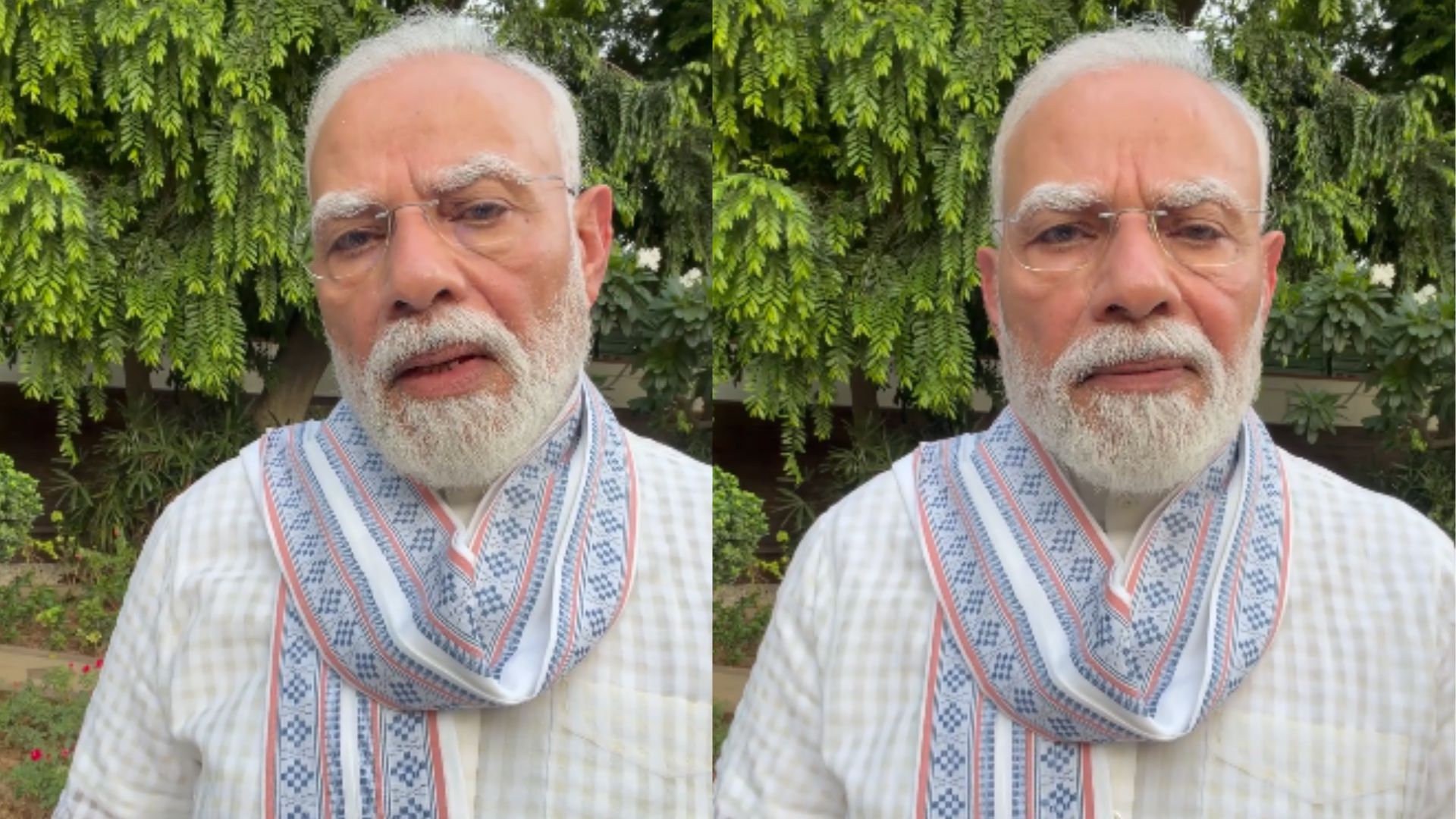

Prime Minister Narendra Modi on Sunday announced the formation of a high-powered task force, led by Nandan Nilekani, to prepare a comprehensive roadmap for examination reforms in India. The move comes as the Centre plans to tighten laws against examination malpractices and introduce long-term structural changes to improve the country's testing system.
Nandan Nilekani to Lead Examination Reform Panel
In a video message, Prime Minister Modi said the newly formed task force will focus on bringing comprehensive reforms to the examination process and ensuring a more reliable and transparent system for the future. He explained that while the government has already announced fast-track courts to deal with cases involving examination irregularities and is preparing to introduce a new law against paper leaks, the task force has a broader objective. It will examine the overall examination framework and recommend long-term improvements.
HIGH POWERED TASK FORCE on examination reforms under the leadership of Shri Nandan Nilekani constituted.@NandanNilekani pic.twitter.com/mMpmPdIEL5
— Narendra Modi (@narendramodi) July 26, 2026
Government to Introduce Tougher Law Against Paper Leaks
The announcement comes just a day before the Union government is set to introduce a Bill in Parliament that proposes stricter punishment for those involved in examination paper leaks. Under the proposed legislation, individuals found guilty could face stronger legal action, including financial penalties of up to ₹10 crore. The government aims to curb examination fraud and restore public confidence in competitive examinations through stricter enforcement.
Task Force to Include Top Experts
According to government sources, the high-powered task force will bring together experts from different fields to redesign the country's examination system, with a special focus on improving technology and introducing structural reforms. The panel is expected to include former ISRO Chairman S. Somnath, former Intelligence Bureau Director Tapan Deka, IIT Chennai Director V. Kamakoti, former Education Secretary Anita Karwal, and logistics expert Amrit Lal Meena. Together, they will work on strengthening the National Testing Agency's (NTA) examination process by making it more secure, transparent and efficient through the use of advanced technology and policy reforms.Dharmendra Pradhan Resigns After Weeks of Protests
Prime Minister Modi's announcement came a day after former Union Education Minister Dharmendra Pradhan stepped down from his post following weeks of large-scale protests led by the Cockroach Janta Party. His resignation marks a significant political development, as it is the first time during the National Democratic Alliance (NDA) government's three terms that sustained public protests have resulted in the resignation of a Union minister.
Pralhad Joshi Takes Charge of Education Ministry
Following Dharmendra Pradhan's resignation, Union Consumer Affairs Minister Pralhad Joshi has been given additional responsibility for the Education Ministry. On Sunday, Joshi officially assumed charge at Kartavya Bhavan. Soon after taking over, he chaired a review meeting with officials to assess the implementation of various programmes under both the Department of School Education and the Department of Higher Education. Officials said the meeting focused on reviewing ongoing schemes and ensuring that educational initiatives continue without disruption during the leadership transition.
Government Eyes Long-Term Examination Reforms
With a stricter anti-paper leak law on the way and a high-level expert committee now being formed, the Centre is looking to strengthen India's examination system through both immediate legal measures and long-term institutional reforms. The proposed changes are expected to improve transparency, reduce malpractice and modernise the examination process with the help of technology and expert recommendations.