Russia expects BRICS members to overcome their differences over the West Asia conflict and reach an agreement on the joint documents for the upcoming summit in India.
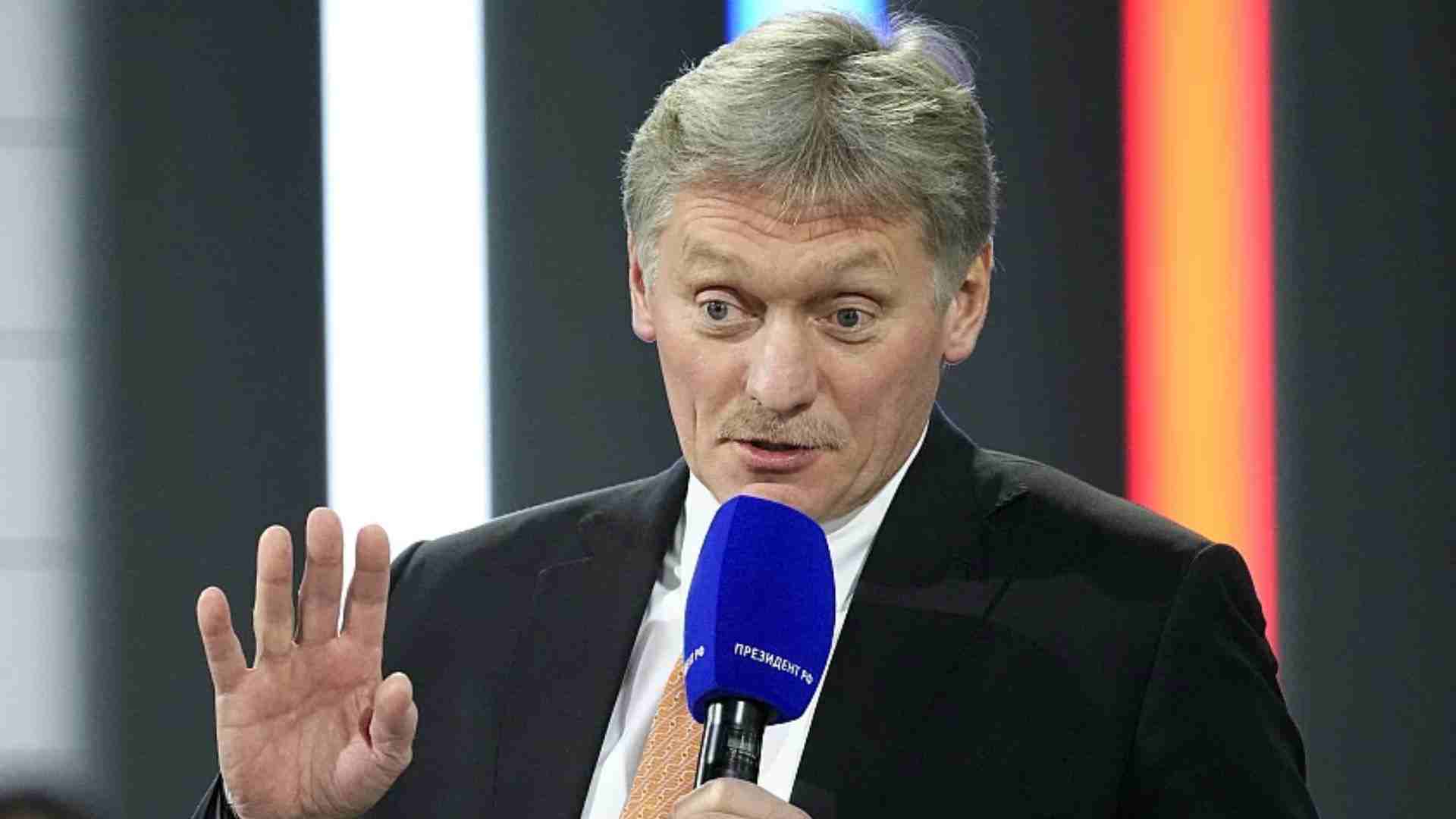
Kremlin spokesperson Dmitry Peskov said Moscow remains hopeful that Brics countries will find wording acceptable to both Iran and the United Arab Emirates (UAE). The two countries have taken different positions on the West Asia conflict, creating difficulties during preparations for the summit. India is set to host the Brics Summit on September 12 and 13.
Brics summit to focus on politics, economy and culture
Peskov said the summit will focus on three major areas of cooperation. These include politics and security, economy and finance, and cultural and humanitarian exchanges.
Security cooperation will also receive attention. Brics leaders are expected to discuss joint efforts to tackle drug trafficking and terrorism. They will also consider ways to improve the security of communication networks and high-tech systems.
However, disagreements between Iran and the UAE have complicated preparations for the leaders’ meeting. Brics Sherpas are currently meeting in New Delhi to finalise the draft declaration that leaders will adopt at the summit. People familiar with the discussions said differences remain between Iran and the UAE over how the declaration should describe the situation in West Asia.
Russia supports consensus on Brics declaration
Peskov said Russia wants Brics members to reach a compromise that respects the interests of both Iran and the UAE. He also said Moscow is prepared to support efforts to improve relations between the two countries. Russia considers both Iran and the UAE friendly nations.
“The UAE and Iran – understandably there are contradictions in their positions and understandably they’re now experiencing problems in their bilateral relations,” Peskov said. “We stand for security in the region, we stand for mutual trust and we deny any aggressive actions in the region and we hope that sooner or later the situation will be normalised.”
Peskov acknowledged that the dispute is affecting the Brics process.
“You ask if it influences the processes within Brics. Yes, of course, it has a negative impact and it [makes] the work of drafting the papers, the declaration more complicated. But we have very talented diplomats, and we have very talented diplomats on the side of the Indian presidency, and we have no doubt that necessary phrasings will be found to satisfy the national interests of both countries concerned.”
Brics foreign ministers failed to issue joint statement
The differences between Iran and the UAE had already affected a Brics ministerial meeting in May. Brics foreign ministers failed to agree on a joint statement after tense exchanges between the two sides brought their differences into the open.
India, which chaired the meeting, later issued a chair’s statement and an outcome document. However, the documents contained two paragraphs on which the participating countries did not reach consensus. The latest disagreement could therefore become another test for Brics as the expanded grouping attempts to maintain unity on major international issues.
Brics expands cooperation across key sectors
Peskov highlighted the broad 8of areas in which Brics members are working together. He pointed to cooperation in security, space and the reform of international institutions such as the United Nations. Food security, technology and artificial intelligence are also among the areas being discussed.
Peskov mentioned the proposed creation of a “Brics brain exchange” as part of efforts to strengthen cooperation in technology and knowledge. Other priorities include transportation and connectivity, energy and healthcare. According to Peskov, the grouping has numerous initiatives that could strengthen cooperation among its members despite political differences.
Russia says 90 per cent of Brics transactions use national currencies
Peskov also highlighted growing financial cooperation among Brics countries. He said Russia now conducts 90 per cent of its transactions with Brics countries using national currencies.
“The financial sphere is of great importance. Russia recently reached a level of 90 % of all transactions with Brics countries being made in national currencies…It’s not because we are aiming for de-dollarisation or getting rid of US dollars,” Peskov said. He said Russia remains open to different payment methods as long as they are acceptable to participating countries.
“To the contrary, we’re open to every acceptable method of payment. Certain countries are using some national currencies as a tool for political oppression – they’re introducing sanctions based on their national currencies. So if they don’t let us use their money, we use our own money,” he said, arguing that the US itself is “ruining trust” in the dollar as a reserve currency.
Peskov said declining confidence in the US dollar could encourage countries to rely more heavily on their own currencies. “The more the trust is ruined, the more the trust is going in favour of national currencies…All the countries are doing what is more favourable for them. If it’s more favourable to use national currencies, they will do more and more payments in national currencies,” he said.
Russia rejects claims that Brics is anti-West
Moscow also rejected the idea that Brics is designed to oppose Western countries. Peskov said Russia and India share the same position on the issue. He described Brics as a “club” without a formal charter and said the grouping does not exist to target countries outside it.
“Brics is for Brics members and Brics is for those countries who share the Brics ideology. And Brics is not against any third party.” The comments come amid growing international attention on Brics and its expanding membership.
Major leaders set to attend India summit
Several major leaders are expected to attend the Brics Summit in India. Russian President Vladimir Putin, Chinese President Xi Jinping and Iranian President Masoud Pezeshkian are among the leaders scheduled to participate.
Leaders from other important Brics members, including South Africa and Egypt, are also expected to attend. The summit’s outreach session will include leaders from partner countries such as Belarus, Vietnam, Malaysia, Thailand and Uzbekistan. Their participation highlights the growing reach of the grouping beyond its core members.
Brics expands to 11 members
Brics initially consisted of Brazil, Russia, India, China and South Africa. The grouping expanded significantly in 2024. Egypt, Ethiopia, Iran, the UAE and Saudi Arabia joined the group that year. Indonesia became a member in 2025.
However, Saudi Arabia’s top leadership has not attended a Brics summit since 2024. The expansion has transformed Brics into a much larger grouping of emerging economies with growing economic and geopolitical influence.
The 11-member bloc now represents around 49.5 per cent of the world’s population, about 40 per cent of global GDP and nearly 26 per cent of global trade. The upcoming India-hosted summit will therefore be closely watched for signs of unity among members, particularly on sensitive geopolitical issues such as the West Asia conflict.