
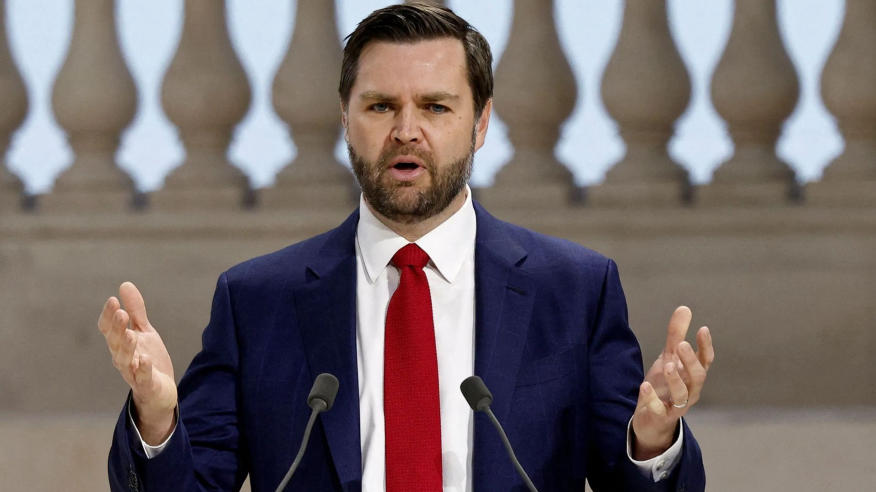

“If the robots were coming to take all of our jobs, you would see it already,” said US Vice President JD Vance as he challenged the fear that artificial intelligence will cause mass unemployment. Speaking at the AI Action Summit in Paris, Vance strongly rejected the idea that AI will wipe out jobs on a large scale.
He argued that if such a shift were truly happening, clear signs would already be visible. His comments support the Trump administration’s belief that AI can help workers instead of replacing them.
AI Will Support Workers, Not Replace Them
Vance stated that AI is a tool that will enhance human labor, not eliminate it. He disagreed with tech leaders who often present gloomy predictions about machines taking over. He said, “Too many leaders in the AI industry, when they talk about this fear of replacing workers, miss the point.”
Instead, he believes AI will boost productivity, bring more wealth, and improve freedom. “AI, we believe, is going to make us more productive, more prosperous, and more free,” he added.
Focus on Evolution, Not Destruction
According to Vance, the workforce is not heading toward a sudden collapse. Instead, he expects gradual changes in how people work. He said AI will lead to job evolution—not destruction. While some roles might change, new ones will emerge that require different skills.
He explained that AI will expand human ability and create fresh job opportunities in new sectors.
A Call for Evidence, Not Panic
Vance’s remarks come at a time when debates over AI’s effect on society are growing louder. Ethical issues and fears about economic disruption are fueling anxiety across industries.
However, Vance urged people to look at the facts and avoid jumping to conclusions. He said it’s important to follow the data and watch for real changes in the labor market before assuming the worst.
His message was clear: instead of fearing the future, the world should focus on preparing for it through skill-building and innovation.