
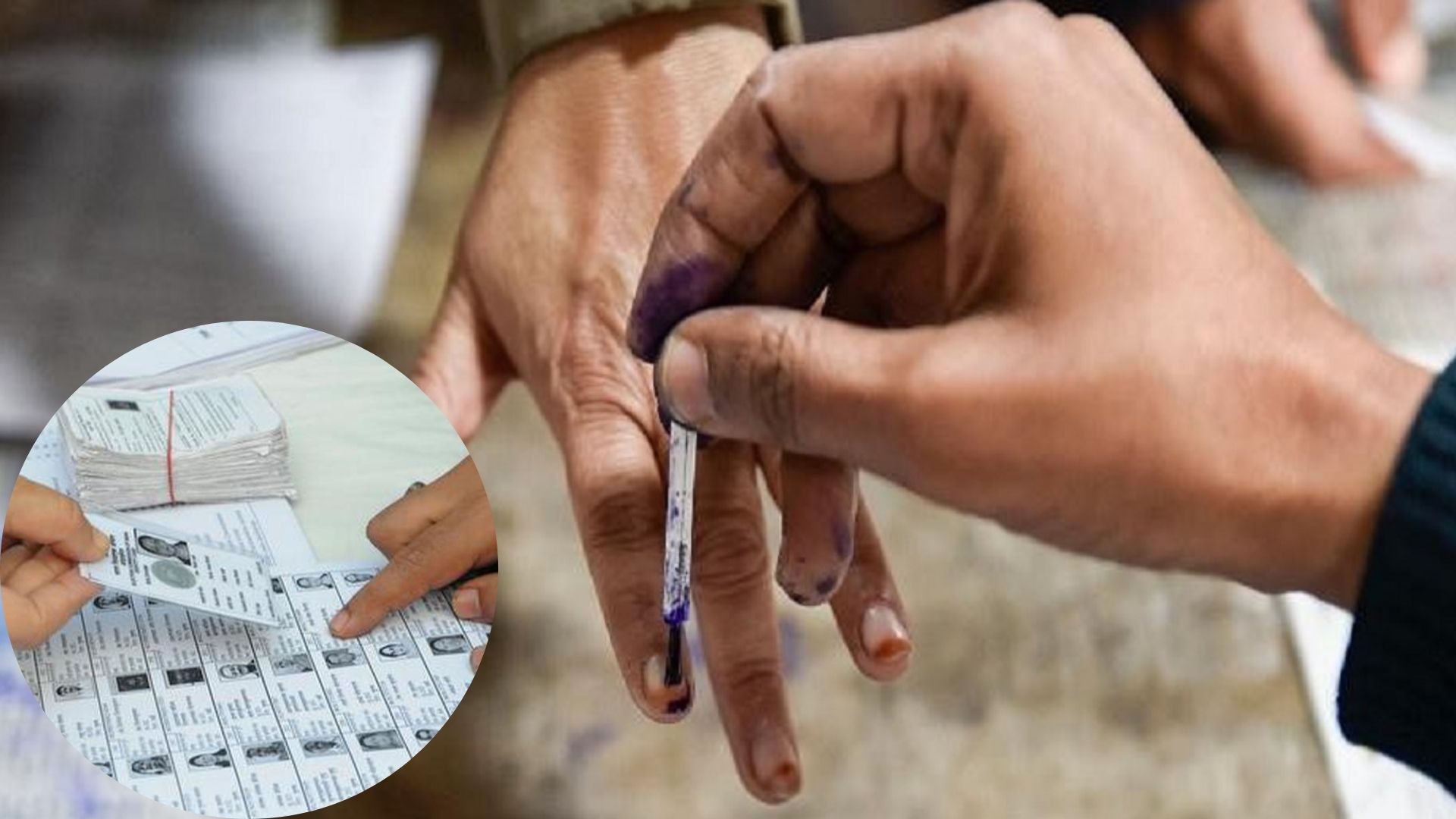

Voting has begun for the Maharashtra civic elections, which are seen as politically significant across the state. Polling is taking place for 2,869 seats across 893 wards in 29 municipal corporations. These include major civic bodies such as the Brihanmumbai Municipal Corporation (BMC).
The elections will determine the political future of 15,931 candidates. Of these, around 1,700 candidates are contesting in Mumbai, while 1,166 are in the fray in Pune. A total of 3.48 crore voters are eligible to cast their ballots in this round of polling.
Major cities and civic bodies in focus
Several key municipal corporations are going to the polls. These include Mumbai, Pune, Pimpri-Chinchwad, Kalyan-Dombivli, Vasai-Virar, Thane, Nagpur, Solapur, Kolhapur, Amravati and Parbhani, among others.
Among all these contests, the BMC election is being closely watched due to its political importance and long history.
Polling schedule and security arrangements
Polling began at 7:30 am on January 15 and will continue until 5:30 pm. Authorities have made extensive security arrangements to ensure a peaceful voting process.
In Mumbai alone, more than 25,000 police personnel have been deployed. This includes senior officers to oversee law and order during polling. The election results will be announced on January 16.
BMC prepares counting centres and polling stations
In a press release issued on Wednesday, the Brihanmumbai Municipal Corporation said that Electronic Voting Machines (EVMs) and other election materials were distributed from 23 divisional centres across Mumbai.
The civic body also said that every counting centre has secure strong rooms to store election materials. Arrangements have been made to maintain transparency during the counting process.
To boost voter turnout, authorities have introduced several initiatives. These include decorated polling stations, pink booths, selfie points and dedicated media facilitation centres.
Mumbai battle draws maximum attention
The contest for the BMC has turned into a fierce political battle. The BJP-led Mahayuti alliance is facing a strong challenge from the reunited Thackeray cousins. Raj Thackeray is leading the Maharashtra Navnirman Sena (MNS), while Uddhav Thackeray heads Shiv Sena (UBT).
Other parties such as the Nationalist Congress Party (NCP), NCP (SP), Congress and the Samajwadi Party are also contesting the elections.
For 26 consecutive years, the undivided Shiv Sena controlled the BMC. In the previous civic polls, the BJP won 82 seats, narrowly trailing Shiv Sena’s 84 seats in 2017.
Campaigning ends ahead of polling
Election campaigning ended on Tuesday. On the final day, Maharashtra Chief Minister Devendra Fadnavis held a roadshow while campaigning for the Nagpur Municipal Corporation elections.
Civic issues dominate BMC elections
Local civic problems have taken centre stage in the BMC contest. These issues include frequent waterlogging during the monsoon, worsening traffic congestion and growing pressure on public transport.
Other concerns include pothole-ridden roads, declining air quality in Mumbai and overcrowding on buses and trains.
Alliances shape the political contest
The civic elections have also been marked by important political alliances. The Thackeray cousins came together after nearly two decades, following their split in 2005.
In western Maharashtra, Ajit Pawar entered into an alliance with his uncle’s Nationalist Congress Party (SP) for key civic bodies such as Pune, Pimpri-Chinchwad and Parbhani.
Promises aimed at voters
Political parties have made several voter-focused promises during the campaign. The Mahayuti alliance has promised a 50 per cent concession for women travelling on BEST buses.
Meanwhile, the Shiv Sena (UBT)–MNS alliance has promised a monthly allowance of ₹1,500 for women domestic workers.