
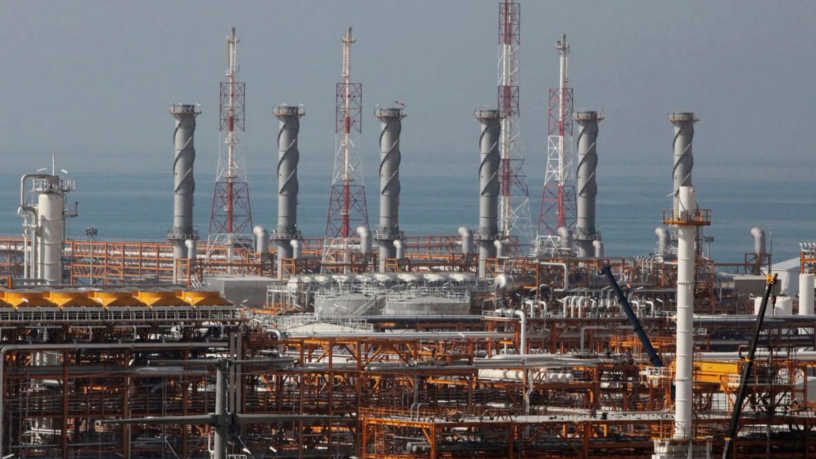

Energy facilities at Iran’s South Pars gas field were hit in a fresh round of missile strikes by the United States and Israel on Monday, according to Iranian state media.
This is not the first attack on the site. Israel had earlier targeted the gas field last month, damaging important infrastructure. That strike triggered Iranian retaliation against Gulf energy hubs, including Ras Laffan LNG complex in Qatar.
World’s Largest Gas Field at Risk
The South Pars field lies under the Gulf and is the largest gas reserve in the world. It is shared between Iran and Qatar.
On the Iranian side, it is known as South Pars. On the Qatari side, it is called the North Field or North Dome. Iran depends heavily on it for domestic energy needs, while Qatar uses it to supply liquefied natural gas (LNG) to global markets.
Explosions Reported in Jordan
Meanwhile, multiple explosions were reported near US military headquarters in Jordan, according to Tasnim News Agency. This development suggests that the conflict may be spreading further across the region.
Iran Rejects Ceasefire Condition
A senior Iranian official told Reuters that Tehran has received a ceasefire proposal. However, Iran made it clear that it will not reopen the Strait of Hormuz in exchange for a “temporary ceasefire”.
Proposal Still Under Discussion
Sources said both Iran and the United States have been presented with a proposal to stop the fighting. The plan could come into effect soon and may lead to reopening the Strait of Hormuz.
However, disagreements over key conditions continue to delay any breakthrough.
Situation Remains Tense
The situation remains highly volatile. Attacks on critical energy infrastructure and stalled ceasefire talks are increasing the risk of a wider regional conflict, with serious implications for global energy supply.