
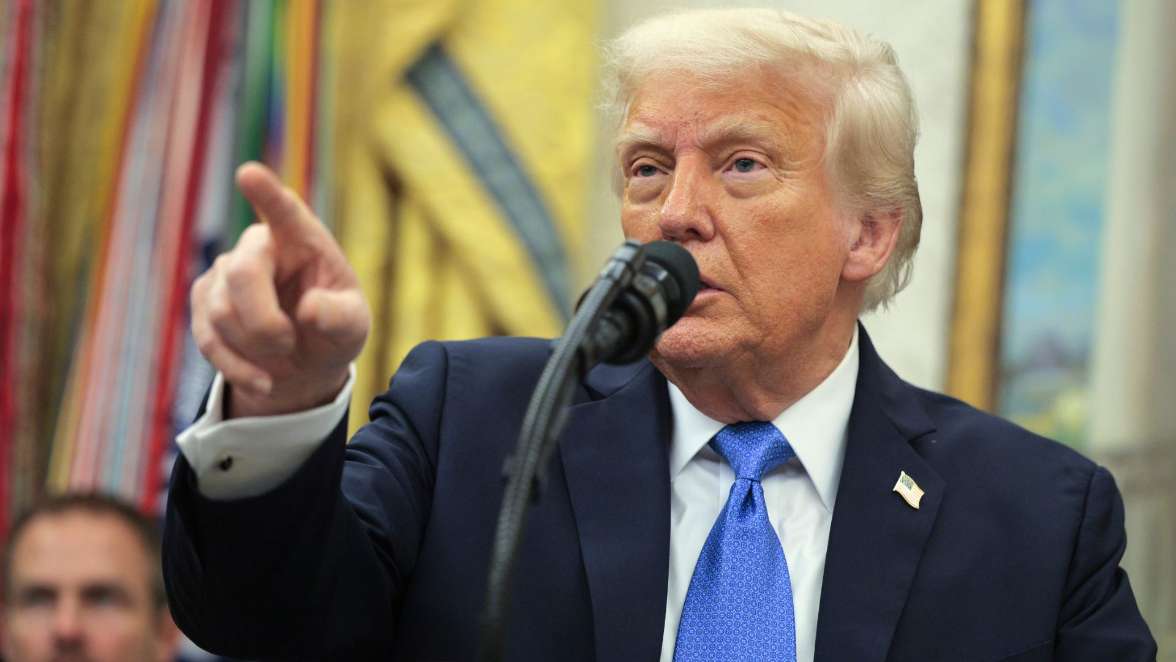

US President Donald Trump announced that the ceasefire with Iran will continue indefinitely, just a day before it was due to end. This decision came as plans for a new round of talks between the two sides collapsed.
At the same time, Vice President JD Vance was expected to travel to Pakistan to restart negotiations. However, the White House confirmed that the visit was cancelled following the ceasefire extension.
White House cancels Vance’s Pakistan visit
In an official statement, the White House said that since the president decided to extend the ceasefire and is waiting for a proposal from Iran, Vance and the US negotiation team will not travel to Pakistan.
The administration did not provide further details on whether face-to-face talks might happen later.
Ceasefire extended on Pakistan’s request
Trump said he extended the ceasefire after a request from Pakistan, which is acting as a mediator in the conflict. He mentioned that Pakistan’s Prime Minister Shehbaz Sharif and Army Chief Asim Munir urged him to delay any military action.
According to Trump, they asked for more time so that Iran could prepare a “unified proposal” for negotiations.
Even though the ceasefire remains in place, Trump made it clear that US pressure will continue. “I have therefore directed our Military to continue the Blockade and, in all other respects, remain ready and able, and will therefore extend the Ceasefire until such time as their proposal is submitted, and discussions are concluded, one way or the other,” he said in a Truth Social post.
Iran demands release of seized ship
Meanwhile, Iran has raised concerns at the United Nations over US actions. Iran’s UN Ambassador Amir Saeed Iravani called for the immediate release of the Iranian commercial vessel Touska.
In a letter sent to UN Secretary-General Antonio Guterres and the Security Council president, Iravani expressed “urgent concern” and accused the US of violating international law by targeting Iranian commercial ships.
Confusion over ceasefire extension
However, reports from Iran’s semi-official Tasnim news agency claimed that Tehran did not request any extension of the ceasefire. The report also said Iran will not reopen the Strait of Hormuz as long as the US naval blockade continues.
Ongoing tensions and failed talks
The latest developments highlight continued tensions between Washington and Tehran since both sides agreed to a temporary truce on April 7. Since then, disagreements over key issues have disrupted progress, including disputes over Iran’s nuclear program and US demands.
A previous round of negotiations had already failed, with US officials saying Iran refused limits on its nuclear activities, while Iranian leaders argued that Washington made unacceptable demands.
Overall, despite the ceasefire extension, both diplomatic and military tensions remain unresolved.