
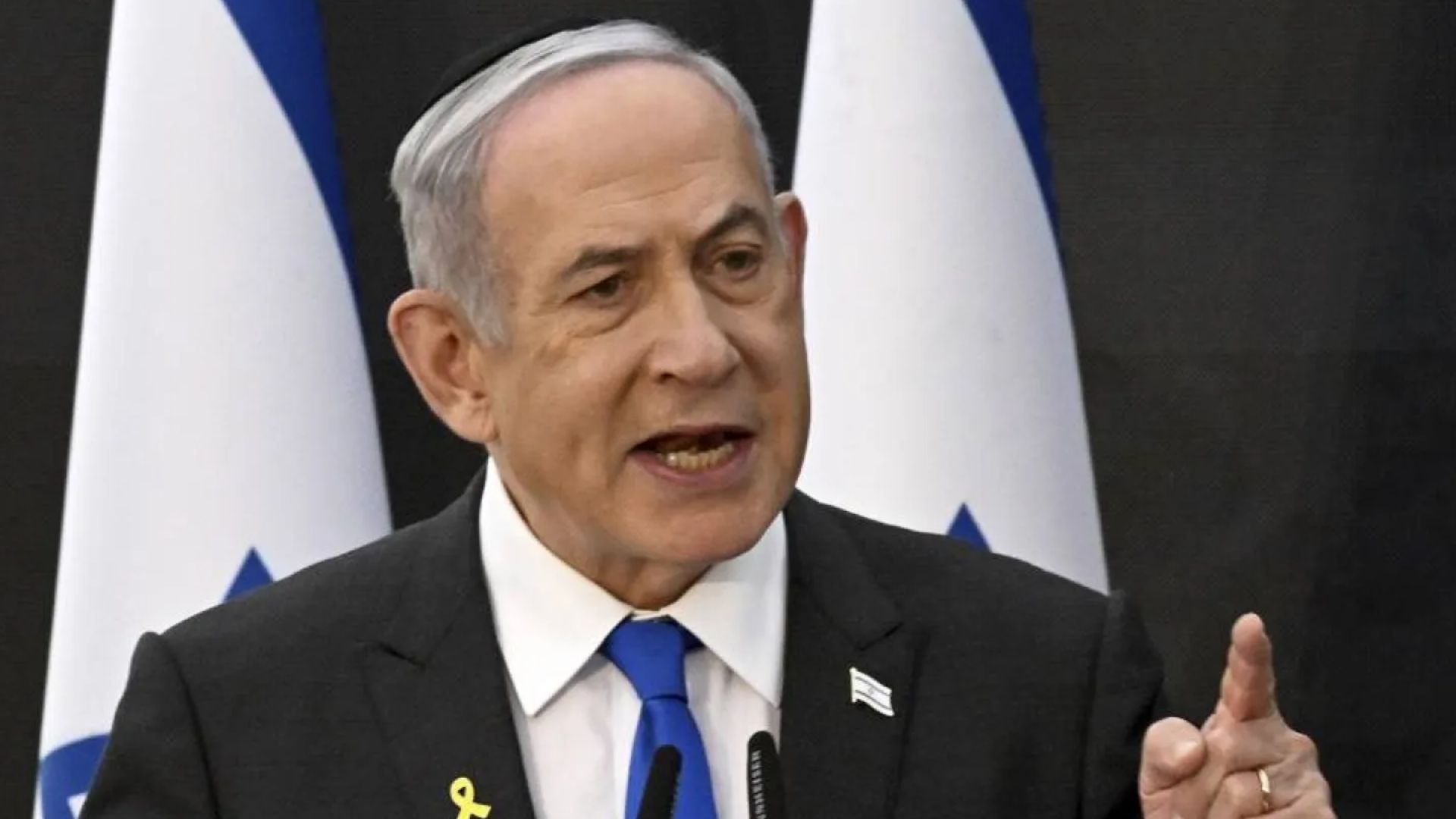

Israeli Prime Minister Benjamin Netanyahu is continuing efforts to influence the final outcome of the US-Iran agreement, even after US President Donald Trump signed a memorandum of understanding (MoU) with Tehran and launched a 60-day negotiation process.
According to reports, Netanyahu remains deeply skeptical of Iran's intentions. He believes Tehran is unlikely to accept meaningful restrictions on its nuclear programme. For decades, the Israeli leader has repeatedly warned that Iran was nearing the capability to develop a nuclear weapon, despite past assessments from US intelligence agencies and the International Atomic Energy Agency that challenged those claims.
Netanyahu Turns to Conservative Allies in Washington
As negotiations move forward, Netanyahu is reportedly trying to influence opinion in Washington through conservative media personalities and pro-Israel lawmakers. Among those voicing concerns is commentator and podcaster Mark Levin, who criticized the agreement and argued that it “doesn’t make any sense.” He also described the reconstruction package included in the deal as a “slush fund.”
Netanyahu is also expected to seek support from senators and lawmakers who have traditionally backed Israel's security positions. However, winning support may be more difficult than in the past.
Several Republican lawmakers who previously favored military action against Iran have recently welcomed the agreement. Senator Lindsey Graham, long regarded as one of Washington's strongest advocates of a tough approach toward Tehran, said this week that the agreement with Iran “will be beneficial to the United States.”
Lebanon Provisions Become Major Point of Dispute
One of the most debated sections of the 14-point memorandum concerns Lebanon. The agreement calls for the “immediate and permanent termination of military operations on all fronts, including in Lebanon.” It also states that all parties are committed to respecting Lebanon's sovereignty and territorial integrity.
However, several key details remain unclear. Israel is not a signatory to the agreement, which was negotiated between the United States and Iran. As a result, questions remain about how any ceasefire in Lebanon would be enforced and whether Iran would be required to stop supporting Hezbollah. The memorandum also does not explain how Iran's wider network of regional allies and proxy groups would be affected by the agreement.
Israel Says It Is Not Bound by the US-Iran Agreement
According to reports, Netanyahu informed Trump that Israel does not consider itself bound by the US-Iran deal. Although Israel has reportedly scaled back some military activity in Lebanon following pressure from Washington, Netanyahu continues to insist that Israeli security concerns remain the top priority.
After Trump announced the agreement earlier this week, Netanyahu stressed that threats to Israel still existed from Iran and its regional allies. “We established deep security zones around the State of Israel. We did this in Gaza, in Lebanon, and in Syria,” he said.
Israeli Defence Minister Israel Katz reinforced that position, stating: “Prime Minister Benjamin Netanyahu and I are pursuing a clear policy under which the [military] will remain in the security zones in Lebanon, Syria and Gaza for an unlimited period of time in order to protect the border and Israeli communities from there against jihadist elements.”
Israeli Strikes Continue in Southern Lebanon
Despite the signing of the agreement, military operations continued on the ground. According to local media reports, Israeli missile and drone strikes targeted southern Lebanon on Thursday, one day after the accord was signed. Lebanon's National News Agency reported that three people were killed in the attacks, highlighting the challenges facing efforts to reduce tensions in the region.
Questions Remain Over Future of the Agreement
While the US-Iran agreement has been presented as a major diplomatic breakthrough, uncertainty remains over how its provisions will be implemented and whether all regional actors will support its goals. Netanyahu's continued opposition to parts of the agreement, particularly those relating to Lebanon, suggests that disagreements over regional security and Iran's influence are likely to remain central issues throughout the 60-day negotiation period.
As talks continue, attention will focus on whether Washington can secure broad regional support for the agreement and whether the deal can translate into lasting stability across the Middle East.