
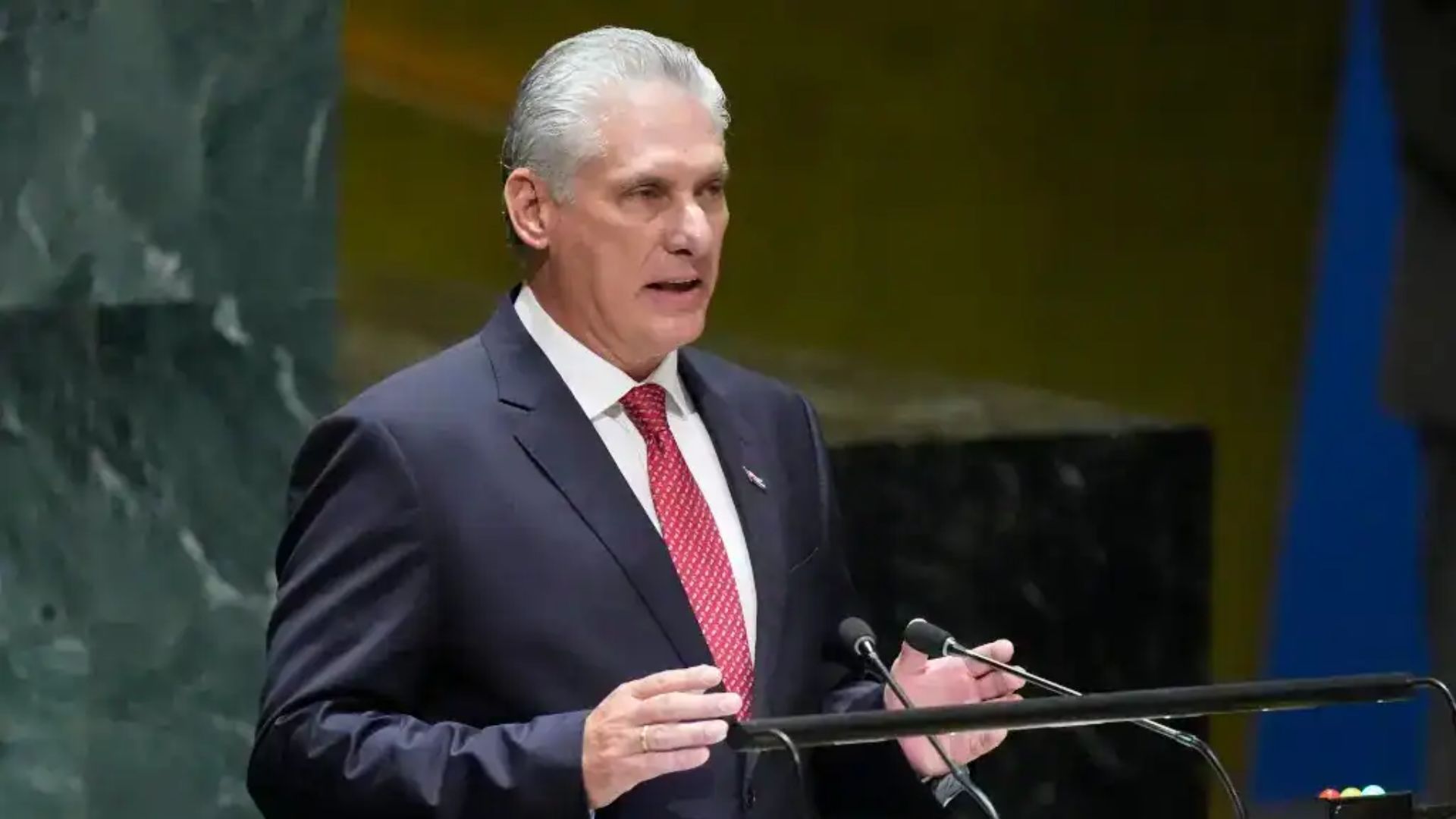

Cuban President Miguel Díaz-Canel has called for urgent economic reforms as the country faces one of its most serious economic crises in recent years. Speaking to senior leaders of Cuba's Communist Party, Díaz-Canel said the worsening situation requires immediate action and significant changes to the country's economic system. According to reports, his remarks represent one of the clearest acknowledgments yet that Cuba needs to overhaul its economic model to address growing hardships faced by ordinary citizens.
Díaz-Canel Admits Major Changes Are Needed
During a high-level meeting of the Communist Party's Politburo, Díaz-Canel openly stated that “the situation calls for urgent and necessary changes.” He emphasized that the government could no longer delay reforms as economic conditions continue to deteriorate across the country.
The Cuban leader pointed to the experiences of China and Vietnam as examples of how socialist countries can introduce market-oriented reforms while preserving their political systems. According to Díaz-Canel, Cuba should seek to “create economic wealth and distribute it equally,” combining economic growth with social equality.
Government Pushes to Expand Private Sector
The comments came during discussions focused on speeding up reforms aimed at strengthening Cuba's struggling private sector. Authorities believe expanding private enterprise could help increase production, create jobs, and reduce shortages that have affected daily life across the island. Díaz-Canel acknowledged that some proposed reforms may not receive “absolute consensus,” but argued that the government can no longer postpone difficult decisions. “When people’s lives become this hard,” he said, leaders have a duty to “change what needs to be changed” rather than continue offering explanations for the country's problems.
Economic Hardships Continue to Affect Daily Life
Cuba has faced growing economic difficulties in recent years. Residents across the country have dealt with frequent power cuts, fuel shortages, limited food supplies, shortages of medicines, and difficulties accessing clean water. The government has linked these problems to both domestic challenges and external pressures, including US sanctions and restrictions affecting energy imports. These issues have significantly reduced living standards and increased pressure on the government to find solutions.
President Acknowledges Internal Economic Problems
While Cuban leaders have traditionally blamed many of the country's economic struggles on the long-standing US trade embargo, Díaz-Canel also admitted that internal weaknesses have contributed to the crisis. He cited “slowness, bureaucracy and norms that impede those who want to produce” as major obstacles to economic growth.
The president also acknowledged that delayed policy decisions and administrative inefficiencies have worsened the country's economic difficulties. His comments suggest a growing recognition within the government that domestic reforms are necessary alongside efforts to address external pressures.
Raúl Castro Backs Reform Plans
The proposed reforms have reportedly received support from former Cuban President Raúl Castro. According to reports, Castro described the planned measures as “the most beneficial to the revolution at this time.” His backing is significant because it signals rare unity among Cuba's top leadership regarding the need for economic change.
Uncertainty Remains Over Future Impact
Although the government appears committed to reform, questions remain about whether the planned measures will be enough to revive the economy. It is also unclear whether the changes will reduce external pressure from the United States or satisfy policymakers in Washington, where officials continue to push for broader economic and political reforms in Cuba.
For now, Díaz-Canel's remarks reflect increasing urgency within Cuba's leadership as it seeks ways to improve production, support private businesses, and ease the hardships facing millions of Cubans. The coming months are likely to determine whether these reforms can help stabilize the economy and improve living conditions across the country.