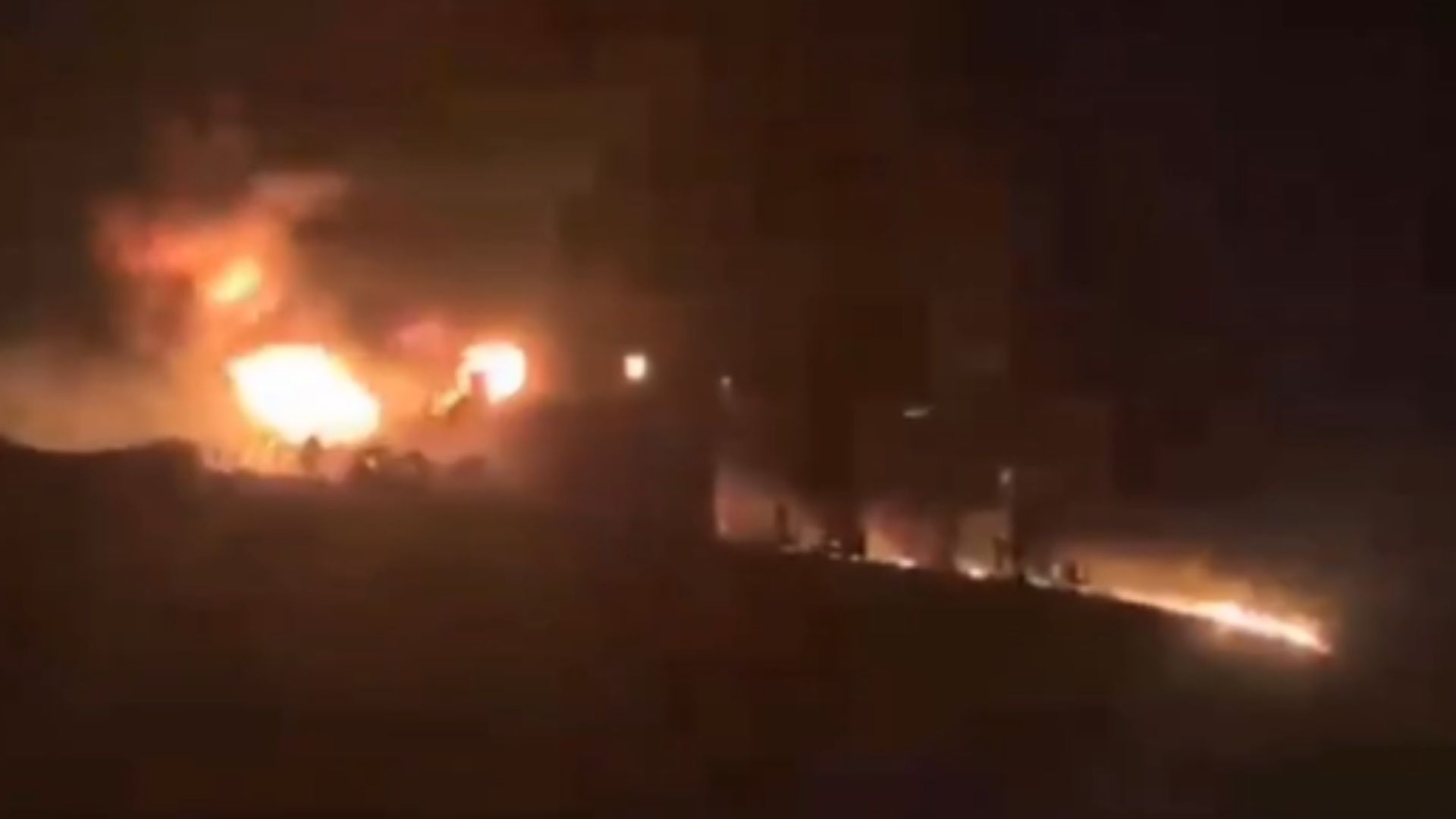
A supertanker carrying more than 2 million barrels of crude oil exploded and caught fire after striking a naval mine while travelling through the Strait of Hormuz, Iran’s
Islamic Revolutionary Guard Corps (IRGC) said on Saturday.
According to Iran’s state-owned Press TV, the IRGC claimed that the vessel was attempting to cross the strategically important waterway illegally by using a route "not authorised by Tehran". In a statement, the IRGC alleged that the tanker had deliberately switched off its positioning and radar systems to avoid detection and mislead Iranian maritime authorities.
The Iranian force also warned other vessels against attempting to pass through the strait. It maintained that the waterway remained closed under Iran’s sovereign decisions and maritime regulations.
"The Strait of Hormuz is closed, and the consequence of defying Iranian regulations in the Strait of Hormuz is burning in the fire of trust in the terrorist US army," it said.
Iran Tightens Control Over the Strait of Hormuz
Security incidents around the Strait of Hormuz have increased in recent weeks. Iran has also stepped up its attacks in response to the US blockade of Iranian ports and tighter sanctions imposed last month.
The growing threats to commercial vessels in and around the waterway have raised concerns about maritime security and the stability of global energy supplies. Before the war, the Strait of Hormuz carried around one-fifth of the world's oil and liquefied natural gas trade, making it one of the most important shipping routes for global energy markets.
Tehran has sought to strengthen its control over the strait since the United States and Israel launched strikes against Iran on February 28. By restricting maritime traffic, Iran has attempted to increase pressure on Washington and gain leverage in the ongoing confrontation.
Two senior Iranian officials told Reuters that Tehran was increasingly adopting new tactics against ships passing through the waterway. They said Iran was seeking to keep oil prices elevated and influence the US midterm elections.
Although tankers have been the main targets in the confrontation between Iran and the United States, other commercial vessels have also faced attacks. Cargo ships and container vessels have reportedly been attacked, disabled or sunk.
Multiple Shipping Routes Face Growing Security Threats
Iran and the United States have exchanged proposals through intermediaries since a temporary ceasefire reached in June collapsed. However, efforts to restore normal shipping through the Strait of Hormuz have made little progress.
Tehran has set conditions for reopening the waterway, while Washington has insisted that negotiations over Iran’s nuclear programme must begin from the outset.
The crisis is also unfolding alongside rising security threats in other major maritime corridors. In the Black Sea, attacks on cargo vessels have added to concerns about the safety of commercial shipping. Meanwhile, an offensive by Iran-backed Houthi militants along a key Red Sea shipping route has created further risks for international trade.
The growing threats across these strategic waterways have increased concerns about global maritime security, disrupted shipping operations and the potential impact on energy supplies and international trade.