
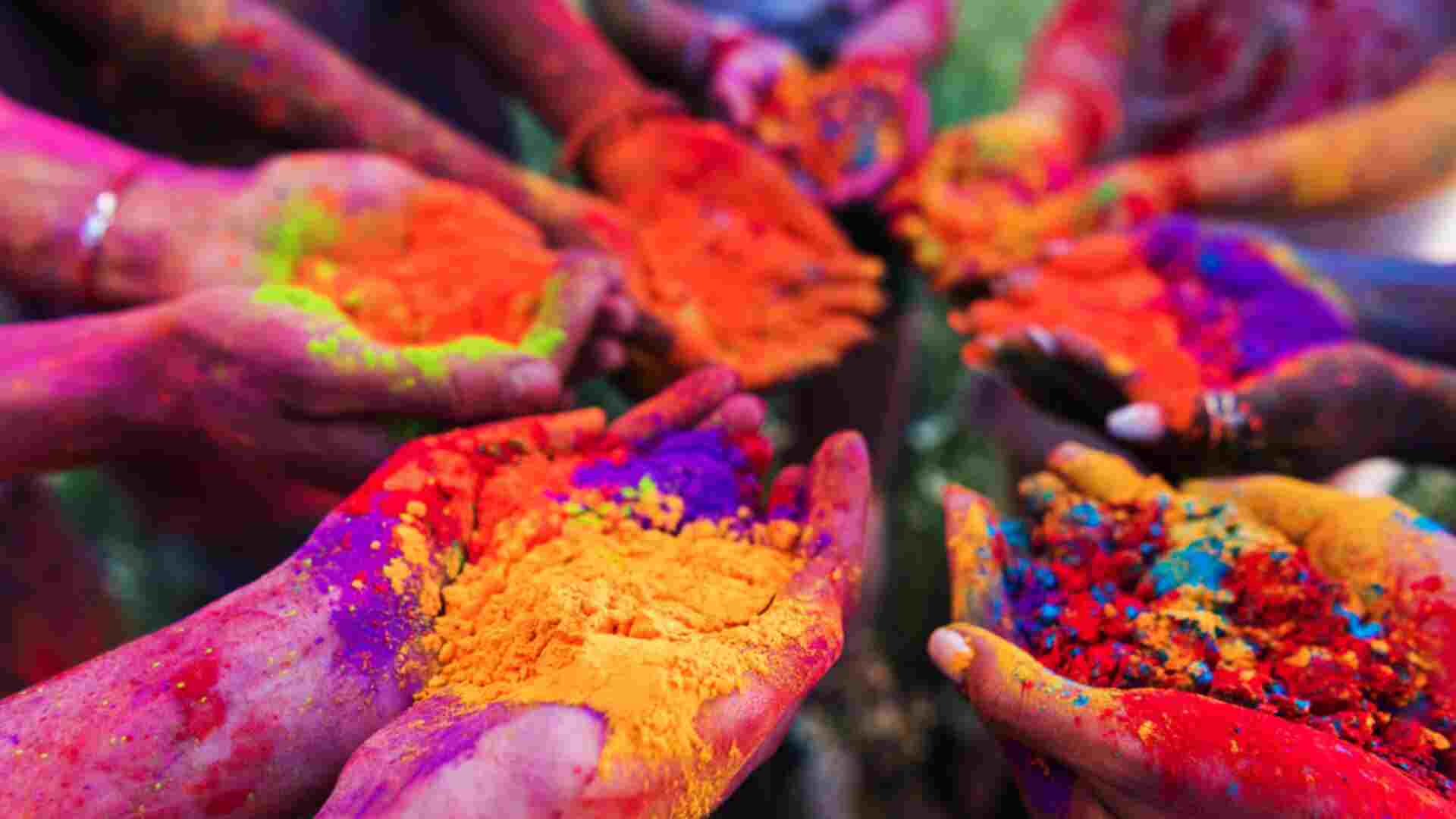

Holi, also known as the Festival of Colors, is one of India’s most vibrant and joyful celebrations. Observed on the full moon day in the Hindu month of Phalguna (March), it marks the arrival of spring and symbolizes the triumph of good over evil. This festival brings people together, filling the air with bright colors, music, laughter, and a spirit of unity.
The Significance of Holi
Holi has deep cultural and mythological roots. One of the most famous legends behind the festival is the story of Prahlad and Holika. According to Hindu mythology, Prahlad was a devoted follower of Lord Vishnu. His father, the demon king Hiranyakashipu, wanted to punish him for his devotion. He ordered his sister, Holika, to take Prahlad into a fire, believing she would remain unharmed due to a magical shawl. However, due to divine intervention, Holika burned, while Prahlad remained safe. This event symbolizes the victory of good over evil and is commemorated with the Holika Dahan, a bonfire lit on the eve of Holi.
How Holi is Celebrated
Holi is celebrated with enthusiasm across India and in many other parts of the world. The festival unfolds in two parts:
1. Holika Dahan (Chhoti Holi)
The night before Holi, people gather around bonfires to perform rituals, symbolizing the burning away of negativity and evil. They pray for prosperity and happiness, marking the beginning of the celebrations.
2. Rangwali Holi (Color Play)
The next day is all about fun and colors. People throw vibrant gulal (colored powder) and splash water on each other. Streets turn into a colorful spectacle as friends, families, and even strangers join in the celebration. Traditional sweets like gujiya and malpua are enjoyed, while people dance to folk and Bollywood music. The festival also includes bhang (a drink made from cannabis leaves) in some regions, adding to the revelry.
Regional Variations of Holi
Different states in India celebrate Holi in unique ways:
- Lathmar Holi (Barsana, Uttar Pradesh): Women playfully hit men with sticks, recreating a legendary episode from Lord Krishna’s life.
- Dol Jatra (West Bengal): Devotees carry idols of Lord Krishna and Radha while smearing each other with colors.
- Royal Holi (Rajasthan): The festival is celebrated with grand processions and folk performances in places like Udaipur and Jaipur.
- Shigmo (Goa): A mix of colors, folk dances, and cultural parades make this Holi unique in Goa.
Holi Beyond India
Holi is no longer just an Indian festival. It is celebrated worldwide, especially in Nepal, the USA, the UK, Canada, and Australia. People from different cultures embrace the spirit of Holi, making it a global festival of joy and unity.
The Message of Holi
Holi is more than just playing with colors; it signifies love, forgiveness, and new beginnings. It brings people closer, erasing differences of caste, creed, and status. The festival encourages happiness, togetherness, and hope for a better future.
Holi is a celebration of life itself. Whether through colors, dance, music, or delicious sweets, it spreads joy and positivity. As the festival approaches, people eagerly await the chance to immerse themselves in its cheerful spirit. Holi truly embodies the essence of unity, love, and the beauty of Indian culture.
Happy Holi to all from JUSZNEWS Team!