

NASA astronauts Sunita Williams and Butch Wilmore are finally returning to Earth after an extended nine-month mission aboard the International Space Station (ISS). Originally scheduled for an eight-day mission, their stay stretched far beyond expectations due to technical issues with the Boeing Starliner spacecraft.
The @SpaceX Dragon spacecraft carrying four #Crew9 members undocked from the station at 1:05am ET today and is headed for a splashdown off the coast of Florida in the Gulf of America at 5:57pm. More... https://t.co/eISgbf1ngL pic.twitter.com/kHSzIlrZhP
— International Space Station (@Space_Station) March 18, 2025
Unexpected Mission Extension
Williams and Wilmore launched to the ISS in June 2024 aboard Boeing’s Starliner for a test flight. However, their return was delayed after engineers discovered problems with the capsule’s propulsion system. Due to safety concerns, NASA decided to send the Starliner back to Earth without a crew, leaving Williams and Wilmore stranded in space.NASA and SpaceX Coordinate Return
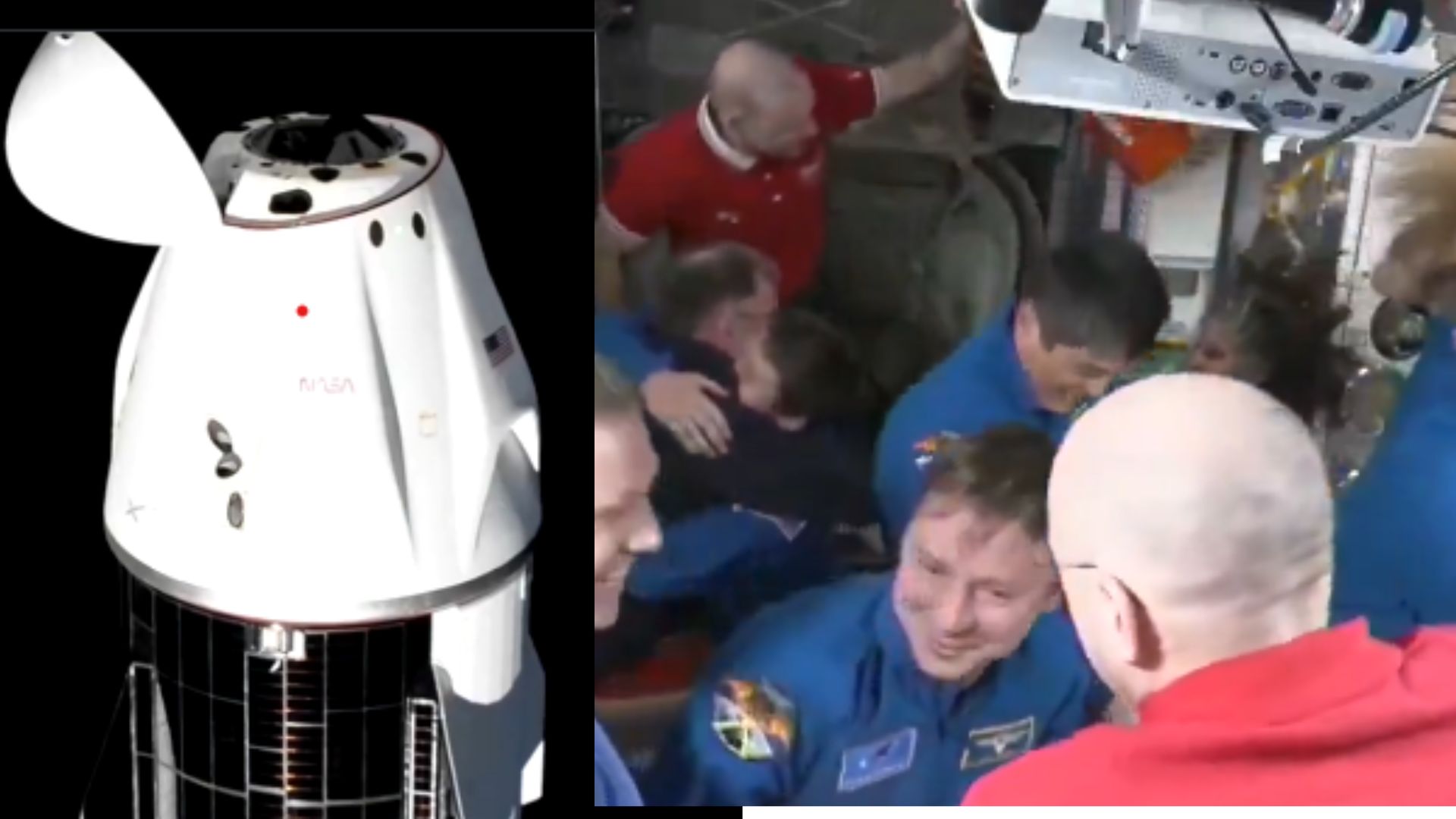
To bring them home, NASA collaborated with SpaceX. The Crew-10 mission, using SpaceX’s Crew Dragon spacecraft, arrived at the ISS on March 15, 2025. With the replacement crew in place, Williams and Wilmore could finally prepare for their journey back to Earth. The SpaceX Dragon spacecraft’s hatch opened on March 16 at 1:35 a.m. ET, marking a successful arrival at the International Space Station (ISS). Crew-10 members eagerly entered the station, where they were warmly welcomed by the Expedition 72 crew. The moment was filled with excitement as the astronauts embraced their colleagues, signaling the start of their mission aboard the ISS. This arrival strengthens international cooperation in space exploration and advances scientific research in microgravity.Early Tuesday, March 18, at 1:05 a.m. ET, the Crew Dragon carrying Williams, Wilmore, NASA astronaut Nick Hague, and Russian cosmonaut Aleksandr Gorbunov undocked from the ISS. They are expected to splash down in the Gulf of Mexico at approximately 5:57 p.m. ET, depending on weather conditions.All the hugs. 🫶
— NASA's Johnson Space Center (@NASA_Johnson) March 16, 2025
The hatch of the SpaceX Dragon spacecraft opened March 16 at 1:35 a.m. ET and the members of Crew-10 entered the @Space_Station with the rest of their excited Expedition 72 crew. pic.twitter.com/mnUddqPqfr