
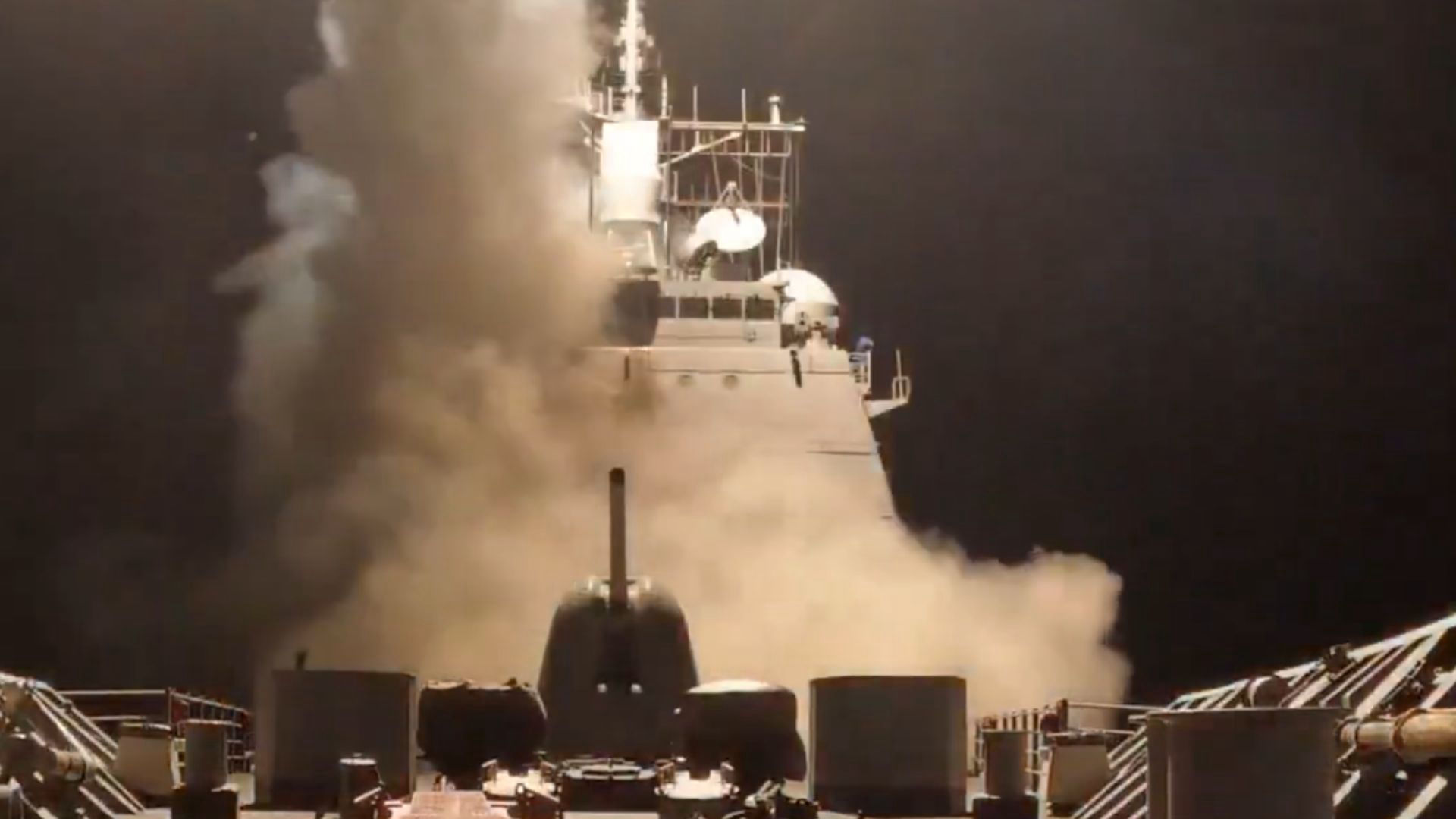

The United States launched airstrikes against Yemen’s Huthi rebels, marking the first attack under President Donald Trump. As a result, at least 21 people died. Meanwhile, Washington warned Iran to stop supporting the group.
Civilians Among the Dead
According to the Huthis, the strikes caused heavy civilian casualties. Specifically, their health ministry reported nine deaths and nine serious injuries in Sanaa. In addition, a strike in Saada killed at least 10 more people. Another attack in Alshaaf district left two dead.
Moreover, an AFP photographer in Sanaa witnessed three explosions and smoke rising from residential areas. Similarly, multiple reports confirmed strikes across northern Yemen.
US Calls Strikes ‘Precision Attacks’
In response, the US Central Command (CENTCOM) released images of fighter jets and a destroyed compound. It described the strikes as “precision attacks” meant to protect American interests and restore safe trade in the Red Sea.
However, Britain has not commented on the attacks yet.
CENTCOM operations against Iran-backed Houthis continue...
— Alma Gentil (@Chinoy200096633) March 15, 2025
sgt pic.twitter.com/2FvLh1fi09
Trump Threatens More Force
Meanwhile, President Trump defended the strikes. He warned that the US would use “overwhelming lethal force” until the Huthis stopped attacking Red Sea shipping.
Huthis Promise Retaliation
On the other hand, the Huthis vowed to respond. “Our Yemeni armed forces are fully prepared to confront escalation with escalation,” their leaders declared on Al-Masirah TV. They also condemned the US attacks as “criminal brutality.”
At the same time, Trump directly warned Iran to stop supporting the rebels. The Huthis, closely aligned with Tehran, have controlled large parts of Yemen for over a decade.
Huthi Attacks Disrupt Global Trade
Consequently, the Huthis have launched frequent missile and drone attacks on Red Sea ships, especially during the Gaza war. They claim to act in solidarity with Palestinians. As a result, their actions have forced many shipping companies to reroute around Africa’s southern tip. Notably, the Red Sea carries about 12% of global shipping traffic.
Hamas Condemns US Strikes
Meanwhile, Hamas strongly criticized the US airstrikes, calling them “a violation of international law.” The Palestinian group, which supports the Huthis' stance against Israel, described the attacks as an assault on Yemen’s sovereignty.
US Warns of More Strikes
Previously, the US launched similar strikes on Huthi positions, sometimes with British support. However, after halting their attacks in January during a temporary Gaza ceasefire, the Huthis resumed them last week. They insist they will continue until Israel lifts its blockade on Palestinian aid.
Reacting to the renewed aggression, Trump issued a stern warning: “To all Huthi terrorists, YOUR TIME IS UP, AND YOUR ATTACKS MUST STOP, STARTING TODAY. IF THEY DON’T, HELL WILL RAIN DOWN UPON YOU LIKE NOTHING YOU HAVE EVER SEEN BEFORE!”
Furthermore, he warned them not to threaten the US or disrupt global trade.
US Declares Huthis a Terrorist Group
Earlier this month, the US officially labeled the Huthis a “foreign terrorist organization.” As a result, any US interaction with the group is now banned. Additionally, Secretary of State Marco Rubio informed Russia that the US would not tolerate further Huthi attacks on international shipping.
Yemen’s Longstanding Conflict Continues
Historically, the Huthis seized Yemen’s capital, Sanaa, in 2014. They nearly took control of the entire country before a Saudi-led coalition intervened. Although a ceasefire in 2022 temporarily reduced hostilities, peace talks have since stalled.
According to Pentagon spokesperson Sean Parnell, the Huthis have attacked US warships 174 times and commercial ships 145 times since 2023. As tensions escalate, further military action appears likely. Ultimately, Yemen remains a key battleground in the ongoing US-Iran conflict.