
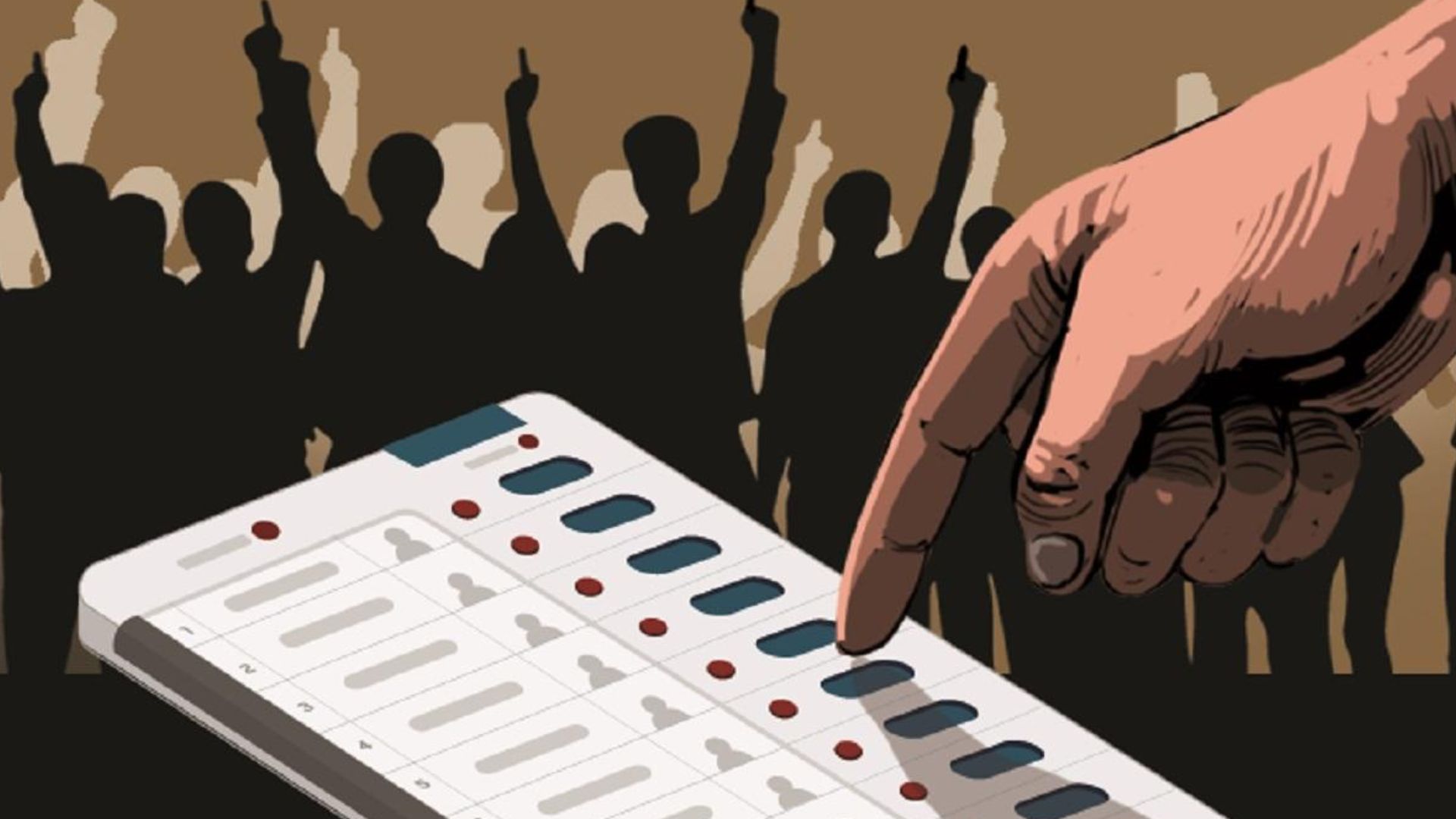

The 23rd Law Commission told the Joint Parliamentary Committee (JPC) that Parliament can change the five-year terms of the Lok Sabha and state assemblies through a constitutional amendment. The JPC is currently examining the Bills that push for simultaneous elections.
Five-Year Term Is Not Permanent
Before its December 4 briefing, the Commission submitted a detailed note. It clarified that Articles 83 and 172 do not create a fixed or untouchable duration.
It wrote, “In our constitutional scheme, though the Parliament cannot, by ordinary legislation, reduce the term of Lok Sabha or State Assemblies because this duration is expressly entrenched in Articles 83 and 172, it would be incorrect to assume that the terms as provided in the Constitution cannot be altered, to meet a larger objective of public welfare."
The note added, “The Law Commission is clearly of the opinion that Parliament can certainly do so by way of a constitutional amendment. This is what is proposed by the bill in question."
Constitution Already Provides Flexibility
Next, the Commission pointed to existing constitutional tools. It explained that the Constitution already allows early dissolution and term extensions during emergencies.
It highlighted, “the Constitution itself provides flexibility in the matters of term of House by allowing premature dissolution as well as extension during emergencies, which shows that the five-year term is not an unalterable feature."
Simultaneous Elections Support National Interest
The Commission then argued that synchronised polls will strengthen national efficiency. It said that altering or shortening current terms would serve a larger public goal.
It told the JPC, “One of the objects of simultaneous election by curtailment of the full term of five years is to provide maximum satisfaction of greater national interest with minimum waste or friction of the government accountability."
Commission Rejects Claims of Democratic Weakening
The Commission also countered criticism of the proposal. It rejected the idea that ‘One Nation, One Election’ harms democracy.
It clarified, “Far from undermining democracy, the proposed Bill aims to strengthen it by ensuring stability, reducing the constant drain of elections, and allowing governments to focus on governance."
Moreover, it assured that citizens will still exercise full voting rights. It stated, “The proposed Bill does not take away the people’s right to periodic, free and fair elections, it only seeks to synchronise their timing. Since the matter of making a democratic choice is fully preserved, the proposed Bill does not violate the basic structure of the Constitution."
Amendment Does Not Require State Ratification
The Commission also addressed whether states must approve the amendment. It said state approval is not necessary.
It stated, “The proposed amendment is not falling within the proviso to Article 368(2) of the Constitution and does not require state ratification."
Election Commission Will Not Gain Excessive Powers
Then, the Commission dismissed concerns about expanding the Election Commission’s authority.
It explained, “The powers proposed to be given to the Election Commission of India for the purpose of simultaneous election in the proposed amendment are a natural extension of its extant powers, and there is no question of any excessive delegation to it."
Plan Will Reduce Costs and Disruption
The Commission defended the purpose of the reform. It said synchronised polls will reduce repeated spending and avoid frequent governance interruptions.
It emphasised, “What the proposed amendments seek to do is essentially to synchronise the elections, so that the country as a whole goes to election at one point of time in a cycle of five years and is saved from repeatedly spending its time, money and energy over elections."
Basic Structure Concerns Lack Merit
Finally, the Commission dismissed fears about violating the Constitution’s basic structure. It said these arguments lack evidence.
It noted that while “free and fair elections" form part of the basic structure, “the assertion that the definition of midterm elections limits the plenary powers of the electorate and is thus against the doctrine of basic structure, is not substantiated."
Submission Will Influence JPC’s Final Report
The Commission’s detailed submission will now play a major role as the JPC prepares its final recommendations on simultaneous elections.