
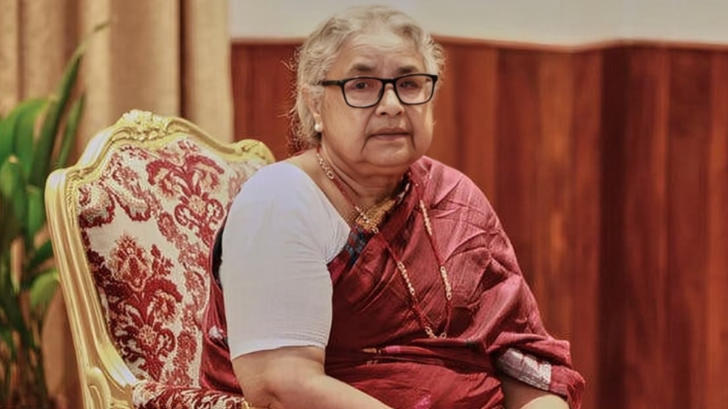

Sushila Karki officially took charge as Nepal’s interim prime minister on Saturday. Her appointment followed weeks of intense Gen Z–led protests that forced KP Sharma Oli to resign. These demonstrations erupted over corruption, unemployment, and a controversial social media ban.
Oli Steps Down Amid Deadly Protests
Initially, the protests began peacefully on September 8. However, they quickly turned violent as demonstrators stormed government offices and clashed with security forces. As a result, at least 72 people were killed and 191 others were injured within just two days.
Earlier, officials had reported 51 deaths but later revised the toll. Moreover, authorities described the unrest as the worst since Nepal’s civil war ended and the monarchy was abolished in 2008.
Consequently, Oli was left with no option but to step down. Following his resignation, Army Chief General Ashok Raj Sigdel and President Ram Chandra Paudel held tough negotiations with youth activists to restore order.
Karki Sworn In, Pledges Bold Reforms
On Friday night, Karki, 73, a former chief justice, took the oath at Sheetal Niwas. Significantly, she became Nepal’s first female prime minister.
Soon after assuming office, Karki announced decisive steps to heal the nation. First, she declared that those killed in the protests would be honored as martyrs. Furthermore, she promised Rs 10 lakh in compensation to their families.
“We have to work according to the thinking of the Gen Z generation. What this group is demanding is an end to corruption, good governance and economic equality,” Karki said in her first public address.
Additionally, she pledged that her government would only stay in power for six months. “We won’t stay for more than six months. We will hand over the responsibility to the new parliament." she added.
She also added, "We won’t succeed without your support.”
Protesters Back Karki’s Rise
Importantly, young protesters had pushed for Karki’s leadership from the beginning. Many coordinated their actions through the Discord app and named her as their preferred leader.
However, Karki revealed she had not sought the position. “The situation that I have come in, I have not wished to come here. My name was brought from the streets,” she said.
Meanwhile, President Paudel praised her appointment, calling it “a peaceful solution found through a difficult process.”
Parliament Dissolved, Elections Scheduled
Soon after Karki took office, parliament was dissolved. Subsequently, officials announced fresh elections for March 5, 2026.
In a national address, Karki reiterated her commitment to step down on time. “We will not stay here more than six months in any situation. We will complete our responsibilities and pledge to hand over to the next parliament and ministers,” she declared.
Security Concerns Persist
Despite the change in leadership, Nepal still faces serious challenges. During the unrest, more than 12,500 prisoners escaped and remain at large. Although soldiers began withdrawing from the streets over the weekend, the overall security situation remains tense.
At the same time, ordinary citizens expressed cautious optimism. “This government’s list of responsibilities and issues to address isn’t easy,” said Satya Narayan, a 69-year-old shopkeeper near Kathmandu. “It also needs to ensure unity and harmony in the country by taking all sections along.”
Global Leaders Welcome Transition
Meanwhile, world leaders reacted positively to Karki’s appointment. Indian Prime Minister Narendra Modi said India fully supported “peace, progress and prosperity” in Nepal.
In addition, China’s foreign ministry promised to “push China-Nepal relations steadily forward.” Likewise, the Dalai Lama sent his blessings, expressing hope that Karki would “fulfil the hopes and aspirations of the people of Nepal in these challenging times.”
Honoring the Victims
On Sunday, Karki began her first day in office at Singha Durbar, the government complex where several buildings were set ablaze during the protests.
Before starting her meetings, she observed a minute’s silence to honor those who lost their lives.
Finally, Karki called the 27-hour protest unprecedented and said the demands for equality and accountability were justified. She also vowed to investigate the vandalism during the unrest.
“My team and I are not here to taste power,” she emphasized, signaling her focus on reforms and restoring unity in Nepal.