
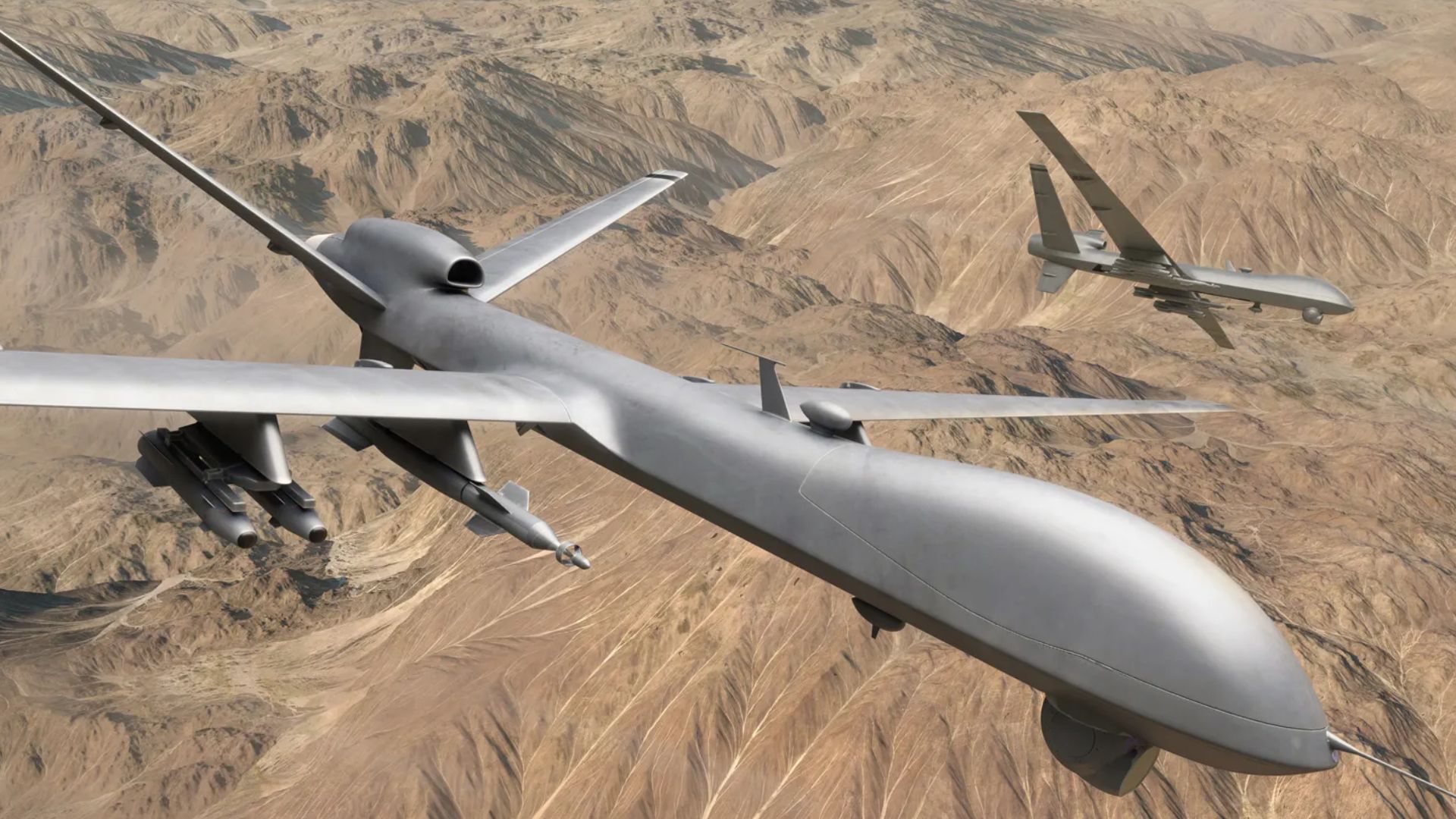

In a rare admission, Pakistan has reportedly confirmed that it has a deal with a foreign country allowing drone strikes inside Afghanistan. Officials said they cannot stop these attacks because the agreement is binding.
According to Reuters, the latest high-level talks in Istanbul between Pakistan and Afghanistan ended without any breakthrough.
Afghanistan’s TOLO News, citing an insider, reported that Pakistan told Kabul about the arrangement that permits a third country to conduct drone operations from Pakistani soil. However, Islamabad did not reveal the country’s name.
Talks Stall Despite Ceasefire
Peace talks between both nations in Turkey have hit a deadlock, even though a fragile ceasefire remains in place. The truce followed deadly border clashes in September and October, which left hundreds dead.
The TOLO News report said Pakistan admitted for the first time that it has “an agreement with a foreign country allowing drone strikes” and claimed it “cannot prevent them as breaking the agreement is not possible.”
The report also stated that Pakistan’s team appeared disorganised and tried to distance itself from Afghanistan.
“At one point, they even asked the Afghan side to recognise Pakistan’s right to strike Afghan territory in response to TTP attacks,” TOLO News quoted the source as saying.
Violence Along the Afghan Border
The tensions come after one of the deadliest border flare-ups in years. Both countries blamed each other for starting the clashes. Violence intensified after two explosions hit Kabul last week.
Although Islamabad denied any role, the blasts followed Pakistani leaders’ warnings of “big action” against those harbouring Pakistani Taliban (TTP) militants — a group Pakistan once supported.
In response, the Taliban launched offensives along the southern border, killing several Pakistani soldiers. Pakistan then threatened retaliation, which led to civilian casualties in Afghanistan.
Saudi Arabia Steps In as Mediator
Saudi Arabia helped broker a temporary ceasefire and pushed both sides to continue peace talks. However, the Istanbul meeting ended without any progress.
Sources told TOLO News that Pakistan’s delegation was unprepared and failed to present any clear strategy. They also said Islamabad backed away from earlier promises made during previous discussions.
Pakistan Strengthens Ties with the US and Saudi Arabia
The diplomatic standoff follows Pakistan’s recent efforts to strengthen alliances with Saudi Arabia and the United States.
In September, Pakistan signed a Strategic Mutual Defence Agreement with Riyadh to boost joint defence and economic ties. Around the same time, Islamabad renewed its partnership with Washington under President Donald Trump.
Prime Minister Shehbaz Sharif and Army Chief Asim Munir met Trump at the Oval Office, signalling closer cooperation. During the meeting, Trump demanded that the Taliban return the Bagram airbase to US control, warning of “bad consequences” if they refused.
Sharif, in turn, praised Trump’s “leadership,” calling his role in the India-Pakistan ceasefire “historic.” He even nominated Trump for the Nobel Peace Prize.
Deadly Clashes Preceded the Talks
The Istanbul dialogue followed weeks of intense fighting that began in early September after a rise in TTP attacks on Pakistani troops.
Pakistan claimed it launched precision airstrikes inside Afghanistan, targeting TTP hideouts in Kabul and Kandahar. These strikes, along with drone bombings, left over 200 people dead on both sides, including Afghan civilians, women, and children.
Islamabad maintained it only targeted TTP commanders. In retaliation, Afghan forces shelled Pakistani border posts along the Durand Line, killing at least 23 soldiers and injuring hundreds.
Fierce clashes broke out in Spin Boldak and Kurram before a Saudi- and US-brokered ceasefire took effect on October 15.
Although the truce still holds, both countries continue to accuse each other of violating it.
In short, Pakistan’s admission marks a rare acknowledgment of its involvement in foreign-led drone operations. The stalled talks and continued mistrust signal deepening rifts between Islamabad and Kabul, even as allies like the US and Saudi Arabia attempt to maintain peace.