
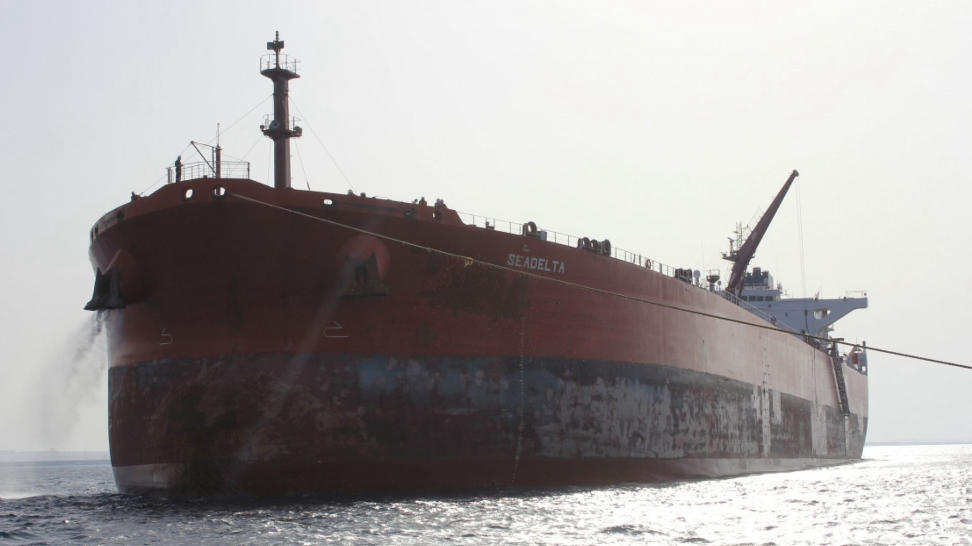

In a major development across global waters, several oil tankers linked to the so-called “dark fleet” are moving away from foreign flags and registering under Russia. Maritime experts see this as an attempt to secure protection as the United States and its allies increase action against ships accused of transporting sanctioned oil.
Surge in re-registration
The shift began to gain speed in December 2025. Many ship operators started changing their registration after fears grew over possible seizures by Western forces. These vessels are known for carrying oil from countries under sanctions, including Russia, Iran, and Venezuela.
According to data from Starboard Maritime Intelligence, at least 26 ships have switched to Russian registration since early December. Out of these, 18 moved in December alone. In comparison, only 15 vessels had changed flags in the five months before that. This shows how quickly the trend has grown.
Maritime analyst Mark Douglas highlighted the scale of the change. “The story is really a persistent, global reflagging of dark-fleet tankers,” he said. “It’s unlikely to stop at this number.”
Fear of seizure drives decision
Ship owners appear to be acting out of concern over stronger enforcement by the United States and its partners. The shift picked up pace after the US seized the supertanker Skipper off the coast of Venezuela. This incident raised alarm among operators who transport sanctioned oil.
Many believe that sailing under Russia’s flag could discourage Western forces from boarding or seizing their vessels. By doing so, they hope to gain some level of state protection.
Geopolitical tensions increase
In the past, most of these tankers used “flags of convenience” from countries like Panama or the Cook Islands. These registrations helped them avoid strict rules, but they offered little protection against US naval action.
Now, by flying the Russian flag, the issue becomes more sensitive. Any action against such ships could be seen as a direct challenge to a sovereign country.
Charlie Brown, a senior adviser at United Against Nuclear Iran, explained the risks. “This may offer a new potential solution for the illicit dark-fleet networks, but it also raises the stakes. It underscores that sanctions evasion is no longer just a maritime compliance problem, but a strategic challenge involving state protection and geopolitical risks,” he said.
A recent incident showed how serious the situation has become. During a chase by US forces, the crew of Bella 1, later renamed Marinera, painted a Russian flag on the hull to signal protection. Despite this step and reports of a Russian naval escort, the vessel was intercepted near Iceland.
Long-term risks for Russia
Experts warn that the move could create problems for Moscow in the future. Many of these tankers are old, poorly maintained, and often uninsured. If they cause accidents or oil spills, Russia could face responsibility as the flag state.
There is also concern about reputation. If more vessels involved in sanctions evasion start flying the Russian flag, the global shipping industry may begin to see that flag as a sign of illegal activity.
Over time, this could damage the credibility of Russia’s merchant fleet and invite closer scrutiny from international regulators.